
Trees
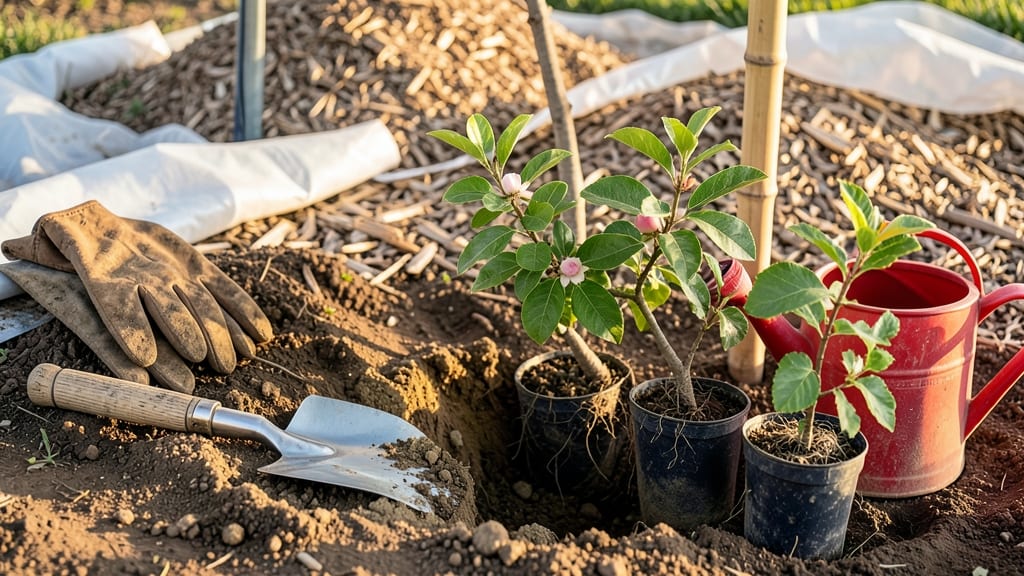
Timing your fruit trees planting in North Texas isn’t just about the calendar—it’s about dodging frost, beating the heat, and setting your trees up for a bountiful harvest.
With USDA Zones 7b-8a bringing unpredictable swings from winter freezes to scorching summers, one wrong move could mean lost roots or stunted growth.
I’ve seen firsthand how late winter to early spring (February-March) is the sweet spot for most varieties, but not all fruit trees follow the same rules. Peaches and plums, for example, need to be in the ground before buds swell—usually by March 15, just as the last frost looms.
Meanwhile, figs and citrus have more flexibility, letting you plant them a bit later or even in fall.
What if you miss the window? No worries—I’ll show you how to adjust for North Texas’ quirks, from soil prep to microclimate tricks that keep your 🍎 thriving.
Whether you’re a first-time gardener or a seasoned grower, these insights will help you avoid common pitfalls and get the most out of your orchard.
Ready to plant with confidence? Let’s break down the best months for each variety, plus pro tips to give your trees the head start they deserve in our unique climate.
Optimal planting months for fruit trees in North Texas by variety
North Texas spans USDA Zones 7b-8a, where late frosts in March and scorching summers demand precise planting timing. The best window for most fruit trees is late February through early April, but varieties like peaches and citrus need extra care to avoid frost damage.
Let’s break down the ideal months for each popular fruit tree in our region.
For bare-root trees, the dormant season (December-February) is critical—they must be planted before buds swell. Container-grown trees, however, offer flexibility and can be planted year-round, though early spring still gives them the best head start.
Below, I’ll cover the top fruit trees for North Texas and their perfect planting windows.
🌱 Visual Comparison: Use this table to match your fruit tree variety with the best planting month and key considerations for North Texas.
| Variety | Best Planting Month | Key Considerations | Notes for North Texas |
|---|---|---|---|
| Peach | Late February - Early March | Bare-root only; avoid bud swell | Frost-sensitive—wait until after last frost date (typically March 15). |
| Plum | Late February - Early April | Bare-root or container; tolerates cooler soil | Early bloomers—plant in cooler months to avoid late frosts. |
| Apple | Late February - Early March | Bare-root preferred; needs cross-pollination | Cold-hardy—can handle Zone 7b winters but needs well-draining soil. |
| Citrus (e.g., Meyer Lemon) | March - April | Container-grown only; avoid frost | Heat-loving—plant after April 15 to escape late frosts. Use mulch in winter. |
| Fig | March - Early May | Bare-root or container; drought-tolerant | Fast-growing—can handle late planting but needs full sun. |
| Pecan | Late February - Early March | Bare-root; deep roots needed | Native to Texas—thrives in clay soil but needs space (30+ ft). |
Peaches are the most frost-sensitive fruit tree in North Texas, so I always plant them in late February if I’m using bare-root trees. The goal is to get roots established before buds swell, which typically happens by mid-March.
For container-grown peaches, you can push planting to April, but they’ll need extra watering during our dry springs.
Plums, on the other hand, are a bit more forgiving. They can handle cooler soil temperatures, so I often plant them in early March. This gives them time to root before the heat of May sets in.
If you’re in the Hill Country, where nights stay cooler, you might even squeeze in a late February planting.
Citrus trees, like Meyer lemons, are a high-risk, high-reward choice for North Texas. They cannot tolerate frost, so I wait until after April 15 to plant them. If you’re in Dallas or Fort Worth, consider growing them in large containers that you can move indoors during winter.
A south-facing patio with afternoon shade works well.
Figs are the most flexible fruit tree for North Texas gardeners. They can be planted as late as early May, though they’ll need consistent watering during our 100°F+ summers. I’ve seen figs thrive even when planted in June, but they’ll take longer to bear fruit.
If you’re in a hot, dry microclimate, like West Texas, prioritize figs for their drought tolerance.
Pecan trees are a Texas native and a fantastic long-term investment. They need deep, well-draining soil and plenty of space, but once established, they’re low-maintenance. I
Optimal planting months for fruit trees in North Texas by variety
North Texas gardeners face a tricky balance when planting fruit trees—our USDA Zones 7b-8a bring sudden frost risks in spring and scorching summers that demand quick root establishment. The key? Planting at the right time for each variety to avoid both extremes.
For most stone fruits like peaches and plums, late winter to early spring (February-March) is critical, while citrus and figs offer more flexibility.
I’ve learned from years of testing that bare-root trees must hit the ground before buds swell—typically by March 15, just before the average last frost date.
Container-grown trees, however, give you more wiggle room, allowing planting through April or even into fall for varieties like figs that tolerate cooler soils. Let’s break down the best windows for your top fruit trees.
🌱 Best Planting Months for North Texas Fruit Trees
| Variety | Ideal Planting Window | Key Consideration | Notes |
|---|---|---|---|
| Peach | Late February - Mid March | Before buds swell | Bare-root only; avoid late planting |
| Plum | Late February - Early April | Dormant season | Container-grown can plant through April |
| Apple | Late February - March | Cool soil preferred | Dwarf varieties adapt better to heat |
| Citrus (Oranges, Lemons) | March - April OR Fall (Sept-Oct) | Avoid summer heat stress | Use frost protection if planting fall |
| Fig | March - May OR Fall (Sept-Oct) | Tolerates warmer soils | Best for container growing in urban areas |
| Pecan | Late Winter (Feb-March) | Deep taproot establishment | Native to Texas; thrives in heat |
Peaches and plums are the most time-sensitive—planting them too late means their roots won’t establish before summer’s heat sets in. I’ve seen peach trees planted in May wilt within weeks because their roots couldn’t keep up with the demand.
For these varieties, bare-root trees are your best bet, as they establish faster than container-grown ones.
Citrus and figs, on the other hand, are far more forgiving. Figs can even handle fall planting (September-October), giving their roots time to settle before winter. Citrus benefits from this timing too, avoiding the stress of summer heat.
If you’re in Dallas or Fort Worth, where urban heat islands can push temperatures higher, fall planting reduces transplant shock significantly.
One pro tip I’ve picked up from local nurseries: if you miss the ideal window, container-grown trees can be planted through May, but you’ll need to provide extra mulch and drip irrigation to compensate for the heat.
Just remember—shade cloth is your friend during those first few weeks to prevent leaf scorch.
For apples, timing is also critical but slightly more flexible than peaches. They prefer cooler soil temperatures, so planting in late February or March gives them the best start. If you’re in the Hill Country, where nights stay cooler, you might even squeeze in a late-March planting.
Just monitor your local frost forecasts—a surprise freeze can set your young tree back months.