
Trees
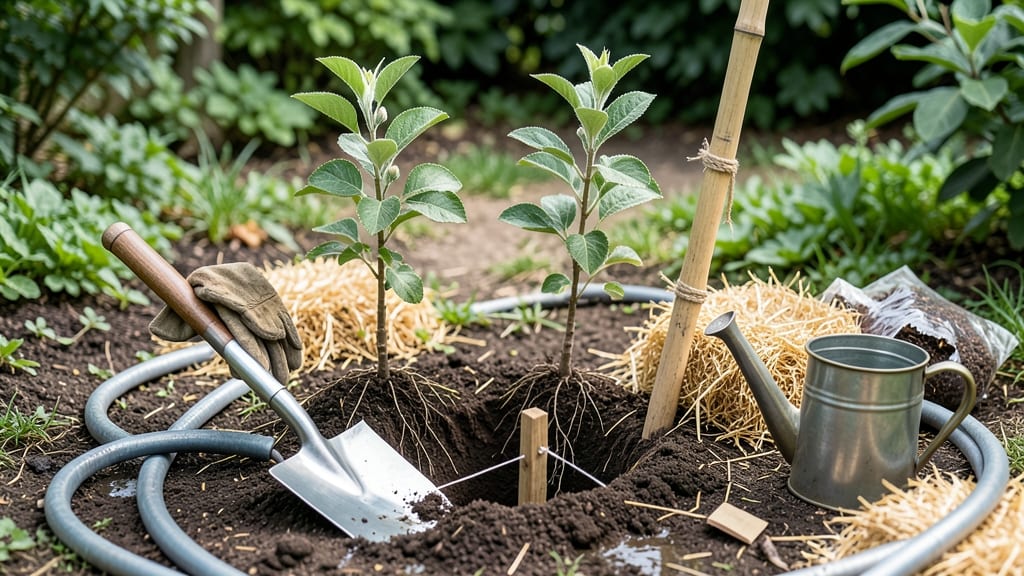
Planting fruit trees in Illinois at the wrong time could mean struggling with weak roots or frost damage—yet getting the timing right is simpler than you think. With USDA Zones 5-6 and a late-winter to early-spring window, your 🍎 trees need just the right conditions to thrive.
Most gardeners assume "spring planting" means March, but Illinois' variable frost dates (often around April 15) create a 4-week window that can make or break success. Whether you're planting bare-root saplings or container-grown varieties, understanding your microclimate is key.
I'll break down exactly when to plant in February through April, how soil temperature affects root growth, and which fruit trees (like apples or peaches) need special attention. Plus, I’ll share Illinois Extension’s best practices to avoid common mistakes.
Ready to give your orchard the best start? Let’s dive into the perfect planting schedule for your zone.
Illinois planting zones & best months for fruit trees by variety
Illinois spans USDA Hardiness Zones 5-6, where timing matters more than you think. Plant too early, and your fruit tree's roots may freeze. Too late, and it struggles to establish before winter.
The ideal window shifts based on your specific zone and fruit type—stone fruits (peaches, cherries) need warmer soil than pome fruits (apples, pears).
Most Illinois gardeners should aim for late winter to early spring, but exact dates vary. For northern Illinois (Zone 5), focus on March-April. In southern Illinois (Zone 6), you can start as early as February for heat-loving varieties.
Always check your last frost date—typically mid-April in most regions—and plant 4-6 weeks before.
Here’s how to match your fruit tree to Illinois’ planting calendar:
| Fruit Type | Best Planting Month | Soil Temp Threshold | Zone-Specific Notes | Dormancy Tip |
|---|---|---|---|---|
| Apples/Pears (Pome) | March-April | 40°F+ | Zone 5: Wait until mid-March. Zone 6: February-March. | Plant while dormant for best root growth. |
| Peaches/Nectarines (Stone) | April (after last frost) | 50°F+ | Avoid late frosts—wait until soil warms. | Warm soil prevents root rot in heat-loving varieties. |
| Cherries (Sweet/Tart) | March-April | 45°F+ | Zone 5: Late March. Zone 6: Early March. | Bare-root cherries need moist soil to wake up. |
| Plums | March-April | 40°F+ | Early spring planting reduces stress. | Prune lightly after planting to reduce transplant shock. |
| Citrus (Oranges/Lemons) | May (container only) | 60°F+ | Only for Zone 6 microclimates (e.g., St. Louis). | Use pots for winter protection. |
For bare-root trees, Illinois Extension recommends planting as soon as soil is workable—late February in Zone 6 or early March in Zone 5. These trees are dormant and won’t sprout until soil warms, making them hardier to early cold snaps.
Container-grown trees, however, can handle warmer soil and may be planted up to May in Zone 6.
One critical mistake Illinois gardeners make? Planting too deep. The root flare (where roots meet the trunk) should sit 1-2 inches above soil level. Burying it too deep suffocates roots and invites disease.
Use a spade to loosen soil 12-18 inches deep before planting—clay-heavy Illinois soil drains poorly, so amend with compost.
Pro tip: If you’re in urban Chicago or northern suburbs (Zone 5a), opt for dwarf varieties like ‘Honeycrisp’ apples or ‘Sanguine’ plums. They establish faster in compacted city soil and bear fruit in 3-4 years instead of 5-7. For rural areas, standard-sized trees thrive with more space.
Always check Purdue Extension’s frost maps for your county—late frosts in April can kill tender peach blossoms if planted too early. For peaches and plums, delay planting until after April 15 in most of Illinois to avoid flower freeze.
🌱
5 Critical factors that determine your exact planting window in Illinois
Illinois' USDA Zones 5-6 create a 4-week planting window, but your exact timing depends on more than just the calendar. Soil temperature, frost dates, and even your tree's maturity stage can shift the ideal window by 30 days or more.
Let’s break down the 5 critical factors that Purdue Extension highlights for Illinois gardeners.
First, soil temperature is non-negotiable. Fruit tree roots need soil at least 40°F to grow—below that, and you risk stunted roots or even death. In northern Illinois, this often means waiting until late March or early April, while southern zones like Zone 6 might be ready by mid-February.
Use a soil thermometer to check!
Next, frost dates dictate your deadline. Planting too close to the last frost (April 15 in most areas) can stress young trees. Aim to plant 4-6 weeks before this date to give roots time to establish.
For example, in Chicago’s Zone 5b, that’s early March, while in St. Louis’ Zone 6a, you can stretch to late February.
Soil Temperature
Roots need soil ≥40°F for growth. Use a soil thermometer in Zone 5 (northern IL) vs. Zone 6 (southern IL).
Your tree’s maturity stage also matters. Bare-root trees (dormant, no soil) can handle colder soil and should be planted as soon as possible after purchase—often February through March. Container-grown trees, however, can wait until late March or April since their roots are already established.
Check the label for specifics!
Don’t overlook microclimates. Urban areas like Chicago or Springfield can be 5°F colder than rural zones just 20 miles away due to heat islands. If you’re in a city, plant 2-3 weeks later than rural guidelines.
Also, south-facing slopes warm up faster—ideal for early planting—while low-lying areas may need a 2-week delay.
Finally, tree variety plays a role. Stone fruits (peaches, cherries) need chill hours (300-900), so planting too late can reduce flowering. Apples and pears, however, are more flexible. Always check the chill hour requirements for your specific variety to align planting with dormancy needs.