
Plants
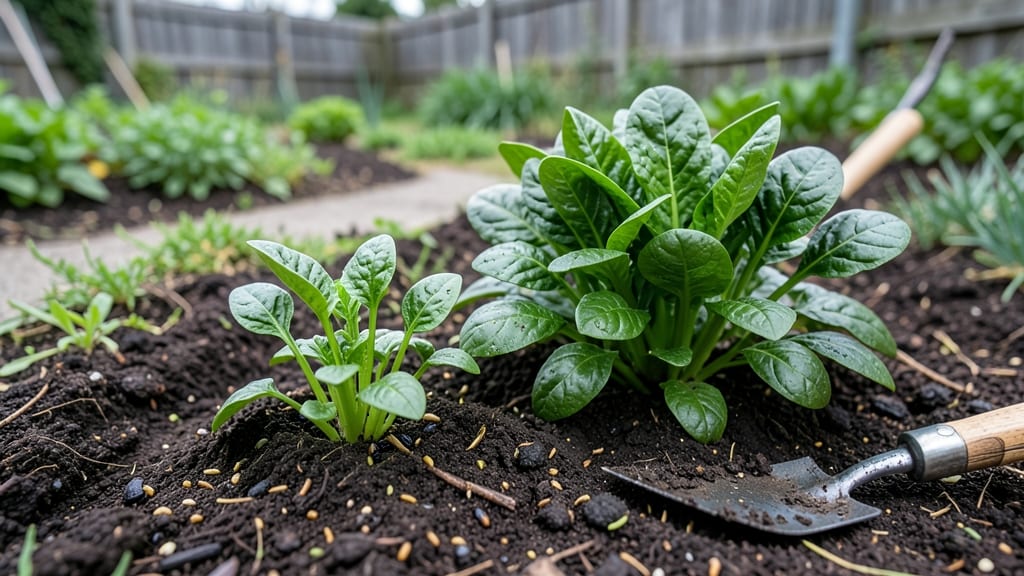
Timing your fall spinach planting in Zone 7 could mean the difference between a bumper crop of tender greens and a sad, wilted mess.
This cool-season superstar 🍃 needs the right balance of warmth and chill to thrive—plant too early, and you’ll end up with bitter leaves or bolting plants before frost hits.
Most gardeners in Zone 7 know the magic window runs from late summer to early fall, but the exact weeks matter more than you think. A misstep could leave you scrambling when temperatures dip or frost sneaks in earlier than expected.
The key is planting 6-8 weeks before your first frost date—typically mid-September to early October—for a harvest just before winter sets in.
Here’s the game-changer: I’ll break down the precise weeks to sow spinach, whether you’re starting seeds indoors or dropping them directly into the garden bed. Plus, I’ll share how to adjust for early or late harvests so you can keep the greens coming until the ground freezes.
Ready to grow spinach that’s sweeter, healthier, and ready at the perfect time? Let’s get into the details so you can enjoy fresh harvests all fall long.

Optimal planting weeks for fall spinach in Zone 7 (with frost date calculator)
In Zone 7, fall spinach needs precise timing to avoid bitter leaves or frost damage. The ideal window starts 6-8 weeks before your first frost date (typically mid-November). For most of Zone 7, this means planting between late July and mid-September.
Northern Zone 7 areas (like Cincinnati) should aim for early August, while Southern regions (like Atlanta) can extend to early October.
Spinach thrives when soil temperatures drop below 75°F but stay above 40°F. Use a frost date calculator (like the USDA Plant Hardiness Tool) to pinpoint your exact dates.
For example, if your first frost is November 15, plant by September 20 for a full harvest before cold sets in. Start seeds indoors 4-6 weeks before transplanting to give them a head start.
📌 Key Tip: Direct sowing works best in Zone 7—spinach dislikes transplant shock. Scatter seeds ½ inch deep and 1 inch apart in rows spaced 12 inches apart. Thin seedlings to 4-6 inches apart once they’re 2 inches tall to prevent overcrowding.
🌱 Fall Spinach Planting Timeline for Zone 7
| Stage | Action | Notes |
|---|---|---|
| Soil Prep | Test pH (6.0–7.0), add compost | Spinach hates acidic soil |
| Direct Sowing | Late July–Mid-September | Avoid planting after Sept 15 in most areas |
| Thinning | 2–3 weeks after germination | Keep 4–6" spacing for best growth |
| First Harvest | 6–8 weeks after planting | Pick outer leaves first |
| Hard Frost | Before Nov 15 (varies) | Light frost sweetens flavor; hard frost kills plants |
For Northern Zone 7 (e.g., Louisville, KY), aim for August 1–15 to avoid summer heat stress. In Southern Zone 7 (e.g., Birmingham, AL), you can push to early October—just cover young plants with row fabric if temperatures dip below 40°F.
Use cold-hardy varieties like 'Bloomsdale Long Standing' or 'Tyee' for extended harvests.
Pro Tip: If your summers are scorching (like in Zone 7b), start spinach in early August and use shade cloth to protect seedlings. Mulch with straw to keep roots cool and retain moisture. Spinach bolts (goes to seed) in heat, so timing is critical—don’t wait until September 15 or later unless you’re in a cooler microclimate.
Monitor soil temperature with a thermometer—spinach grows best when soil is 50–70°F. If temperatures rise above 80°F, your plants will bolt prematurely. In Zone 7, this usually happens after mid-September, so plan accordingly.
For a second crop, try succession planting every 7–10 days from August through early September.
⚠️ Avoid These Mistakes:
- Planting before July 15 (risk of bolting in heat)
- Skipping soil amendments (spinach needs rich, nitrogen-rich soil)
- Ignoring frost dates (harvest before hard frost hits)
Once planted, keep soil consistently moist—spinach needs 1–1.5 inches of water per week. Use drip irrigation to avoid wetting leaves, which can cause fungal diseases like downy mildew. In Zone 7, morning watering is ideal to reduce evaporation and give leaves time to dry before evening.
By following these Zone 7-specific weeks, you’ll enjoy tender, sweet spinach from October through December—just in time for holiday salads! 🌿
Optimal planting weeks for fall spinach in Zone 7 (with frost date calculator)
In Zone 7, fall spinach thrives when planted 6-8 weeks before the first frost, which typically hits around mid-November. This means your best window is late July through early September, but timing varies slightly between northern and southern parts of the zone.
For example, northern Zone 7 (like Raleigh, NC) may need earlier planting than southern areas (like Austin, TX).
Soil temperature is critical—spinach seeds need 40-70°F soil to germinate. If you plant too early (before late July), summer heat will stress seedlings, while planting too late (after mid-September) risks frost damage before harvest. Use a frost date calculator to pinpoint your exact window.
🌱 Fall Spinach Planting Timeline for Zone 7
| Stage | Action | Notes |
|---|---|---|
| Late July | Direct sow seeds | Soil temp: 60-70°F |
| Early August | Succession plant every 2 weeks | Extend harvest season |
| Mid-September | Last planting for harvest | 60 days to maturity |
| October-November | Harvest before hard frost | Light frost improves flavor |
For direct sowing, aim for July 20-August 15 in most of Zone 7. If you prefer transplants, start seeds indoors 4-6 weeks before outdoor planting (around mid-June) to ensure healthy seedlings. Use cold-hardy varieties like 'Bloomsdale Long Standing' or 'Tyee' for best results in fall.
Pro tip: In northern Zone 7 (e.g., Lexington, KY), plant 2 weeks earlier than southern areas (e.g., San Antonio, TX) due to cooler nights. Always check your local frost dates—they can vary by 1-2 weeks from the average.
If you miss the ideal window, don’t panic! You can still plant spinach in early October for a late fall harvest, but protect seedlings with row covers if frost threatens. Just ensure you have at least 45 days until the first hard frost for a successful crop.
Remember, consistent moisture is key after planting. Keep soil evenly damp (not soggy) to prevent bolting, especially during hot afternoons. Mulch with straw or grass clippings to retain moisture and regulate soil temperature.