
Trees
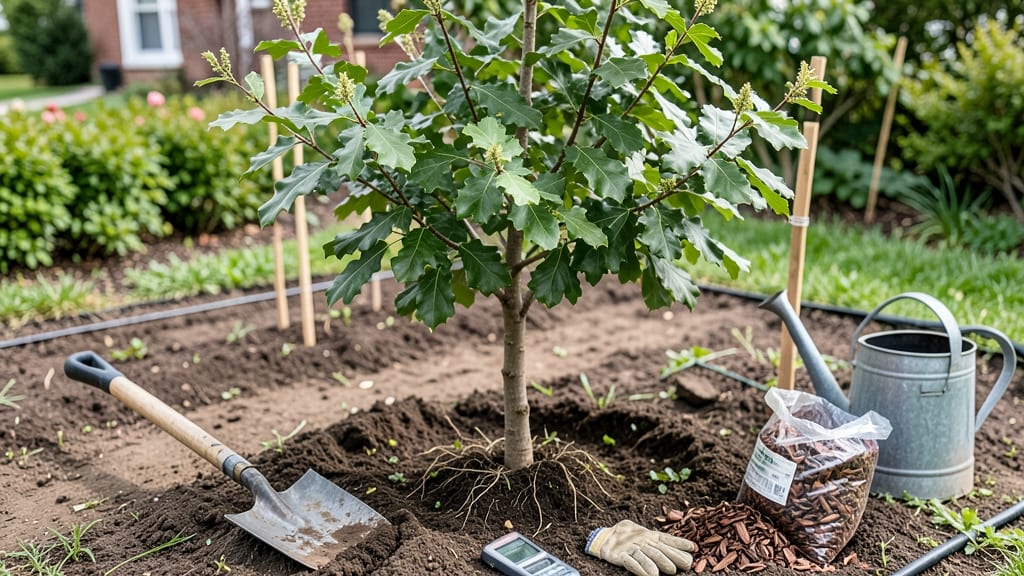
Timing your 🌳 planting in North Texas can make or break whether your new tree thrives or struggles—so getting the months right is the key to long-term success.
With our hot summers and chilly winters, planting outside the ideal window means battling drought stress or winter damage before roots even establish. The best seasons—fall and early spring—align perfectly with North Texas's 8a climate, giving trees the moisture and moderate temps they need to take hold.
Whether you're adding shade with a live oak or screening with a crape myrtle, I'll break down exactly when to plant by tree type and how to prep your soil for maximum growth. Let's get your 🌳 off to the strongest possible start.
You'll discover the precise months that work for your specific zone, plus pro tips to avoid common mistakes that derail even the most promising plantings. Ready to give your tree the perfect foundation?
North Texas planting zones: when to plant trees for optimal root growth
North Texas’s USDA Zones 8a and 8b create distinct planting windows for trees, where timing directly impacts survival rates. In Zone 8a (Dallas, Fort Worth), the ideal window spans late November through March, while Zone 8b (Waco, Abilene) benefits from October to February planting.
These periods align with cooler soil temperatures and higher moisture availability, both critical for root establishment.
Evergreen trees like Pines and Texas Ash thrive when planted in fall (October–November), as their roots establish before winter dormancy. Deciduous varieties such as Oaks and Pecans prefer early spring (February–March) planting, allowing them to leaf out and photosynthesize during the growing season.
Understanding these nuances ensures your tree’s long-term health.
Soil temperature is a non-negotiable factor—roots struggle to grow below 50°F or above 70°F. In North Texas, November–March typically maintains ideal 50–65°F soil temps, perfect for root development. Use a soil thermometer to verify conditions before planting.
| Zone (8a/8b) | Best Planting Months | Soil Temperature (°F) | Tree Types Suited | Key Considerations |
|---|---|---|---|---|
| 8a (e.g., Dallas, Fort Worth) | Late November–March | 50–65°F | Oaks, Pecans, Crepe Myrtle | Avoid drought stress; mulch heavily |
| 8b (e.g., Waco, Abilene) | October–February | 55–70°F | Pines, Redbuds, Texas Ash | Irrigate weekly for first 2 years |
Water availability is another critical factor. North Texas’s fall and winter rains provide natural moisture, but supplemental irrigation is often needed. For example, Zone 8a requires 1–1.5 inches of water weekly during establishment, while Zone 8b may need slightly more due to higher evaporation rates.
Always water deeply and infrequently to encourage deep root growth.
Local microclimates also play a role. Urban areas like Dallas experience heat islands, where temperatures can be 5–10°F warmer than rural zones. Adjust planting times accordingly—plant 1–2 weeks earlier in cities to avoid early spring heat spikes. Rural areas with clay-heavy soils may require soil amendments to improve drainage.
Bare-root trees should be planted as soon as possible after purchase, ideally within 24–48 hours of delivery. Container-grown trees offer more flexibility but still benefit from fall or early spring planting.
Soak container roots for 1–2 hours before transplanting to reduce shock. For large trees, consider professional help to ensure proper hole sizing and staking.
Mulching is non-negotiable in North Texas’s hot, dry summers. Apply 3–4 inches of mulch around the base (but not touching the trunk) to retain moisture and regulate soil temperature. Organic mulches like pine straw or shredded bark also improve soil structure over time. Replenish mulch annually to maintain effectiveness.
Monitor your tree’s progress after planting. New growth in spring indicates successful root establishment, while yellowing leaves or wilting may signal stress. Adjust watering or mulching practices as needed. With the right timing and care, your tree will thrive for decades in North Texas’s challenging climate.
For additional guidance, consult your local Texas A&M AgriLife Extension Service or a certified arborist familiar with North Texas species. Their expertise can help tailor your approach to your specific location and tree type.
North Texas planting zones: when to plant trees for optimal root growth
North Texas spans USDA Zones 8a and 8b, where the difference between these zones can shift your planting window by 2-3 months.
In Zone 8a (Dallas, Fort Worth), aim for late November through March—this aligns with cooler soil temps (50–65°F) that encourage root growth without summer drought stress.
Zone 8b (Waco, Abilene) enjoys slightly warmer winters, so you can extend your window to October through February with soil temps of 55–70°F. The key? Planting when rainfall increases and evaporation slows—both critical for young roots.
Evergreens like Pines and Texas Ash prefer Zone 8b's milder winters, while Oaks and Pecans thrive in Zone 8a's cooler pockets. Matching your tree to the zone ensures faster establishment and longer lifespan.
| Zone (8a/8b) | Best Planting Months | Soil Temperature (°F) | Tree Types Suited | Key Considerations |
|---|---|---|---|---|
| 8a (e.g., Dallas, Fort Worth) | Late November–March | 50–65°F | Oaks, Pecans, Crepe Myrtle | Avoid drought stress; mulch heavily |
| 8b (e.g., Waco, Abilene) | October–February | 55–70°F | Pines, Redbuds, Texas Ash | Irrigate weekly for first 2 years |
For bare-root trees, late fall (November) is ideal—they’ll establish roots before spring growth begins. Container-grown trees, however, can handle early spring (February) planting as long as you water deeply before the first heatwave.
Soil moisture is your biggest ally in North Texas. After planting, aim for 1–1.5 inches of rain weekly or supplement with drip irrigation. In Zone 8a, winter rains often provide this naturally, while Zone 8b may need manual watering during dry spells.
Pro tip: Test your soil’s pH and drainage before planting—North Texas clay can suffocate roots if not amended. Aim for 6.0–7.5 pH and mix in compost or gypsum for better structure. Your tree’s future health starts here!