
Plants
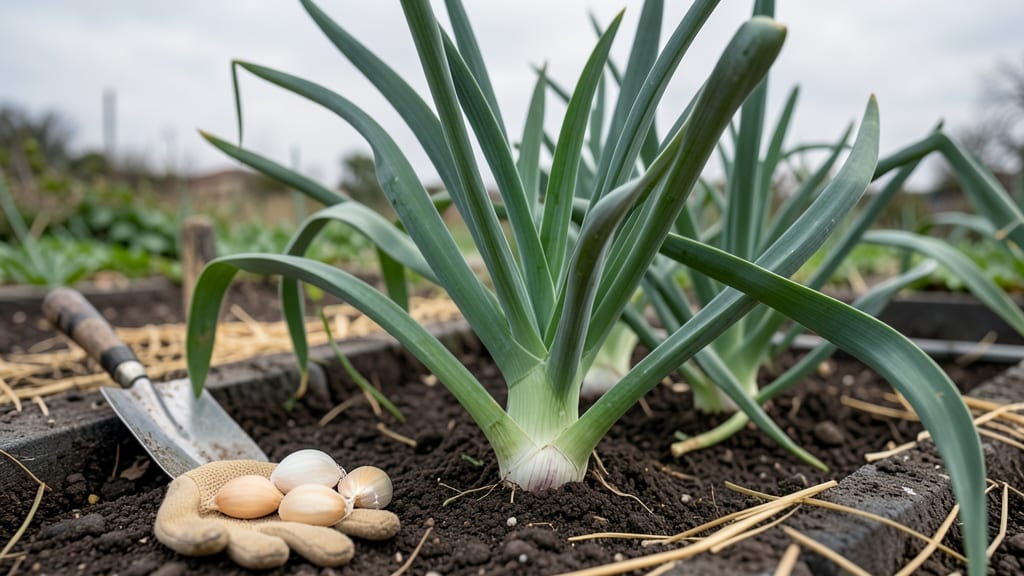
If you’ve ever wondered when to plant garlic in Alabama, the answer isn’t just about the calendar—it’s about catching that sweet spot between soil warmth and winter chill.
Alabama’s Zone 7b-8a climate gives you two chances: fall or early spring, but fall planting is the gold standard for plump, flavorful bulbs. The key?
Planting between October and November, when soil temps hover around 50-60°F—cool enough to prevent rot but warm enough for roots to establish before frost.
Why does timing matter so much? Because garlic grows best when it experiences cold winters—something Alabama delivers in spades. Too early, and your cloves may sprout prematurely; too late, and they won’t bulb properly before summer heat.
I’ll break down the exact window for your part of the state, plus soil prep tricks to set your garlic up for success. Let’s get those 🧄 cloves in the ground the right way.
Most gardeners in Alabama swear by fall planting, but there’s a method to the madness. Hardneck varieties (like ‘Music’ or ‘Silverskin’) thrive in our winters, while softnecks (like ‘Artichoke’) play it safer.
We’ll cover which types work best in your zone and how to tell if your soil is ready—because even the best garlic won’t grow if the foundation’s off. Ready to turn your garden into a garlic powerhouse?
Stick around, and I’ll walk you through the full process: from choosing the right cloves to mulching for winter protection. By the end, you’ll know not just when to plant, but how to maximize your harvest—because in Alabama, the best garlic starts with the right timing. Let’s dig in.
Best fall planting dates for Alabama garlic by climate Zone
Alabama’s diverse climate zones—from Zone 7a in the north to Zone 8b in the south—dictate precise planting windows for garlic. In North Alabama (Zone 7a), aim for mid-October to early November, while Central Alabama (Zones 7b-8a) gardeners should plant between late September and mid-November.
For South Alabama (Zone 8b), the window extends until late November due to milder winters. These dates align with soil temperatures dropping to 50-60°F, ideal for root establishment before winter dormancy.
Timing is critical because garlic needs 60-80 days of cold exposure (called vernalization) to form bulbs properly. Plant too early, and cloves may rot in wet soil; too late, and bulbs won’t develop fully.
Use your average first frost date (mid-November in most of Alabama) as a guideline—plant 4-6 weeks before this date for optimal results.
🌱
| Zone | Ideal Planting Window | Soil Temp Threshold | Key Consideration |
|---|---|---|---|
| 7a (North AL) | Mid-October – Early November | 50–60°F | Plant before first frost (Nov 15) |
| 7b–8a (Central AL) | Late September – Mid-November | 55–65°F | Flexible window; avoid late Nov |
| 8b (South AL) | Late September – Late November | 60–70°F | Milder winters; extend window |
*Adjust for early/late frosts in your microclimate.
For hardneck varieties (like Music or Silverskin), prioritize October planting—these need cold stratification to form scapes. Softneck varieties (e.g., Artichoke) are more forgiving and can handle November plantings, though yields may be smaller.
Check the lunar calendar for planting on the waxing moon to boost root growth.
Pro tip: Use a soil thermometer to confirm temps. If soil stays above 65°F for more than a week post-planting, cloves may sprout prematurely. In this case, delay planting or use shade cloth to cool the soil temporarily.
Alabama’s Zone 8b gardeners in the south (e.g., Mobile) can push the envelope by planting as late as December 1, but expect smaller bulbs. The trade-off? Fewer pests like thrips and aphids, which thrive in mild winters. Balance risk vs. reward based on your local microclimate.
🌿
Don’t rely solely on calendar dates—monitor weather forecasts for unseasonable warmth. If a heatwave hits in late October, delay planting until temps drop. Conversely, if a cold snap arrives early, cover newly planted cloves with straw mulch to insulate them until the ground freezes.
For container gardening, follow the same zone-based dates but use well-draining pots (at least 12 inches deep) to prevent waterlogging. Containers warm up faster, so plant 2 weeks earlier than in-ground garlic to compensate.
💧
How to prepare Alabama soil and cloves for fall garlic planting
Preparing your Alabama garden for garlic planting starts with soil testing and clove selection. Garlic thrives in well-draining, slightly acidic soil (pH 6.0-7.0), but Alabama’s clay-heavy soils often need amendments like compost or sulfur to achieve this.
Test your soil 4-6 weeks before planting to adjust nutrients in time.
For clove selection, choose hardneck varieties (like Music or Chesnok Red) for Alabama’s climate—they handle cold well and produce flavorful bulbs. Store-bought garlic often sprouts prematurely, so chill unplanted cloves in the fridge for 2-4 weeks before planting to mimic winter conditions.
🌱
❌ Over-amending soil with fresh manure can burn garlic roots. Use only composted materials. ❌ Planting in soggy soil leads to rot—Alabama’s wet winters demand raised beds or mounded soil for drainage.
✅ Solution: Mix 2-3 inches of compost into the top 12 inches of soil. Add 1 cup of bone meal per 10 feet of row for phosphorus, which boosts root growth.
Break garlic bulbs into individual cloves just before planting—never store them separated. Plant the pointy end up, about 2 inches deep and 4-6 inches apart, in rows spaced 12 inches apart. This spacing prevents fungal diseases (like white rot) by improving airflow.
Mulch heavily with straw or leaves (4-6 inches thick) after planting to insulate bulbs from Alabama’s temperature swings. Remove mulch in early spring to prevent rot as soil warms. Avoid synthetic mulches—they can trap too much moisture.
If your soil is too alkaline (pH >7.0), add elemental sulfur (1 lb per 100 sq ft) 2-3 months before planting. For sandy soils, incorporate peat moss to retain moisture. Always water deeply after planting to settle soil around cloves—this reduces air pockets that stunt root growth.
💧