
Companion Plants
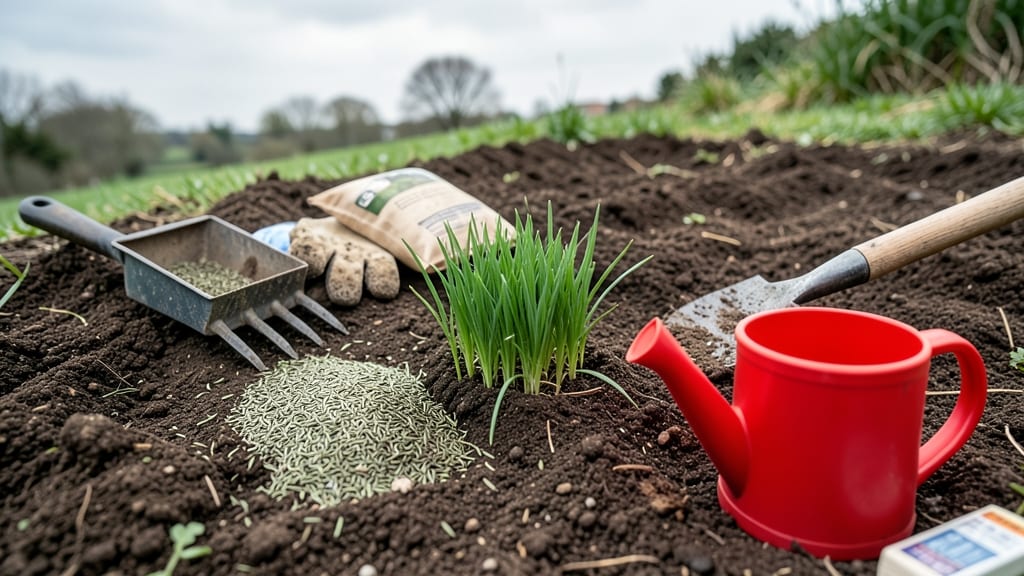
Planting your grass seed at the right time in spring can make or break your lawn—get it wrong, and weeds will steal the show before your grass even gets a chance.
The key isn’t just waiting for warm weather; it’s timing it with soil temperatures that give your 🌱 grass seed the best shot at thriving.
Most gardeners in Zone 6a (like me!) aim for early spring, but planting too soon risks frost damage, while waiting too long can lead to dry soil and poor germination. I’ve learned the hard way that checking soil temps—ideally between 50-65°F—is the game-changer for a lush lawn.
In this guide, I’ll break down the exact deadlines for your region, how to prep your soil like a pro, and the 5 mistakes that kill grass before it starts.
Whether you’re seeding in March or April, you’ll walk away knowing exactly when to plant for a lawn that’s the envy of the neighborhood.
Ready to skip the guesswork? Let’s dive into the soil science and timing tricks that’ll have your grass sprouting strong in no time.
Optimal soil temperature ranges for planting grass seed in spring
Planting grass seed in spring depends heavily on soil temperature, not just air temperature. Cool-season grasses like Kentucky Bluegrass and Tall Fescue thrive when soil is between 50°F and 65°F, while warm-season varieties such as Bermuda and Zoysia need 65°F to 75°F.
Testing your soil temperature is the key to avoiding early frost damage or slow germination.
You can use a simple soil thermometer (inserted 2-4 inches deep) to check temperatures daily. Morning readings are most reliable since soil cools overnight. If your soil is below 50°F, wait—cold soil delays germination and invites fungal diseases.
Conversely, soil above 75°F can stress cool-season grasses, leading to patchy growth.
Regional variations matter too. In northern climates (Zones 3-5), soil may stay too cold until late May, while southern zones (6-10) can hit ideal temps as early as February or March. Microclimates—like south-facing slopes—can also warm up faster than shaded areas.
For cool-season grasses, aim for planting when soil is consistently 55°F+ for 5-7 days. Warm-season grasses should go in when soil is 65°F+ and stays there. Use a seed germination chart for your specific grass type to fine-tune timing.
| Grass Type | Ideal Soil Temp (°F) | Best Planting Window | Germination Time |
|---|---|---|---|
| Cool-Season (Kentucky Bluegrass, Fescue) | 50°F–65°F | Early Spring (4-6 wks before last frost) | 7–21 days |
| Warm-Season (Bermuda, Zoysia, St. Augustine) | 65°F–75°F | Late Spring (after last frost) | 10–30 days |
| Ryegrass (Fast-Germinating Mix) | 45°F–60°F | Early Spring (as soon as soil thaws) | 5–14 days |
🌱 Pro Tip: Use a soil thermometer for 3 days to confirm stable temps before planting.
If your soil is too cold, consider a seed starter blanket or black plastic mulch to warm it faster. These tools raise soil temps by 5–10°F, speeding up germination. However, avoid plastic if your soil is already near ideal temps—it can overheat seeds.
Another trick is to plant ryegrass mixes first in cold soil—they germinate in 5–14 days and provide temporary cover while warming the soil for slower grasses. Once temps rise, overseed with your primary grass type for a thicker lawn.
Watch for frost warnings after planting. If frost is forecast within 48 hours, cover new seeds with a lightweight row cover or straw mulch. Cool-season grasses can handle light frost, but repeated freezing will kill tender sprouts.
Finally, water deeply after planting to settle seeds into the soil. Keep the top 1–2 inches of soil moist (not soggy) until germination. A sprinkler with gentle mist works best—avoid heavy streams that dislodge seeds.
By mastering soil temperature, you’ll outpace weeds and give your grass the competitive edge it needs to establish quickly. Next, we’ll break down zone-specific deadlines to pinpoint your exact planting window.
Spring planting deadlines by US planting zones (3-10)
Your USDA Planting Zone dictates the perfect window for planting grass seed in spring. In colder zones like Zone 3, you’ll wait until late April or early May, while warmer zones like Zone 10 can start as early as February.
The goal? Plant when the soil warms to 50-65°F—this ensures your seeds germinate quickly and avoid frost damage.
I’ve planted in Zone 6a for years, and I’ve learned that early spring planting (March–April) works best here. But if you’re in a different zone, your deadlines shift dramatically. For example, Zone 5 gardeners should aim for mid-April to early May, while Zone 8 can start as early as February.
Missing these windows risks uneven germination or weed takeover.
| Zone | Ideal Planting Window | Soil Temp Threshold | Key Consideration |
|---|---|---|---|
| 3-4 | Late April–Early June | 50-55°F | Frost risk high; use frost blankets |
| 5-6 | Mid-April–Early May | 55-60°F | Moderate frost risk; test soil weekly |
| 7-8 | February–March | 60-65°F | Warm soil; start early to avoid summer drought |
| 9-10 | January–February | 65-70°F | Hot summers; prioritize watering |
Microclimates can throw off these deadlines. For example, a south-facing slope in Zone 6a warms faster than a shaded yard, so you might plant a week earlier.
To adjust, use a soil thermometer—if your soil hits 50°F consistently for 5 days, it’s time to plant, even if the calendar says otherwise.
Late spring planting (May–June) is riskier because soil can dry out, but it’s better than skipping the season entirely. If you miss the ideal window, opt for overseeding in early fall instead—it’s the backup plan for a thick, green lawn.
Pro tip: Mark your calendar 4-6 weeks before your last frost date. This gives you a buffer to prep soil, test moisture, and plant when conditions are perfect. Trust me, your lawn will thank you!