
Trees
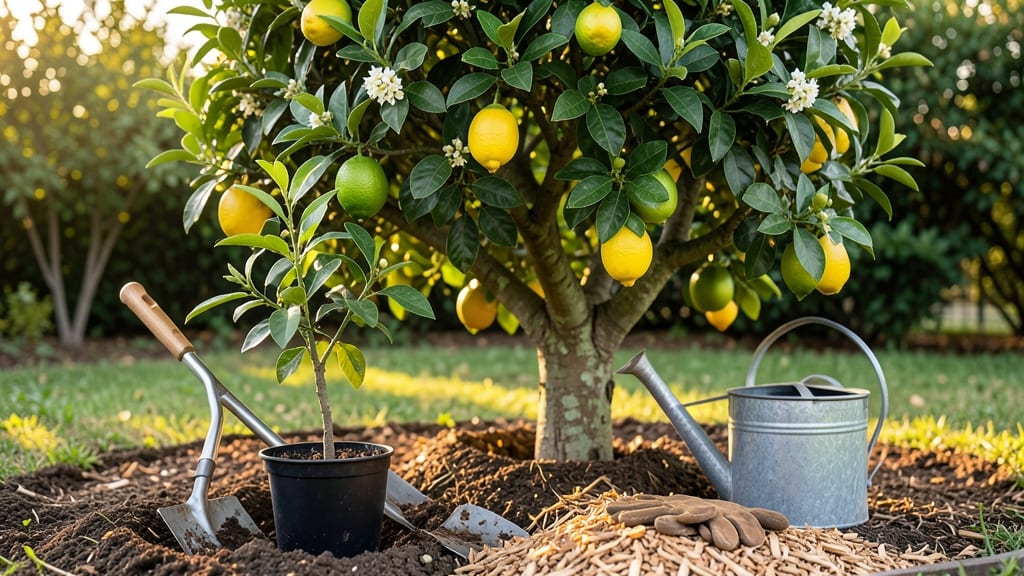
Planting a citrus tree 🍊 in Central Florida at the wrong time could mean wasted effort—or even losing your tree to unexpected cold snaps (yes, they do happen!). With 365 frost-free days in Zone 9b, you might think timing doesn’t matter—but soil prep, seasonal humidity shifts, and microclimates (like coastal vs. inland areas) play a surprisingly big role in whether your tree thrives or struggles.
Most gardeners in Central Florida assume year-round planting works, but the ideal frost-free window—February through March—gives your citrus tree the best shot at strong root establishment before summer’s intense heat.
I’ll show you exactly how to align planting with Florida’s unique weather patterns, so you avoid common pitfalls like poor drainage or nutrient burnout that can stunt growth.
Beyond just picking a month, you’ll learn how to prep your soil for maximum citrus success, including pH adjustments, organic amendments, and drainage tricks that work specifically for Florida’s clay-heavy dirt.
Whether you’re a first-time grower or a seasoned citrus enthusiast, these steps will help you skip the guesswork and get a tree that’s ready to bear fruit in no time.
Ready to turn your backyard into a citrus grove? Let’s break down the exact steps—from soil to seasonal care—that’ll have your tree flourishing year-round, even in Florida’s unpredictable microclimates.
Central Florida citrus planting calendar: frost-free window & best months
Central Florida’s frost-free climate (USDA Zone 9b-10a) makes it ideal for growing citrus trees year-round—but timing still matters. Unlike northern states, you won’t face frost damage, but heat stress and hurricane season influence the best planting windows.
Citrus trees thrive when planted during cooler months (February–March or September–October) when soil temperatures are mild. This gives roots time to establish before summer’s intense heat or winter’s occasional cold snaps (rare but possible in inland areas like Orlando).
For container-grown trees, you can plant almost anytime, but bare-root trees need 6–8 weeks to establish roots before summer’s peak. Coastal areas (like Cocoa Beach) have slightly milder winters, while inland zones (like Lakeland) may experience brief cold snaps below 30°F.
🌱 Pro Tip: Check Florida Automated Weather Network (FAWN) for local microclimate data—some inland regions can drop to 28°F in January, risking damage to young trees.
| Planting Window | Ideal Months | Soil Temp | Notes |
|---|---|---|---|
| Early Spring | February–March | 60–75°F | Best for bare-root trees; avoids summer heat stress. |
| Late Summer | September–October | 70–80°F | Ideal for container trees; avoids hurricane season risks. |
| Winter (Inland Only) | November–January | 55–65°F | Risky for inland zones; use windbreaks if planting. |
| Year-Round (Containers) | Any month | Varies | Move pots indoors if temps drop below 40°F. |
If you miss the ideal windows, spring planting (April–May) still works for container trees, but expect slower establishment during summer’s heat. Hurricane season (June–November) is the worst time to plant—strong winds can uproot young trees, and flooding risks root rot.
For coastal gardeners, prioritize September planting to avoid summer storms. Inland areas should aim for February–March to outpace spring’s rapid temperature swings. Always mulch heavily (4–6 inches) to regulate soil temperature and retain moisture.
🌿 Local Tip: Visit a UF/IFAS Extension office (e.g., Lake County or Brevard County) for soil tests and microclimate maps—they’ll confirm if your specific area has cold pockets or salt spray risks (common near coastlines).
Once planted, monitor young trees closely for leaf curl (sign of stress) or yellowing (nutrient deficiency). In Central Florida’s humidity, fungal diseases like citrus canker are common—spray with copper fungicide preventatively in spring and fall.
✂️ Final Note: Prune new growth in late winter to shape the tree and remove suckers (shoots growing from the base). This encourages stronger branching and better fruit production in years 2–3.
Soil preparation for citrus trees: pH, drainage & organic amendments
Central Florida’s clay-heavy soil can be a citrus tree’s worst enemy if not amended properly. Without the right prep, your tree may struggle with root rot or nutrient deficiencies, even in our warm climate.
The key? A well-draining, slightly acidic soil mix (pH 6.0–7.0) that mimics the Mediterranean conditions citrus trees naturally thrive in.
Start by testing your soil’s pH using a home test kit or send a sample to your local UF/IFAS Extension office. If your soil tests too alkaline (common in Florida), you’ll need to add sulfur or peat moss to lower the pH gradually.
Avoid quick fixes like vinegar, which can harm beneficial microbes and burn roots.
Next, focus on drainage. Citrus trees hate soggy feet, so if your yard has compacted clay, consider planting in a raised bed or mounding native soil with pine bark fines or compost. This creates air pockets that prevent waterlogging while retaining enough moisture for deep roots.
⚠️ Citrus Soil Prep Warning
Mistake: Skipping soil amendments or using fresh manure (burns roots).
Risk: Poor drainage → root rot; high alkalinity → nutrient lockout.
Fix: Amend with composted citrus-specific fertilizer (like 6-6-6 NPK) and organic matter (e.g., alfalfa meal for nitrogen). Avoid heavy clay spots—plant on mounds or use gravel layers for drainage.
For organic amendments, mix in well-aged compost (2–3 inches) and a slow-release fertilizer at planting. Top with 3–4 inches of mulch (pine straw or wood chips) to retain moisture and regulate soil temperature. Just keep mulch 6 inches away from the trunk to prevent rot.
Pro tip: If your soil tests too sandy, add 20% compost to improve water retention. Sandy soils dry out fast, stressing young trees during Florida’s summer heat. Monitor moisture by sticking your finger 2 inches deep—if it’s dry, water deeply until it runs out the drainage holes.
Finally, citrus trees thrive with consistent nutrients. After planting, feed lightly with a balanced citrus fertilizer (like 8-3-9) every 6–8 weeks during the growing season (spring–fall). Avoid over-fertilizing—this leads to leaf burn and weak fruit development. Always water before fertilizing to prevent root damage.