
Plants
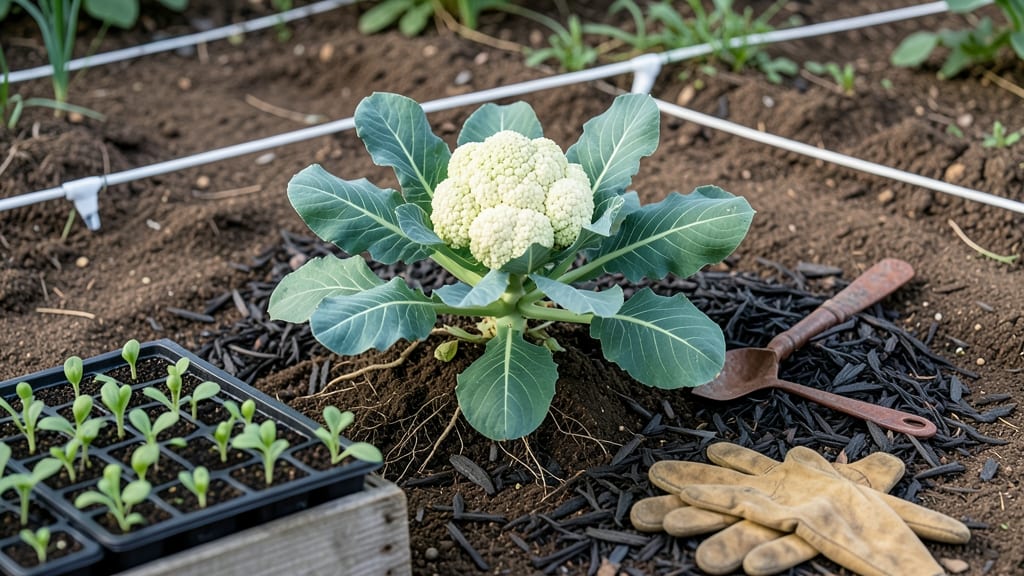
If you’ve ever tried growing 🥬 cauliflower and wondered when to plant cauliflower in Zone 9b for the best results, you’re not alone. The key to success lies in planting at the perfect time—when temperatures cooperate and your plants have the best shot at thriving.
In Zone 9b, where summers are scorching and winters are mild, timing is everything. Fall planting (October–November) or early winter (January–February) gives your cauliflower the cool-season conditions it craves, while avoiding the brutal summer heat that turns heads bitter or stunted.
But there’s more to it than just months—soil prep, shade strategies, and variety choices all play a role in your harvest’s success.
I’ve grown cauliflower in Phoenix and other desert climates, and I’ll show you exactly how to time your plantings for bountiful, frost-free harvests—plus the heat-tolerant varieties that actually work in Zone 9b. Let’s get your garden on track for a head-start on spring!
Whether you’re a first-time gardener or a seasoned grower, these insights will help you avoid common mistakes and maximize your yield. Ready to turn your cauliflower dreams into reality? Let’s dive into the best planting windows and pro tips for your climate.

Best planting windows for cauliflower in Zone 9b: fall vs. spring timing
In Zone 9b, where summers are scorching and winters are mild, timing is everything for growing cauliflower. This cool-season crop bolts (goes to seed) when temperatures exceed 75°F, so planting too late in spring or too early in summer spells disaster.
My strategy? Focus on fall and early winter planting to align with the zone’s natural cool periods.
Cauliflower seeds need soil temperatures between 60–75°F to germinate, but once sprouted, they thrive in 65–70°F day temperatures. In Zone 9b, this window opens in late October and closes by early February—any later, and you risk heat stress.
I’ve learned the hard way that summer planting leads to bitter, inedible heads.
Here’s the key: Fall planting (October–November) gives you harvests by March–May, while winter planting (January–February) yields crops in May–July. Both strategies avoid the brutal summer heat while maximizing the zone’s 245 frost-free days.
But timing isn’t just about months—it’s about temperature thresholds. Use a soil thermometer to confirm your garden is ready. For fall, aim for soil temps below 70°F; for winter, wait until daytime highs stay under 75°F.
In Phoenix, for example, I plant in mid-October to catch the cooler weather before December’s occasional cold snaps.
Pro tip: If you’re in a microclimate with later frosts (like coastal areas), push planting to November. Conversely, inland zones like the Southern California deserts may need January starts to avoid early heat spikes. Always check your local last frost date—even in Zone 9b, unexpected chills can occur.
Spring planting in Zone 9b is a gambit—most varieties bolt by June, leaving you with tough, fibrous heads. That said, if you’re determined to try, opt for heat-tolerant varieties like ‘Cheddar’ or ‘Violet Queen’ and plant in March under shade cloth.
I’ve had limited success with this method, but it’s worth a shot if you’re desperate for summer harvests.
For succession planting, stagger seeds every 2–3 weeks during your chosen window. This ensures a continuous harvest and reduces the risk of losing your entire crop to unexpected heat or pests.
In my garden, I plant two batches—one in October and another in January—to spread out the workload and enjoy cauliflower for months.
Critical prep step: Amend your soil with compost to improve moisture retention, as Zone 9b’s dry spells can stress young plants. I also add a 2-inch layer of mulch to keep roots cool and hydrated. Without these adjustments, even the best timing won’t guarantee success.
Finally, monitor moisture levels closely. Cauliflower needs consistent watering (1–2 gallons per plant every 3–5 days), but overwatering can lead to rot. In Zone 9b’s heat, I water deeply in the morning to avoid evaporation and fungal issues.
This balance is key to avoiding bitter heads or premature bolting.
With the right timing and care, you’ll harvest smooth, flavorful heads—not the bitter, tough ones that plague careless gardeners. Trust the science, and your cauliflower will thank you with bountiful, restaurant-quality results. 🥬
Best planting windows for cauliflower in Zone 9b: fall vs. spring timing
Cauliflower in Zone 9b thrives when temperatures dip into the 50–70°F range, making fall and winter your best planting windows.
Unlike cooler zones, you’ll miss the spring window entirely—cauliflower bolts (goes to seed) when days warm above 75°F, which happens by March in Zone 9b. My strategy? Two key plantings: late fall for a spring harvest, and winter for a summer crop.
For fall planting, aim for October–November when soil temps drop below 75°F. Seedlings should establish roots before winter’s mild chill (Zone 9b rarely drops below 30°F). For winter planting, sow in January–February to catch the tail end of cool weather before summer heat arrives.
Timing is critical—plant too late, and you’ll face bitter, woody heads or bolting.
| Planting Window | Ideal Soil Temp | Days to Maturity | Harvest Window | Heat Risk |
|---|---|---|---|---|
| Late Fall (Oct–Nov) | 60–75°F | 80–100 days | March–May | Low (winter chill) |
| Winter (Jan–Feb) | 55–65°F | 70–90 days | May–July | Moderate (spring heat) |
Zone 9b’s microclimates complicate timing. In desert areas like Phoenix, plant 2–3 weeks earlier to escape summer heat. Near coastal regions (e.g., San Diego), extend fall planting into early December—cooler ocean breezes delay bolting.
Always check your last frost date (typically December 15–January 15 in Zone 9b) and plant 4–6 weeks before to ensure maturity.
Seedlings need 60–75°F soil to germinate, but 65–70°F is ideal for steady growth. Use a soil thermometer to avoid cold snaps (below 50°F) or heat stress (above 80°F).
If your garden hits 85°F+, switch to heat-tolerant varieties like ‘Romanesco’ or ‘Cheddar’—they handle short heat spikes better than standard types.
Bolting is your biggest enemy in Zone 9b. To prevent it, plant in partial shade (e.g., under drip irrigation lines or light shade cloth) during spring’s warm-up. Mulch with straw or wood chips to keep roots cool.
My go-to trick? Succession plant every 2 weeks in fall/winter—this spreads out harvests and reduces heat stress on mature plants.
For spring planting, forget it—Zone 9b’s heat arrives too early. Instead, focus on fall and winter. Start seeds indoors 4–6 weeks before transplanting (use grow lights if natural light is weak).
Harden off seedlings for 7–10 days before moving them to the garden. Transplant on a cloudy day or in late afternoon to minimize shock.
🌿 Key Takeaway: Zone 9b cauliflower success hinges on two plantings: fall (Oct–Nov) for spring harvests and winter (Jan–Feb) for summer. Use shade, mulch, and heat-tolerant varieties to beat the heat—your heads will thank you!