
Plants
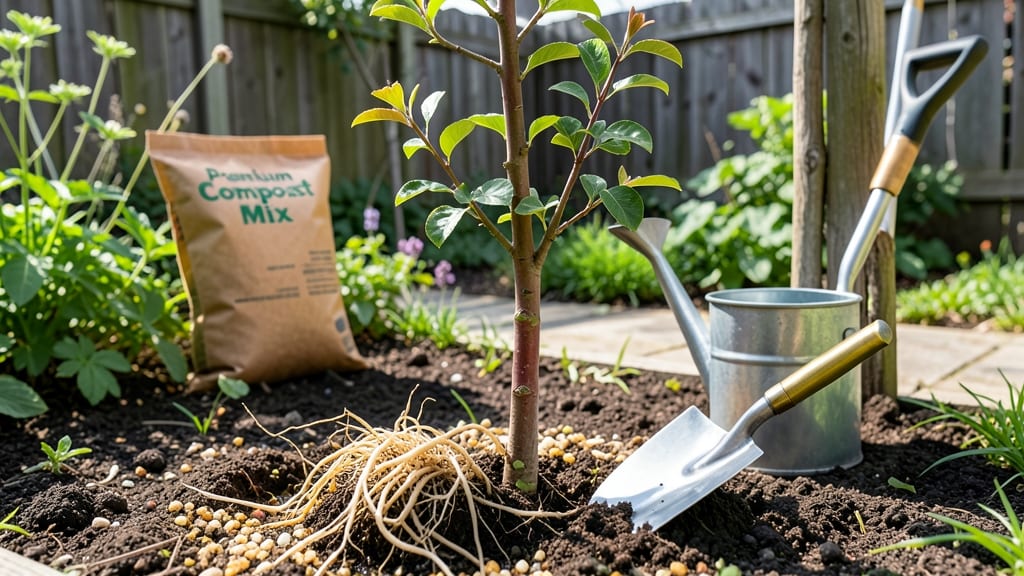
Timing is everything when you're planting a peach tree in Texas—get it wrong, and your 🍑 might never thrive. The key lies in understanding your specific zone's chill-hour needs and avoiding those brutal summer heat waves that can stress young trees.
Most Texas gardeners swear by late winter to early spring planting, but the exact window depends on whether you're in North Texas (where frosts linger) or South Texas (where warmth arrives early).
We're talking February through March for most regions, but let's break down how to match your local climate for success.
You'll want to plant 4-6 weeks before your last frost date, giving roots time to establish before the growing season kicks in. This means North Texasers should aim for early March, while South Texas gardeners might start as early as late February.
In this guide, I'll walk you through zone-specific planting windows, how to choose the right peach variety for your area, and critical prep steps to ensure your tree gets off to a strong start—no guesswork involved.
Best planting months for peach trees in Texas by chill-hours
Texas spans USDA zones 8a through 10a, creating dramatic differences in chill-hour availability—the single most critical factor for peach tree success. Northern Texas (zones 7b–8a) gets 600–1,000+ chill hours, while South Texas (zones 9a–10a) often sees 300–500 hours.
This means choosing the wrong variety—or planting at the wrong time—can leave you with a tree that blooms but never fruits.
For most Texas gardeners, the optimal planting window runs from late February through early March. This gives roots time to establish before summer heat arrives.
However, South Texas gardeners can start as early as late January in zones 9b–10a, while North Texas may need to wait until mid-March in colder microclimates.
Here’s the chill-hour breakdown you need to know: Peach trees require 300–1,000 chill hours to break dormancy. If your area gets fewer than 300 hours (common in South Texas), opt for low-chill varieties like 'Contender' or 'Redtop'.
Areas with 500–700 hours (Central Texas) can grow semi-freestone types like 'Elberta', while 700+ hours (North Texas) supports classic varieties like 'Redhaven'.
🌱Pro Tip: Use your local Cooperative Extension Service chill-hour data to fine-tune your choice. For example, Amarillo (zone 7b) averages 900+ chill hours, while Corpus Christi (zone 9a) often sees only 400 hours—a critical difference for variety selection.
| Texas Region | USDA Zone | Chill Hours | Best Planting Month | Recommended Varieties |
|---|---|---|---|---|
| North Texas | 7b–8a | 900–1,000+ | Mid-March | Redhaven, Elberta, Reliance |
| Central Texas | 8a–8b | 500–700 | Late February–Early March | Elberta, Halford, Contender |
| South Texas | 9a–10a | 300–500 | Late January–February | Contender, Redtop, Springcrest |
Planting in November or December is possible in North Texas, but this is risky due to winter dieback from freeze-thaw cycles. Young peach trees planted too early may suffer root damage if temperatures drop below 20°F.
For this reason, I recommend late winter planting as the safest bet for most Texas zones.
If you’re in South Texas (zones 9a–10a), avoid planting after mid-March. The intense summer heat can stress newly planted trees, leading to transplant shock.
Instead, focus on January–February when soil temperatures are cooler. In contrast, North Texas gardeners can extend planting into early April if soil isn’t waterlogged.
🌡️Key Temperature Rule: Wait until soil temperatures consistently stay above 50°F before planting. Use a soil thermometer to check—this is especially critical in East Texas, where spring warmth arrives unevenly. Planting in 45°F or colder soils slows root growth and increases disease risk.
One common mistake I see is planting peach trees in May or June. While the tree might survive, it’ll struggle to establish roots before summer’s peak, leading to poor fruit production in years 2–3. Always prioritize root establishment over fruit in the first growing season.
Finally, consider your microclimate. A hilltop in North Texas might get 100+ extra chill hours compared to a valley 5 miles away. Use neighborhood plant guides or ask local nurseries about frost pockets—these can shift your planting window by 2–4 weeks.
☀️Bottom Line: For 90% of Texas gardeners, February–March is the sweet spot. But verify your chill hours and last frost date—your peach tree’s future depends on it.
Best planting months for peach trees in Texas by chill-hours
Texas spans USDA zones 8a through 10a, creating wildly different planting windows for peach trees. The key factor? Chill-hours—the number of hours below 45°F your tree needs to fruit.
Most Texas peaches require 300–1,000 chill-hours, and planting too early or late can starve your tree of dormancy time.
North Texas (zones 7b–8a) gets 500–900 chill-hours, while South Texas (zones 9a–10a) often sees 300–500 chill-hours. This means your neighbor in Dallas might plant in late February, while a Houston gardener should wait until early March.
Here’s the golden rule: Plant 4–6 weeks before your last frost date—but never in summer heat. Young peach trees hate Texas summers, so avoid planting after April 15 in most regions.
| Texas Zone | Chill-Hours Needed | Best Planting Window | Key Varieties |
|---|---|---|---|
| North TX (7b–8a) | 500–900 | Late Feb–Early March | Redhaven, Elberta, Reliance |
| Central TX (8a–8b) | 400–600 | Early March–Mid-March | Contender, June Gold, Flordagold |
| South TX (9a–10a) | 300–500 | Mid-March–Early April | Contender, Tropic Beauty, Tropic Snow |
Pro tip: Check your local frost dates using the Texas A&M AgriLife Extension maps. For example, Amarillo’s last frost is often March 15, while Corpus Christi’s is February 1. Plant accordingly!
If you miss the window, don’t panic—you can bare-root plant in late fall (November–December), but this requires extra frost protection (like mulch or frost cloth). Just avoid spring planting after April 1, or your tree will struggle with heat stress.
Remember: A well-timed peach tree in Texas can bear fruit in 2–4 years—but only if you nail the planting window. Start with the right month, and you’re halfway to a homegrown harvest! 🌱