
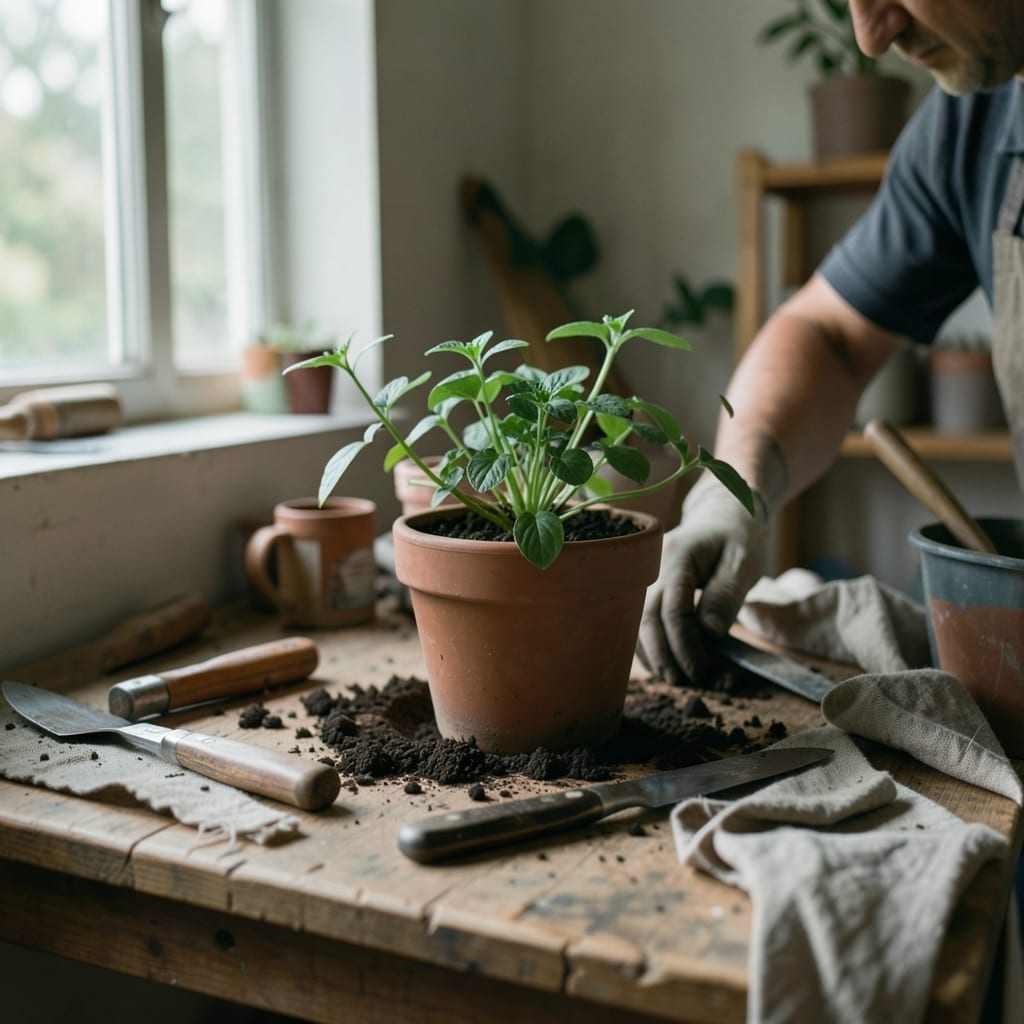
It started with one basil plant that kept dying
It was a single pot on a fire escape in Brooklyn, summer of 2018, and the basil refused to stay alive. I’d plant it, water it twice a day, and by the third week, the leaves would yellow, then crisp at the edges.
The soil smelled sour, even though I’d sterilized it. The pot was the same one I’d used for parsley—no drainage holes, just a saucer to catch the runoff.
The instructions said ‘full sun,’ but the fire escape got three hours of direct light at most, and the rest was dappled shade from the building next door.
I tried everything. I switched to a bigger pot, thinking it needed more room. I added compost, then fertilizer, then a handful of crushed eggshells for calcium. I even pruned it aggressively, convinced the problem was overcrowding. Nothing worked. The plant would perk up for a week, then collapse again.
The stems turned black at the base, and the leaves fell off like they were too heavy to hold on.
The worst part was the timing. It would happen just as the plant started to flower—right when it should have been thriving. I’d wake up to find the soil bone-dry, even though I’d watered it the night before. The pot was light, but the roots were rotting anyway.
That’s when I realized: the saucer wasn’t draining. The water was pooling, and the roots were drowning in what little air the soil had left.
Nine tries before it worked
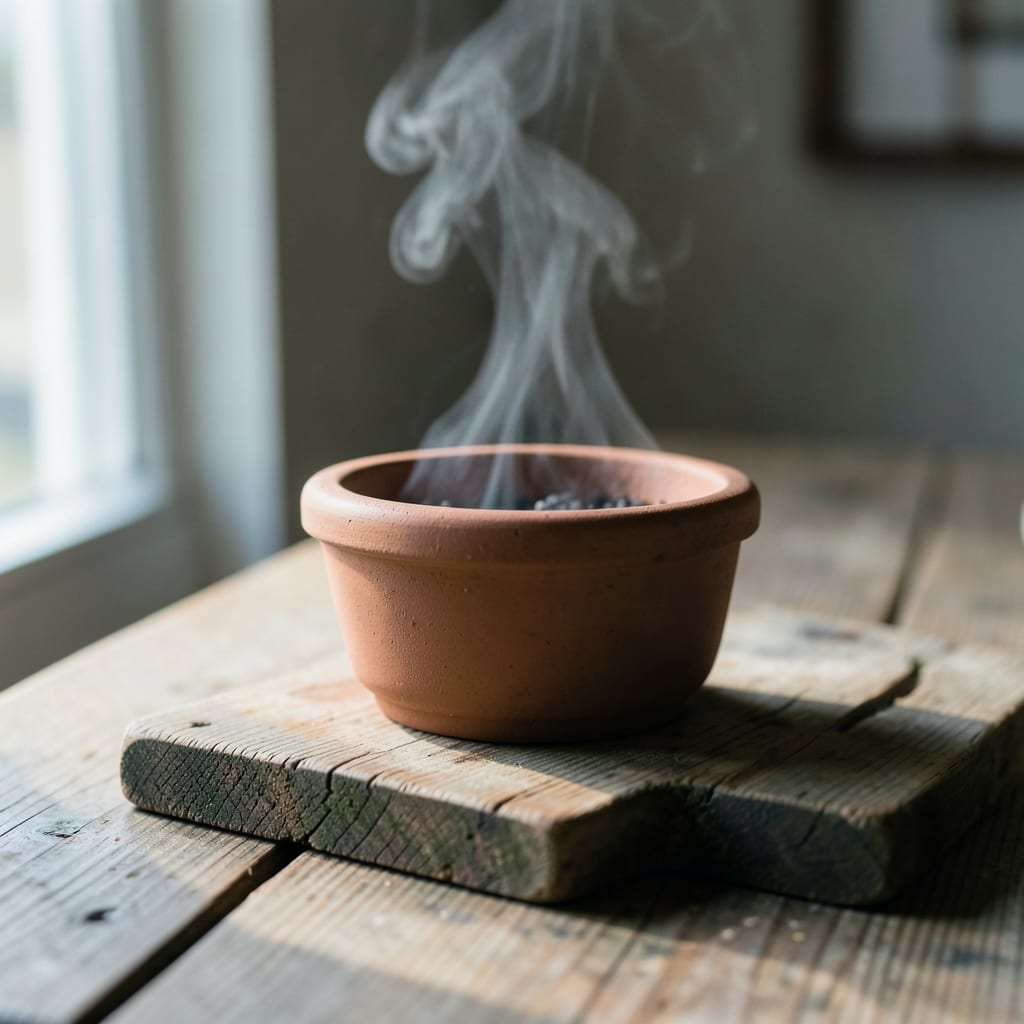
The first five attempts all failed the same way. I’d repot it, adjust the watering, and within weeks, the cycle would repeat. The sixth time, I finally drilled drainage holes into the bottom of the pot—but the plant still wilted.
I checked the soil moisture with my finger and overwatered it by accident, turning the roots to mush. By the seventh try, I’d given up on the fire escape and moved the pot to a windowsill inside, where it got six hours of light.
It lasted ten days before the leaves curled inward.
The breakthrough came on the eighth try. I switched to a terracotta pot—heavier, with built-in drainage—and planted the basil in a mix of 60% potting soil and 40% perlite.
I watered it only when the top inch of soil was dry, and I placed it in a spot where it got five hours of morning sun and partial shade in the afternoon. Still, it struggled.
The ninth time, I added a slow-release fertilizer pellet and stopped touching it except to trim the flowers as they formed. That time, it stayed green for three months.
The lesson wasn’t just about the pot or the soil. It was about the rhythm. Basil doesn’t like to be fussed over—it likes consistency. The fire escape’s inconsistent light, the saucer’s hidden waterlogging, the overcorrection of adding too much compost—every mistake taught me something.
But the real failure wasn’t the plant. It was my assumption that I could control it perfectly. The plant was just trying to tell me what it needed.
The mind behind these pages
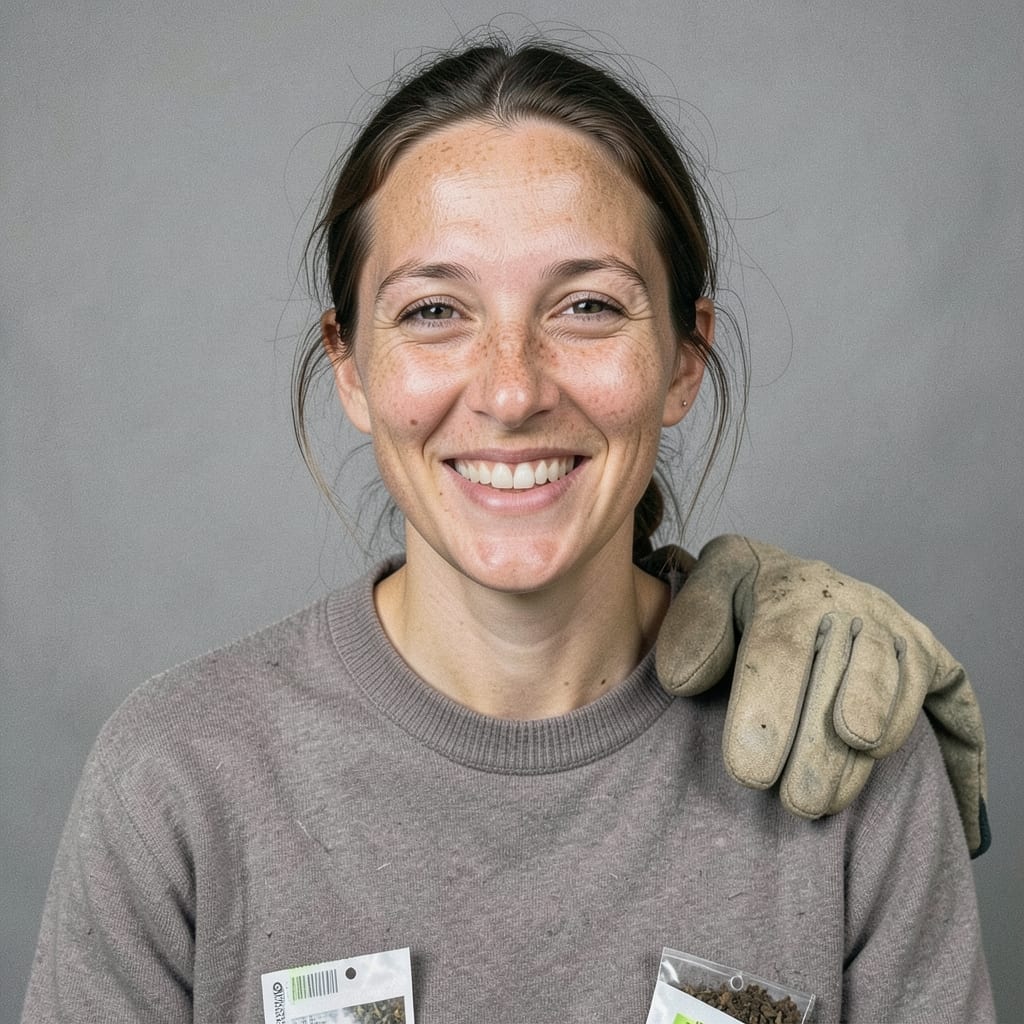
That basil was Dolores Abernathy’s first real lesson in patience. She was the one who kept repotting it, who sterilized the soil, who moved it indoors when the fire escape got too hot.
She’s the founder of *Balcony Planter*, where she writes about the plants that survive—and the mistakes that almost killed them.
She’s the kind of person who buys seeds before she even knows what she’ll do with them. Her grandmother’s garden was where she learned that dirt remembers the sun, and that some plants will outlast your best intentions.
She’s also the one who still checks the drainage holes in every pot she buys, even years later. The habit cost her a small fortune in terracotta, but she doesn’t care—she’d rather have a thriving plant than a pretty pot.
She collects old gardening books and dog-eared seed catalogs, and she once spent an entire afternoon trying to revive a houseplant with a hairdryer. (It didn’t work.) She’s terrible at delegating—she’d rather troubleshoot a wilting fern herself than ask for help—and she still keeps a notebook by her bed to jot down what she learned that day, no matter how late it is.
That basil didn’t just teach her how to grow plants. It taught her how to write about them: one failure at a time, until the method becomes clear.
Everything here is written the way that basil was
Every guide on this site starts with a plant that almost died. The soil mix, the watering schedule, the light conditions—none of it is pulled from a textbook. It’s tested in real pots, in real seasons, with real mistakes along the way.
The basil’s ninth try became the template: adjust one thing, wait, observe, and only then decide what to change next.
The notes from those failures live in the margins of every page. You’ll see it in the warnings like *‘This plant hates humidity’* or *‘Skip the fertilizer unless the soil is truly depleted’*—those are the lessons that came from pots that didn’t drain, or soil that stayed too wet.
The ‘pro tips’ aren’t just advice; they’re the things that almost broke the plant, until they didn’t.
Even the pages that seem simple—like the one about growing mint—have been rewritten three times. The first version assumed everyone had a sunny windowsill. The second added a section for north-facing balconies. The third included a troubleshooting list for yellow leaves, because that’s what happens when you don’t.
The site doesn’t just tell you what to do; it tells you why the last version failed.
What that means for you
You’ll find no ‘foolproof’ methods here—just what actually works in small spaces, with real light, and imperfect soil. Every tip has been tested in a pot that didn’t drain, a season that was too hot, or a plant that refused to cooperate.
The goal isn’t to make you an expert overnight. It’s to give you the same notes Dolores scribbles in her own garden: the things that almost went wrong, and how to fix them before they do.
What you won’t find is a list of plants you *should* grow, or a timeline that assumes your balcony gets six hours of sun. This site is for the person who’s watered a seedling and watched it rot, or who’s bought a ‘self-watering’ pot and wondered why nothing’s growing.
The advice here is built on the same failures that built the site.
If you’ve got a plant that’s stubbornly refusing to thrive—or one that’s outlasted your expectations—tell us about it. We’re especially interested in the ‘why not’: the soil that stayed soggy, the light that turned out to be too much, or the neighbor’s cat that kept digging in the pot. Share your lesson on the contact page.
The guides are grouped by category: Advice, Aphids, Blooming, Companion Plants, Container Gardens and Diseases.