
Plants
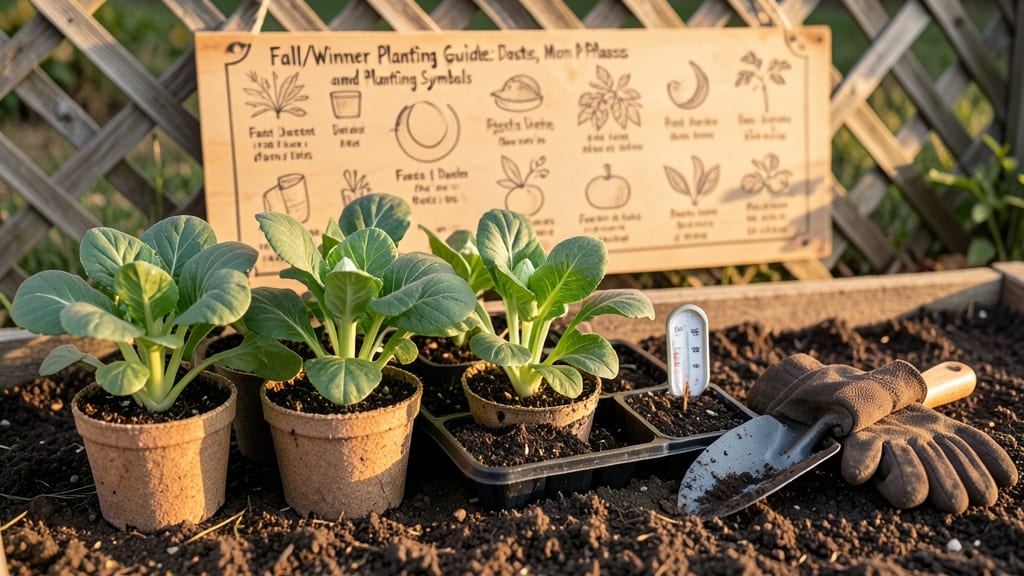
If you're growing bok choy 🥬 in Zone 9, timing your plantings is the secret to avoiding bitter leaves and bolting plants. The right window means crisp, fast harvests instead of disappointment—so let's get this straight: fall and winter are your golden opportunities.
Zone 9's mild winters and warm falls create perfect conditions for bok choy, but summer heat will send it running to seed faster than you can say "harvest."
I've learned the hard way that planting too early in September can lead to stunted growth, while waiting until November might mean missing out on your first taste of homegrown greens.
Here's what you need to know: the ideal planting window spans from late September through early November, with a second chance in December if you're patient. These months balance cool temperatures with enough daylight to keep your bok choy happy and productive.
With the right timing, you could be enjoying fresh, tender bok choy in just 30 days—no waiting months for harvests. Let's break down exactly when to plant for maximum success in your Zone 9 garden.

Optimal bok choy planting calendar for Zone 9: month-by-month breakdown
In Zone 9, where temperatures stay mild year-round, bok choy grows best during cool-season windows. The key is avoiding summer heat (above 85°F) and spring bolting—both of which turn your crisp greens bitter or flowery. Here’s my exact planting schedule to maximize harvests.
Zone 9’s frost-free climate means you can grow bok choy almost year-round, but timing matters. Start in fall for winter harvests, then again in winter for spring. This two-phase approach ensures a continuous supply of tender leaves.
🌱
For fall plantings, aim to sow seeds by mid-October to ensure harvests before winter solstice. Bok choy matures in just 30–45 days, so staggered sowings every 2 weeks keep your kitchen stocked. Use shade cloth (30–50%) if daytime temps exceed 80°F.
Winter plantings thrive in Zone 9’s mild climate, but watch for dry winds that dehydrate soil. Mulch with straw to lock in moisture, and choose compact varieties like 'Baby Bok Choy' for smaller gardens. Harvest before spring equinox to avoid bitterness.
🌿
Pro tip: Direct-sow seeds—bok choy hates transplant shock. Space seeds 1 inch apart in rows 12 inches apart, and thin seedlings to 4 inches apart when they’re 2 inches tall. This spacing prevents disease and ensures even growth.
If you’re new to bok choy, start with 2–3 plants to test your soil. Bok choy prefers loamy, well-draining soil with a pH of 6.0–7.0. Amend heavy clay with compost or sand to improve drainage—waterlogged roots lead to rot.
💧
For year-round success, pair bok choy with companion plants like bush beans or radishes. These plants repel pests (like aphids) and improve soil structure. Avoid planting near tomatoes or peppers, which compete for nutrients.
Remember: Consistent moisture is critical. Bok choy’s shallow roots dry out fast in Zone 9’s sun. Water deeply every 2–3 days, aiming for 1 inch of water per week. Use drip irrigation to keep leaves dry and prevent fungal diseases like downy mildew.
☀️
Optimal bok choy planting calendar for Zone 9: month-by-month breakdown
Zone 9 gardeners enjoy year-round bok choy growth, but timing matters to avoid bolting or heat stress. Bok choy thrives in 60-75°F soil—too hot or cold, and your harvest suffers.
Here’s the exact planting schedule for two peak windows: fall and winter, with bonus tips for summer shade gardening.
Fall planting (September–November) yields the sweetest, crispest bok choy, while winter plantings (December–February) extend harvests into spring. Skip summer—heat above 80°F causes bolting within weeks. Use this calendar to align plantings with maturity timelines (21–45 days) and avoid gaps in your kitchen garden.
| Season | Planting Window | Ideal Soil Temp | Maturity Timeline | Harvest Months |
| Fall | September–November | 60–75°F | 21–30 days | October–December |
| Winter | December–February | 55–70°F | 30–45 days | January–March |
| Summer (Shade) | June–July (with shade) | 65–75°F | 21–28 days | July–August |
For continuous harvests, stagger plantings every 2–3 weeks in fall and winter. Start with September sowings for early October harvests, then follow with October and November batches to extend yields through December. Winter plantings in December–January mature just in time for spring’s peak demand.
Zone 9’s mild winters (rare frosts) let you grow bok choy nearly year-round, but avoid planting after February. By March, daytime temps creep above 75°F, triggering bolting.
Use shade cloth (30–50%) for summer plantings to keep soil temps cool—this buys you 4–6 weeks of edible growth before heat stress sets in.
Pro tip: Direct-sow seeds for fastest results—bok choy hates transplants. Space seeds 6 inches apart in rows 12 inches apart for optimal airflow. Thin seedlings to 8–10 inches apart to prevent crowding, which leads to pests and disease.
Mulch with straw or grass clippings to retain moisture and suppress weeds.
Monitor your microclimate—coastal Zone 9 areas stay cooler longer, while inland spots may need earlier fall plantings. If your garden hits 80°F+ for 3+ days, harvest immediately or provide dappled shade to delay bolting. With this schedule, you’ll enjoy tender, baby bok choy for 10+ weeks straight.