
Planting
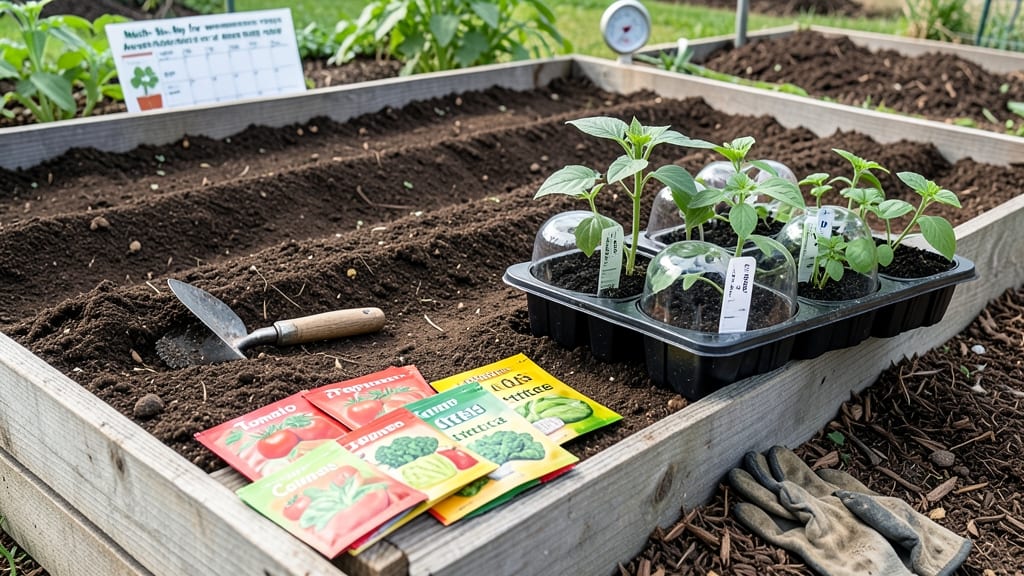
Timing your garden planting in North Carolina could make the difference between a bountiful harvest and wasted effort. The perfect moment to plant depends on your crop, your local heat zone, and even whether you're in the Piedmont or Coastal Plain.
I’ve spent years watching gardens thrive—and fail—based on when seeds hit the soil. For example, cool-loving 🌱 Garden varieties like lettuce and peas need to go in early spring, while heat-loving tomatoes and peppers wait until after the last frost. But how do you know when that exact moment arrives?
This guide breaks down the science behind NC’s planting windows, from USDA Zone 7a’s earlier springs to Zone 8b’s extended growing seasons. You’ll learn which crops to plant in spring, how to adjust for microclimates, and even how to push the limits with row covers.
Whether you’re a first-time gardener or a seasoned pro, getting the timing right means more produce, less frustration, and a game-changer for your harvest. Let’s get started.
NC planting calendar by USDA heat zones (7a-8b)
North Carolina spans USDA zones 7a through 8b, meaning your last spring frost could arrive weeks earlier in the mountains than on the coast. For example, Asheville (7a) typically sees its last frost by April 15, while Wilmington (8b) averages March 15.
These differences dictate when to plant cool-season crops like broccoli versus warm-season favorites like peppers.
To simplify, I’ve organized planting windows by month and zone, including when to start seeds indoors, transplant seedlings, and direct-sow outdoors. The key is aligning your planting with soil temperatures and frost-free periods.
For instance, tomatoes need 60°F soil to thrive, while lettuce bolts in 75°F+ heat—timing matters!
Pro Tip: Use NC State Extension’s frost date calculator (link in resources) to pinpoint your exact zone’s averages. Even within a zone, microclimates—like urban heat islands or sheltered valleys—can shift planting by 1-2 weeks.
| Zone | Last Spring Frost | First Fall Frost | Cool-Season Crops (Direct Sow) | Warm-Season Crops (Transplant) |
|---|---|---|---|---|
| 7a (Mountains) | April 15–May 1 | October 15–November 1 | March–April (peas, spinach) | May 15–June 1 (tomatoes, peppers) |
| 7b (Piedmont) | March 20–April 5 | October 1–October 15 | February–March (lettuce, carrots) | April 15–May 10 (okra, sweet potatoes) |
| 8a (Coastal Plains) | March 1–March 15 | November 1–November 15 | January–February (radishes, kale) | March 15–April 1 (eggplant, basil) |
| 8b (Outer Banks) | February 15–March 1 | December 1–December 15 | December–January (turnips, collards) | February 15–March 10 (squash, cucumbers) |
*Adjust dates 1–2 weeks earlier for urban areas or later for high-elevation spots.
For cool-season crops, aim to plant 4–6 weeks before your last frost date. For example, in zone 7b (Piedmont), sow spinach by February 15 to harvest before summer heat. Warm-season crops like peppers need 80°F+ soil, so wait until after May 1 in most zones.
Use row covers or cold frames to extend spring planting by 2–3 weeks in cooler zones. For instance, I’ve successfully grown broccoli in zone 7a by starting seeds in February under covers, then transplanting in April after the last frost.
Fall planting follows the reverse logic: direct-sow cool-season crops 60–90 days before your first frost. In zone 8a, that means late July for radishes (fast growers) and early August for kale (slower). Garlic is the exception—plant in October–November for next year’s harvest!
Remember: Soil temperature trumps calendar dates. Use a soil thermometer ($10 at garden centers) to confirm 60°F+ for warm-season crops. I’ve seen tomato seedlings fail in 55°F soil even if the air was warm—don’t skip this step!
For container gardening, adjust timelines by 1–2 weeks earlier since pots warm up faster. For example, I plant basil in containers by April 1 in zone 7b, while in-ground planting waits until May 1.
🌱
Best crops to plant in NC by season (with local tips)
North Carolina’s four distinct seasons create the perfect conditions for growing a year-round garden. In spring, focus on cool-season crops like peas and lettuce that thrive in 50-60°F soil. Meanwhile, summer brings heat-loving varieties such as okra and sweet potatoes that need 75-85°F soil to germinate.
Fall is ideal for hardy greens like kale and radishes, while winter offers a chance to plant garlic and onions—both of which benefit from North Carolina’s mild winters. Each season has its own best-performing crops, and knowing which to plant when can double your harvest.
Here are the top crops for each season, along with NC-specific tips to maximize your garden’s potential:
For extended growing seasons, consider using row covers or cold frames in spring and fall. This can add 2-4 weeks to your planting window, especially in Zone 7a where frosts are more common.
Pro tip: Test your soil in early spring to ensure it has the right nutrients. NC’s clay-heavy soils often need compost or sand for better drainage. A simple pH test will tell you if your soil needs lime (to raise pH) or sulfur (to lower it).
By aligning your planting schedule with NC’s seasons, you’ll enjoy a continuous harvest from spring through fall—and maybe even winter! The key is starting early for cool crops and waiting for warmth for heat lovers. Happy planting! 🌱