
Plants
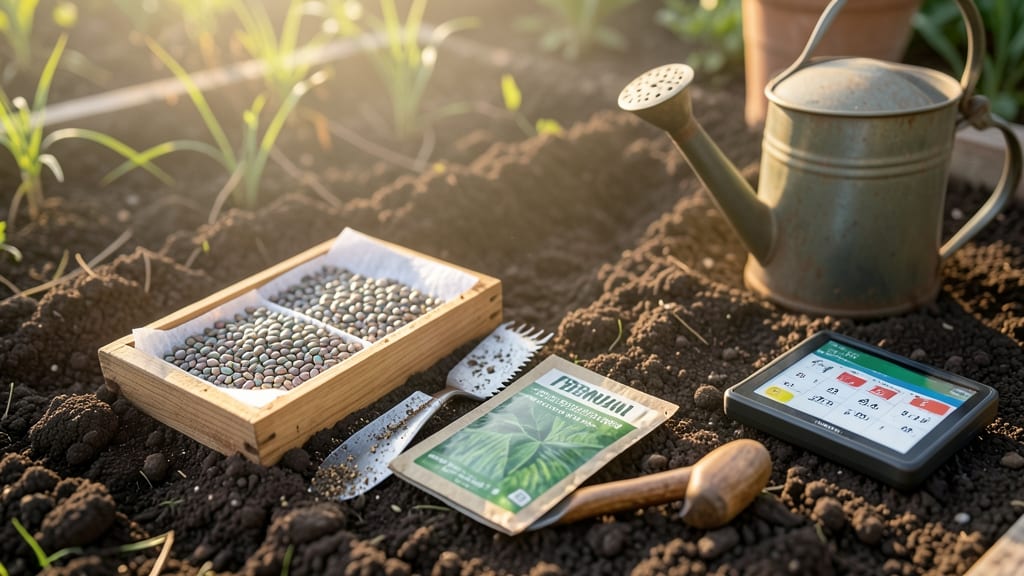
Planting grass seed in Texas at the wrong time can turn your green dream into a brown disappointment—especially when scorching summers and unpredictable rains come into play.
The key isn’t just picking a month from the calendar; it’s understanding your specific heat zone to give your lawn the best possible start.
Whether you’re in North Texas’s 8a-10b zones or South Texas’s warmer stretches, timing matters more than you might think.
Cool-season grasses like Tall Fescue thrive when planted in late summer to early fall, while warm-season varieties like Bermuda or St. Augustine need that early spring window to take root before summer heat sets in.
But here’s the catch: rushing the process or waiting too long can leave your seed struggling against Texas’s extreme conditions. I’ll walk you through the exact months to plant based on your region, plus soil prep tips to ensure your grass seed germinates strong and stays resilient all year.
Skip the guesswork—let’s get your lawn off to the right start, Texas-style.
Best months to plant grass seed in Texas by heat zone
Texas’ diverse climate zones mean planting grass seed isn’t a one-size-fits-all task. Whether you’re in North Texas or South Texas, timing your seed drop to avoid extreme heat and drought stress is key.
The best windows are late summer to early fall (August–October) or early spring (February–March), but your exact zone dictates the finer details.
For North Texas (USDA Zones 7b–8a), think of September–October as your prime window. This gives seeds time to germinate before winter’s chill sets in. Meanwhile, South Texas (Zones 8b–10a) gardeners should aim for late August–September to beat the worst of the summer heat.
Spring planting is trickier—too early, and you risk freeze damage; too late, and the sun scorches tender sprouts.
Here’s how to align your planting with Texas’ three main heat zones for maximum success:
The soil temperature is your best guide—aim for 60°F–75°F during germination. Use a soil thermometer ($10 at garden centers) to check depth (2–4 inches). If temps creep above 85°F, seeds may dry out before sprouting. Early morning planting helps retain moisture longer.
For cool-season grasses like Tall Fescue, September–October is ideal—they’ll establish roots before winter. Warm-season grasses (Bermuda, St. Augustine) thrive when planted in late summer so they’re ready for fall rains and spring growth. Pro tip: Overseed warm-season grass in fall for a lush winter look.
Texas’ unpredictable rains add another layer. Plant when drought warnings are lifted but before hurricane season (June–November) kicks in. If you miss the fall window, early spring (February) is your backup—but rush to cover seeds with straw mulch if a freeze warning pops up.
One critical rule: Never plant during peak summer (May–July). The sun’s intensity and drought stress will turn your seed into crispy confetti. Even shade-loving grasses struggle here. Instead, prep the soil in summer—till, test pH, and remove weeds—so you’re ready to plant when conditions improve.
If you’re repairing a patchy lawn, focus on small sections (under 20 sq ft) during the optimal windows. Larger areas? Split the project over 2–3 weeks to avoid moisture loss.
And always water deeply (1–1.5 inches weekly) for the first 30 days—Texas winds evaporate moisture faster than you’d think.
Finally, choose your grass type wisely. Bermuda and Zoysia dominate South Texas, while Tall Fescue rules North Texas. St. Augustine loves Central Texas’ humidity but needs more water. Match your seed to your zone and lifestyle—drought-tolerant Buffalo Grass is a great native option for low-maintenance lawns.
Timing your Texas grass seed right isn’t just about the calendar—it’s about reading the climate like a pro. With the right month, soil temp, and prep, you’ll be mowing a lush lawn in no time. 🌱
Best months to plant grass seed in Texas by heat zone
Texas’s diverse heat zones mean your grass seed timing should depend on whether you’re in North, Central, or South Texas.
Cool-season grasses like Tall Fescue and Ryegrass thrive when planted in late summer to early fall (August–October), while warm-season varieties such as Bermuda and St. Augustine need that early spring window (February–March) to avoid summer stress.
For North Texas (USDA Zones 7b-8a), aim for September–October to beat the heat, while Central Texas (Zones 8a-8b) gardeners should plant in August–September. In South Texas (Zones 9a-10b), stretch your window to late July–early October to take advantage of cooler temperatures.
Here’s the breakdown of your ideal planting windows by region, including soil temperature goals and key considerations:
| Region | Best Months | Soil Temp Goal | Grass Types | Key Tip |
|---|---|---|---|---|
| North Texas (7b-8a) | September–October | 60°F–75°F | Tall Fescue, Ryegrass | Avoid summer heat; water deeply. |
| Central Texas (8a-8b) | August–September | 65°F–75°F | Bermuda, Zoysia | Test soil moisture weekly. |
| South Texas (9a-10b) | Late July–October | 70°F–80°F | St. Augustine, Centipede | Use shade cloth if planting early. |
If you’re planting warm-season grasses in early spring, aim for February–March in North Texas and January–February in South Texas. The goal is to establish roots before summer’s 100°F+ soil temperatures arrive. For cool-season grasses, late summer is critical—it gives seedlings time to root before winter dormancy.
Pro tip: Use a soil thermometer to confirm temperatures. If your soil runs hotter than 80°F, wait until evening to plant or use shade cloth to protect young seedlings. Texas summers are no joke, and overheated soil can kill grass seed before it germinates.
Once you’ve picked your window, the next step is soil prep. Skipping this can leave your seed struggling—more on that in the next section. For now, mark your calendar and get ready for a lush, Texas-tough lawn.