
Planting
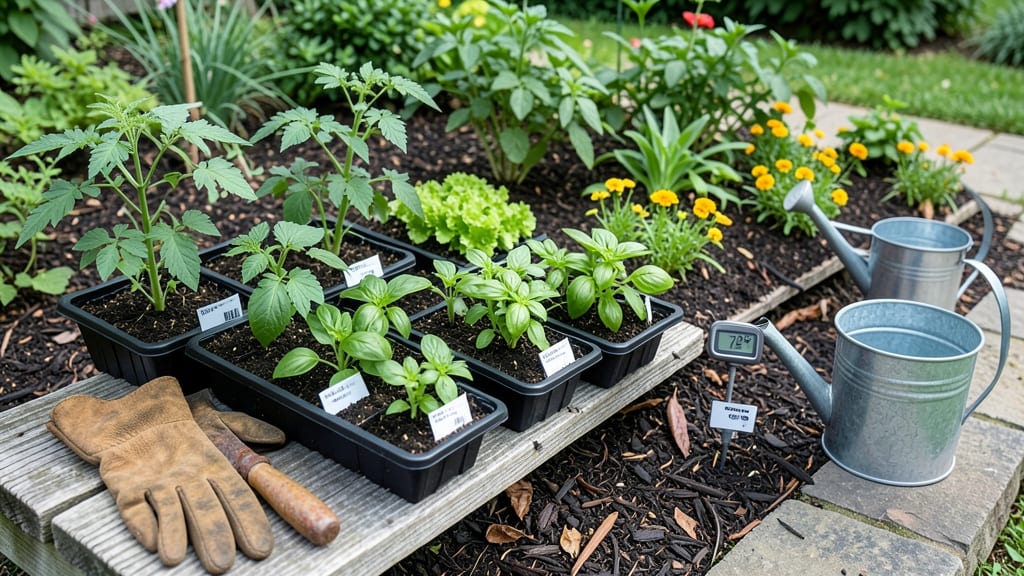
Timing your garden planting in Tennessee wrong could mean the difference between a thriving harvest and a sad pile of frost-killed seedlings. With USDA zones 6a-7b and unpredictable spring weather, knowing the exact windows is the key to success.
Most Tennessee gardeners plant their 🌱 General Garden Plants between March and May, but the real magic happens after the last average frost date—usually mid-April. That’s when your soil warms up enough for warm-season crops like tomatoes and peppers to take off.
But here’s the catch: Fall planting (August-September) can be just as productive, especially for cool-season crops like broccoli and spinach. The trick is understanding how your local microclimate—whether you’re in the mountains or the Memphis delta—affects frost dates and growing conditions.
I’ll break down the exact planting schedules, soil prep tips, and how to adjust for Tennessee’s unique climate. By the end, you’ll know exactly when to put those seeds in the ground for a bumper crop—no guesswork required.
Tennessee planting zones & frost dates: your 2024 calendar
Tennessee spans USDA zones 5b through 8a, creating wildly different planting windows from the cool mountain valleys to the humid river bottoms. The last spring frost can arrive as early as March 15 in Memphis but linger until May 1 in the Smokies.
Meanwhile, the first fall frost hits October 15 in Nashville but may not arrive until November 1 in Chattanooga. These dates dictate whether your tomatoes thrive or your peppers bolt.
To avoid costly mistakes, I’ll break down the critical frost dates by region and show you how to use them to plan your spring and fall planting windows.
Whether you’re in zone 6b (Nashville) or zone 7a (Memphis), knowing these deadlines means the difference between a bountiful harvest and a wasted season.
🌱 Key Tip: Always check your local extension office for microclimate adjustments—urban areas like Nashville can be 5°F warmer than rural zones just 20 miles away.
| Region | USDA Zone | Last Frost (Spring) | First Frost (Fall) | Spring Planting Window | Fall Planting Window |
|---|---|---|---|---|---|
| East Tennessee (Smokies) | 5b-6a | April 20-May 5 | October 15-November 1 | April 15-May 15 | August 15-September 15 |
| Middle Tennessee (Nashville) | 6b-7a | March 30-April 15 | October 10-October 25 | March 20-April 30 | August 1-September 10 |
| West Tennessee (Memphis) | 7b-8a | March 15-April 1 | November 1-November 15 | February 28-April 15 | August 15-October 1 |
📅 Pro Tip: Use row covers to extend spring planting by 2-3 weeks in cooler zones.
Your spring planting window officially opens 2 weeks after your last frost date. For example, in Nashville (zone 6b), where the last frost typically hits April 10, you can safely plant cool-season crops like lettuce by April 24.
But warm-season lovers like tomatoes need soil temps above 60°F, so wait until May 1—or use black plastic mulch to warm the soil faster.
Fall planting follows the opposite rule: seed 6-8 weeks before your first frost. In Memphis (zone 7b), that means July 15 for broccoli or August 1 for spinach.
Miss this window, and your cool crops will bolt or freeze before harvest. I’ve seen home gardeners lose entire fall gardens by planting too late—don’t let that be you!
For herbs and perennials, timing matters too. Rosemary and thyme thrive when planted in early spring (March-April), while basil must wait until after May 15 to avoid frost damage. Even asparagus crowns need to be planted in early spring so they establish roots before summer heat arrives.
🌡️ Soil Temperature Check: Use a soil thermometer—warm-season crops like peppers need 70°F+ soil, while beans tolerate 60°F+. Planting too early in cold soil stunts growth and attracts pests like cutworms.
Don’t forget fall-planted crops like garlic and onions, which need to establish roots in cool weather but can’t handle freezing ground. Plant them in October so they overwinter and produce next summer.
I’ve had garlic growers in Chattanooga swear by planting in November—just cover with straw mulch to protect from early frosts.
Finally, trees and shrubs have their own rules. Bare-root plants should go in dormant season (late fall or early spring), while container-grown perennials can be planted year-round—just water deeply after transplanting. My hydrangeas in zone 6b always do best
Best vegetables to plant by Tennessee season: cool vs. warm crops
Tennessee’s spring planting season kicks off in March for cool-season crops like lettuce and spinach, but warm-season favorites such as tomatoes and peppers need to wait until after the last frost—typically mid-April. I’ve planted both too early, and trust me, those seedlings won’t survive a surprise frost.
For fall planting, focus on August-September for cool-season crops like broccoli and kale. These thrive in cooler temps and can even handle light frosts. My best harvests come from late-summer plantings that avoid the summer heat.
Here’s the key distinction: Cool-season crops (like carrots and onions) love temps between 45°F-75°F, while warm-season crops (like beans and squash) need soil temps above 60°F. Planting warm crops too early? You’ll end up with stunted, leggy plants.
✅ Cool-Season Crops (Plant Early or Late)
Pros:
- Thrives in cooler temps
- Less pest pressure
- Can handle light frost
Cons:
- Bolts in heat
- Slower growth rate
- Needs consistent moisture
❌ Warm-Season Crops (Plant After Last Frost)
Pros:
- Faster growth
- Higher yield potential
- Resists disease in heat
Cons:
- Needs warm soil
- Struggles in frost
- More water needs in summer
To extend your growing season, use row covers or cold frames for early spring/fall plantings. I’ve added row covers to my spinach beds in late winter, and they’ve let me harvest 3 weeks earlier than neighbors without them.
For container gardening, warm-season crops like peppers and eggplants need to be planted 2-3 weeks later than in-ground plants—they heat up faster. My balcony tomatoes always ripen later because containers cool down quicker at night.
Pro tip: Check soil temps with a soil thermometer before planting warm crops. If it’s below 60°F, wait—your seedlings will thank you. And always mulch after planting to keep roots cool and moist during Tennessee’s humid summers.