
Plants
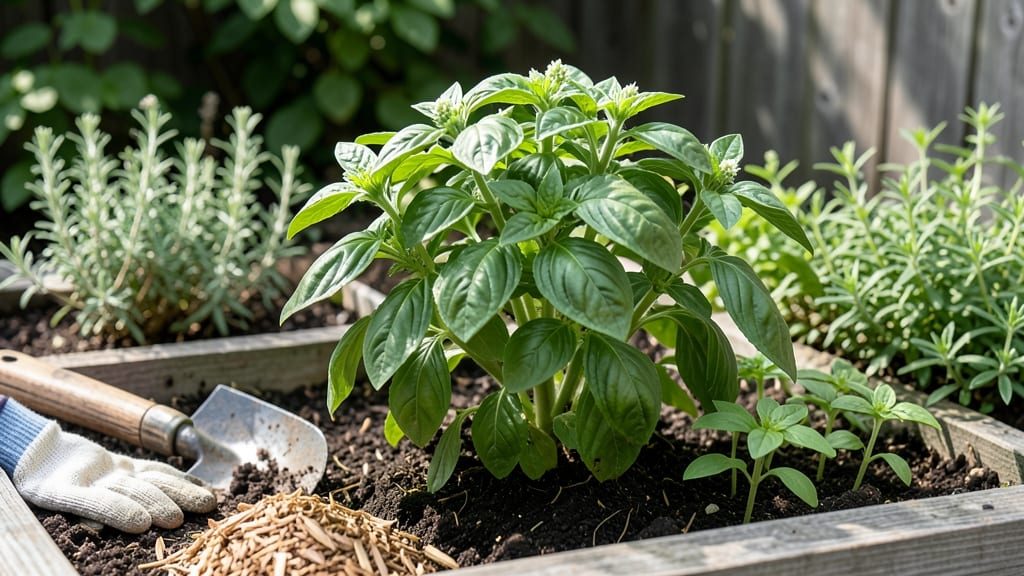
Timing your basil planting in Michigan can mean the difference between a thriving 🌿 harvest and wasted effort. If you plant too early, frost will nip those tender seedlings in the bud—literally. But get the window just right, and you’ll enjoy fresh basil from June through October.
Michigan’s 5b-6b zones give you a narrow but critical window: April 15 to May 31, once soil warms to at least 50°F. Waiting until after the last frost isn’t just smart—it’s essential for basil that hates cold snaps.
I’ll break down exactly how to time it, whether you’re direct-sowing seeds or transplanting starts.
You might think container gardening limits your options, but it actually gives you more control—especially in Michigan’s unpredictable spring. I’ll share my top strategies for extending your growing season, from row covers to indoor starts, so you can avoid the common pitfalls that trip up even experienced gardeners.
Ready to grow basil that’s bushier, more flavorful, and harvested at peak freshness? Let’s dive into the exact steps to make your Michigan garden a basil powerhouse—no guesswork, just results.
Michigan basil planting deadlines by hardiness zone (with frost risk charts)
Michigan’s USDA hardiness zones 4-7 create a tricky timeline for basil—too early and frost zaps seedlings, too late and summer heat arrives before you harvest.
The average last frost date hovers around April 15, but northern zones (like zone 4) can experience late frosts until May 10, while southern zones (like zone 7) may be safe by April 1. Always check your local Almanac frost dates for precision.
Basil thrives when soil temperatures hit at least 50°F—a critical threshold that often aligns with Michigan’s last frost date. In my zone 5b garden, I’ve learned to wait until mid-May for in-ground planting, even if frost risk drops earlier, because cool soil stunts growth.
For containers, which warm faster, I plant 2 weeks earlier once nighttime temps stay above 45°F.
Key rule: Never plant basil outdoors until you’ve confirmed 3 consecutive nights above 50°F. Use a soil thermometer—basil roots need warmth to establish quickly. In zone 6b, this typically means late April to early May, while zone 4 gardeners should aim for late May.
Michigan’s short growing season (about 165 frost-free days) demands efficiency. Basil matures in 45-60 days, so late plantings risk bolting or stunted growth before the first frost.
My zone 5b deadline is June 1—after that, I switch to container growing on patios or balconies to extend the season.
Pro tip: Use row covers to plant basil 2 weeks earlier in zones 4-5. These lightweight fabrics protect seedlings from late frosts while allowing sunlight. I’ve successfully planted basil in early April under covers, harvesting by late June—a full month earlier than traditional timelines!
Container gardeners have a slight edge in Michigan. Pots warm faster and can be moved to sheltered spots during cold snaps. I start my potted basil in late April (zone 5b) and move it indoors before October 15, the average first frost date.
This 120-day extension gives me 3 harvest cycles instead of just one.
Here’s the visual frost-risk breakdown for Michigan zones—your cheat sheet for basil planting windows and harvest timelines:
| Zone | Last Frost Date | Safe Planting Window | Harvest Timeline | Notes |
|---|---|---|---|---|
| 4a | May 5–15 | Late May–Early June | July–Mid-Sept | Use row covers; containers ideal |
| 5a | April 25–May 5 | Early May–Mid-May | Late June–Sept 15 | Start indoors early; transplant after May 10 |
| 5b | April 15–25 | Late April–Early June | Late June–Oct 1 | Best zone for traditional outdoor planting |
| 6a | April 1–15 | Early April–Late May | June–Oct 10 | Can plant earlier; watch for late frosts |
| 7a | March 25–April 10 | Early April–Early June | May–Oct 15 | Longest growing season; succession plant |
⚠️ Frost Risk Alert: Northern zones (4-5) have 30% chance of late frosts after average last frost date.
For zone 5b gardeners like me, the sweet spot is planting basil between April 25 and May 15. This gives seedlings 4-6 weeks to establish before summer heat peaks.
I’ve found that Genovese basil matures fastest in these conditions, delivering harvest-ready leaves by late June—just in time for tomato season!
If you’re in zone 4, don’t despair—container growing or row covers can shift your planting window 2-3 weeks earlier. I’ve had success with 5-gallon fabric pots filled with well-draining potting mix and placed on heat-resistant saucers. These stay 5°F warmer than in-ground soil, accelerating growth.
Remember
How to extend your basil growing season in Michigan (for earlier harvests)
Michigan’s short growing season can feel like a race against time for basil lovers. But with the right strategies, you can start harvesting as early as June—or even push your season into late October—by extending your basil’s growing window.
The key? Indoor starts, protective covers, and smart transplanting techniques tailored to Michigan’s unpredictable springs.
I’ve tested these methods in my own garden, and the results speak for themselves: earlier harvests, bigger yields, and basil that thrives when others give up.
Whether you’re dealing with late frosts in Zone 5b or heatwaves in Zone 6b, these tricks will give your basil the head start it needs.
Here’s my step-by-step guide to beating Michigan’s climate challenges—no matter where you live in the state. The goal? Maximize your basil’s time in the ground while avoiding the two biggest pitfalls: frost damage and bolting from heat stress.
- 📅 Start Indoors (8-10 Weeks Before Last Frost)
Sow seeds in biodegradable pots under grow lights (6-8 hours/day) by mid-March. Harden off seedlings for 1-2 weeks before transplanting after May 1. - 🛡️ Use Row Covers (After Frost Risk)
Cover young plants with floating row covers until soil warms to 55°F+. Lift covers on warm days to prevent overheating. - 🌡️ Transplant Late-Season Starts (August)
Buy young basil plants in late August and grow them in containers on a sunny porch. Harvest until first frost (October 15). - ❄️ Overwinter Indoors (For Year-Round Basil)
Move potted basil indoors before first frost, place near a south window, and reduce watering. Prune back in spring to encourage new growth.
Each of these methods has its own sweet spot in Michigan’s climate. For example, indoor starts are my go-to for Zone 5b gardeners who face late frosts, while row covers work best in Zone 6b where soil warms faster.
The key is adapting based on your local frost dates—check the Michigan State University Garden Hotline for updates if you’re unsure.
Pro tip: Pair these strategies with container gardening. Pots give you mobility—move them indoors or under cover when nighttime temps dip below 50°F. I’ve even kept basil alive through Michigan winters on a sunny windowsill, though flavor peaks in summer.
Remember, basil is sensitive to cold but hates heat stress. Balance is everything. If you live in southern Michigan (Zone 6b), you might push basil until October 15 with row covers.
But in northern Michigan (Zone 5b), aim for harvesting by September 1 to avoid bolting. Adjust your timeline based on your zone—and don’t forget to harvest regularly to keep plants productive!