
Plants
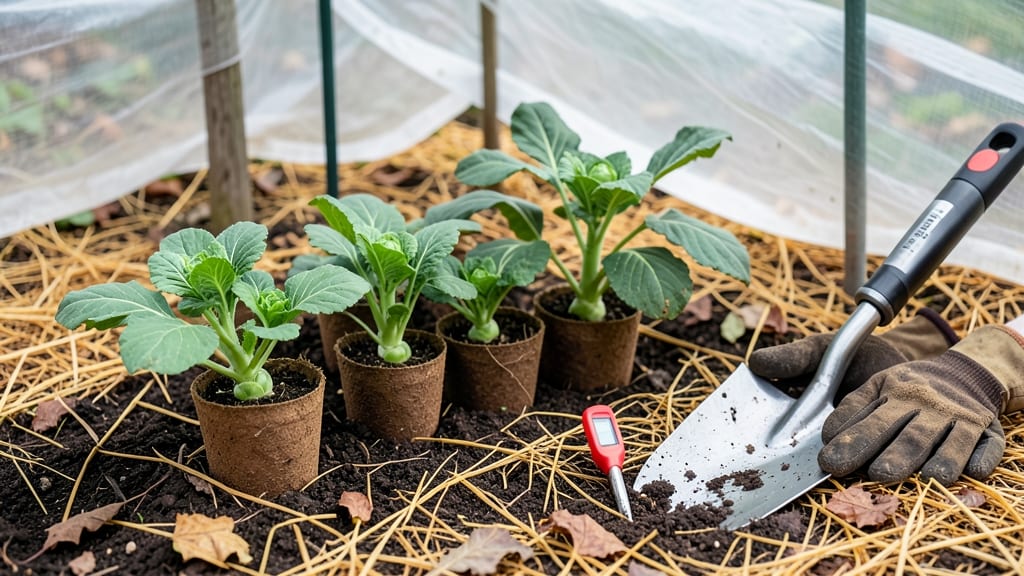
Planting Brussels sprouts in Arkansas can feel like a high-stakes game of timing—get it wrong, and you might end up with bitter-tasting sprouts or a harvest that never comes. The key lies in understanding your USDA 7a-8a zone's frost-free windows, which can shift dramatically between spring and fall.
If you've ever wondered why some gardeners in Arkansas pull in 🥦 harvests while others struggle, it often comes down to planting too early or too late.
Arkansas's mild winters and hot summers create a unique challenge: you need to start seeds indoors or transplant young plants at just the right moment to avoid bolting in summer heat or freezing in unexpected cold snaps.
In this guide, I'll break down the exact planting windows for both spring and fall crops, including how to adjust for Arkansas's unpredictable weather patterns. You'll learn which varieties thrive best in your heat zone and how to prepare your soil for maximum success.
Whether you're a first-time gardener or a seasoned pro, getting your Brussels sprouts in the ground at the perfect time means the difference between a bountiful harvest from October to December and a season of disappointment. Let's get those sprouts growing!
Arkansas heat Zone planting calendar for Brussels sprouts success
Arkansas’ USDA heat zones 6b-8a create perfect conditions for Brussels sprouts, but timing is critical. The state’s mild winters and hot summers demand precise planting windows to avoid bitter-tasting sprouts or premature bolting. Let’s break down the ideal transplant dates and soil temperature requirements for each zone.
Northern Arkansas (Zone 6b-7a) has earlier frost dates than the southern half, meaning your fall planting window closes sooner. Meanwhile, Zone 8a gardeners enjoy a longer growing season but must watch for unpredictable cold snaps in late fall.
Understanding these differences ensures you plant 4-6 weeks before the first frost for a successful harvest.
For spring planting, aim for late March to early April when soil temperatures reach 45°F (7°C).
This gives plants enough time to mature before summer heat stresses them. Fall planting, however, is trickier—start seeds late July to early August for transplants ready by mid-September, ensuring harvests before November’s first frost.
🌱
| Zone | Last Frost | Spring Planting | Fall Planting | Soil Temp |
|---|---|---|---|---|
| 6b (NW Arkansas) | March 15 | Late March | Late July | 45°F (7°C) |
| 7a (Central AR) | March 20 | Early April | Early August | 45°F (7°C) |
| 7b (South AR) | March 25 | Early April | Mid-August | 45°F (7°C) |
| 8a (SE AR) | April 1 | Late April | Late August | 45°F (7°C) |
*Adjust for microclimates—valleys frost earlier than hills.
In Zone 6b, where frosts linger until mid-March, prioritize fall planting for harvests before November’s hard freeze. Start seeds indoors in June and transplant by mid-August to beat the clock.
Meanwhile, Zone 8a gardeners can push fall planting to late August, thanks to later frosts, but watch for unpredictable cold snaps in October.
Soil temperature is non-negotiable—Brussels sprouts won’t germinate below 45°F (7°C). Use a soil thermometer to confirm readiness, especially in northern Arkansas, where cooler soils delay spring planting. Amend heavy clay soils with compost to improve drainage, as waterlogged roots invite rot.
Pro tip: Direct-sow seeds in late spring (May) for a summer crop, but expect smaller sprouts due to heat stress. For best results, stick to spring and fall plantings and choose cold-hardy varieties like ‘Long Island Improved’ or ‘Ruby’, which tolerate Arkansas’ mild winters better than others.
🌿
If you’re in Zone 7a or 7b, where last frosts average March 20-25, your spring planting window opens earlier than in colder zones. Take advantage by starting seeds indoors in February for transplants ready by early April.
This head start ensures full-grown plants by summer’s peak heat, avoiding the bitter flavor that develops when plants struggle in 90°F+ temperatures.
For fall harvests, Zone 7a gardeners should aim to transplant by mid-August, leaving 90-100 days to maturity before November’s first frost. Use row covers in October to extend the season by 2-3 weeks, protecting tender sprouts from light freezes (down to 25°F (-4°C)).
🪴
Remember: Brussels sprouts need 6-8 hours
Arkansas heat Zone planting calendar for Brussels sprouts success
Arkansas gardeners face a unique challenge with Brussels sprouts—our USDA 7a-8a zones mean you can grow them in both spring and fall, but the timing must be precise. Plant too early, and summer heat will cause bolting. Plant too late, and frost will ruin your harvest before sprouts mature.
For spring planting, aim for late March to early April in northern Arkansas (Zone 7a) and mid-March to mid-April in southern Arkansas (Zone 8a). This gives plants enough time to establish before summer heat arrives.
Fall planting should occur 80-90 days before your first frost, typically late July to early August.
Soil temperature is critical—Brussels sprouts need 45-55°F soil to germinate. Use a soil thermometer to check before planting. In Arkansas, soil warms up faster in southern regions, so adjust your schedule accordingly.
🌱 Brussels Sprout Planting Timeline for Arkansas
| Stage | Zone 7a (North AR) | Zone 8a (South AR) |
|---|---|---|
| Start Seeds Indoors | Late February | Early February |
| Transplant Outdoors (Spring) | Late March - Early April | Mid-March - Mid-April |
| Direct Sow (Fall) | Late July - Early August | Early July - Mid-August |
| Harvest Window | October - December | October - December |
Northern Arkansas gardeners should prioritize fall planting for the best results, as spring crops often struggle with summer heat. Southern Arkansas gardeners can attempt both seasons but must monitor weather closely—unexpected cold snaps in October can damage young plants.
Pro tip: Use row covers or cold frames to extend your fall harvest by 2-3 weeks. This simple trick can mean the difference between a full harvest and wasted plants.
Always check your local frost dates—Arkansas's first frost can vary by 2-3 weeks from year to year. Planting too late for fall means bitter, undersized sprouts by harvest time.