
Plants
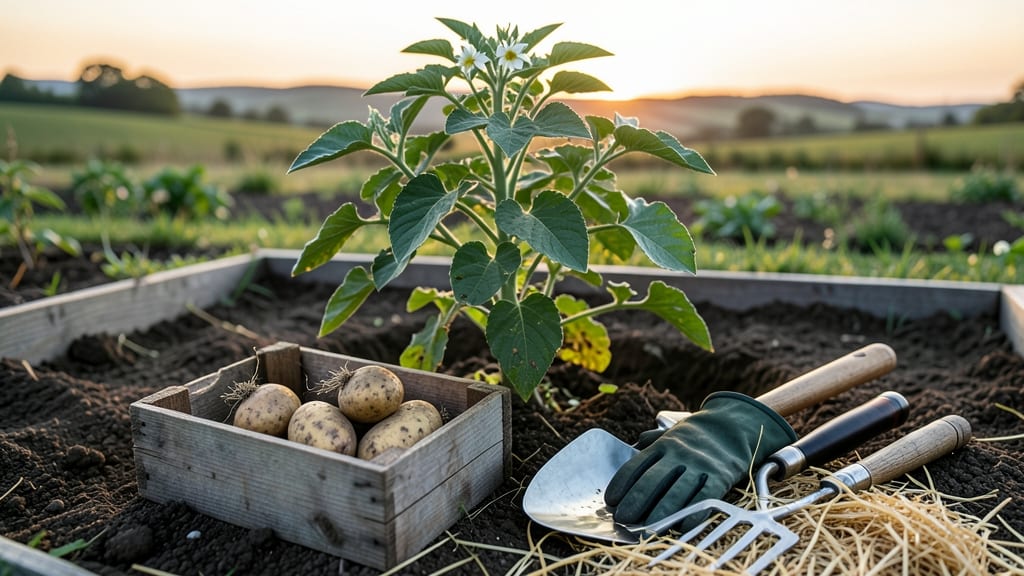
Timing when do you plant potatoes in North Carolina can make the difference between a bumper crop and a disappointing harvest. With USDA zones 7a-8b offering mild winters and long growing seasons, you’ve got a prime opportunity—but getting the dates wrong could mean stunted growth or pest problems.
Most gardeners in North Carolina plant potatoes in early spring (February-March), but late winter (January-February) is also viable for cold-hardy varieties. The key is planting 2-4 weeks before your last frost date, when soil temperatures hit 45°F, ensuring strong tuber development before summer heat arrives.
If you’re unsure which varieties suit your microclimate—whether you’re in the Piedmont or Coastal Plain—I’ll break down the best options and how to adjust planting based on soil conditions. Let’s get your potato patch off to the right start this season.
By the end, you’ll know exactly when to plant for maximum yield, how to prep your soil, and which varieties thrive in North Carolina’s unique climate. Ready to dig in?
North Carolina planting zones: exact dates for early, mid, and late potato varieties
North Carolina’s diverse climate—from the mountainous west to the coastal plains—means potato planting dates vary dramatically. Most of the state falls in USDA Zones 7a-8b, but microclimates create 3-4 week differences in ideal planting windows.
Early varieties thrive in Zone 7a, while heat-tolerant types suit Zone 8b.
For cold-hardy varieties (like 'Kennebec'), plant as early as mid-February in the mountains. In Zone 8a (Coastal Plain), wait until early March to avoid frost damage. Late varieties (e.g., 'Red LaSoda') can even go in April for summer harvests.
Here’s how to match your USDA zone to the perfect planting window:
| Zone | Early Varieties | Mid Varieties | Late Varieties | Last Frost Risk |
|---|---|---|---|---|
| 7a (Mountains) | Mid-February | Late February | Early March | Late March |
| 7b (Piedmont) | Late February | Early March | Mid-March | Early April |
| 8a (Coastal Plain) | Early March | Mid-March | Late March | Mid-April |
Early varieties (like 'Yukon Gold') need 60-80 days to harvest, so planting in February ensures a June harvest before summer heat stress. Mid-season types (e.g., 'Red LaSoda') take 90-100 days, ideal for March-April planting.
Late varieties (like 'Russet') can handle summer heat and should go in April for fall harvests.
Frost is the biggest threat: Mountain regions (Zone 7a) average last frost by March 15, while Coastal Plain (Zone 8a) sees frost until April 1. Planting 4-6 weeks before your average last frost date gives tubers time to establish roots before warm soil triggers sprouting.
For summer planting (less common but possible), use heat-tolerant varieties like 'Sweetheart' and plant in June-July for a fall harvest before first frost. This works best in Zone 8a where summers are long and hot.
Pro tip: Check your local frost dates via the NC State Climate Office or Almanac. A late frost in April can devastate early plantings, so adjust dates if your area runs 2 weeks later than average.
Soil temperature matters more than air temperature. Use a soil thermometer to confirm 45°F (7°C)—potatoes won’t sprout until soil warms to this threshold. In Zone 7a, this often happens by mid-February, while Zone 8a may need to wait until early March.
🌱
How to adjust planting dates based on soil temperature and weather patterns in NC
North Carolina’s diverse microclimates—from the Coastal Plain’s humidity to the Piedmont’s cooler nights—mean planting dates can vary by hundreds of miles. A late frost in the mountains might delay your potato planting by weeks compared to the southeastern coast.
Always check your last frost date (typically mid-March in most of NC) and adjust accordingly.
Use a soil thermometer to confirm readiness—45°F soil is ideal for planting. In colder zones like Zone 7a, wait until late February or early March. Warmer zones like Zone 8a (e.g., Raleigh or Wilmington) can start as early as January for cold-hardy varieties like Red LaSoda.
Monitor weather forecasts for extended cold snaps. If a hard freeze is predicted after planting, cover seedlings with row covers or straw mulch to protect tender sprouts. Coastal areas may face warmer winters, allowing earlier planting, while inland regions might need to wait for soil warmth to prevent disease.
For successive planting, try a second crop in late May for heat-tolerant varieties like Yukon Gold. This works best in Zone 8a where summers are long. In cooler zones, stick to one early planting to avoid blight risks from NC’s humid summers.
If you’re in drought-prone areas (e.g., western NC), plant near a water source or use drip irrigation. Dry soil stresses potatoes, leading to small, misshapen tubers. Aim for 1-1.5 inches of water weekly, especially during tuber formation (April-June).
Pro tip: Keep a gardening journal to track your local planting success. Note soil temps, frost dates, and variety performance. Over time, you’ll refine your NC-specific schedule for bigger, healthier potatoes every season. 🌱