
Plants
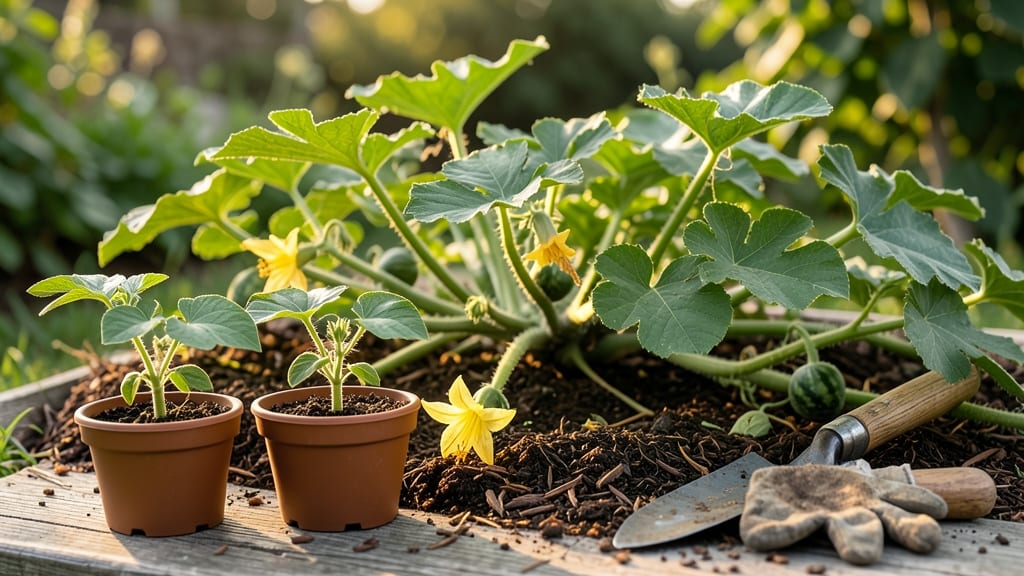
If you’ve ever planted watermelon in Florida only to watch your seeds sit stubbornly in cold soil for weeks, wondering when is the best time to plant watermelon in Florida, you’re not alone.
The ideal window isn’t just about checking the calendar—it’s about waiting for that perfect soil temperature range that triggers fast germination and sets your crop up for success.
Florida’s warm climate means you can grow watermelons year-round, but timing matters more than you think. Plant too early, and your seeds will rot in damp, chilly soil. Too late, and the summer heat can stress young plants before they even take root.
The key? Monitoring soil temperatures between 75°F and 90°F—that’s when those seeds finally spring to life.
Whether you’re a first-time gardener or a seasoned grower, knowing the exact window to plant can mean the difference between a thriving vine and a disappointing harvest.
I’ll walk you through Florida’s optimal planting seasons, soil prep tips, and even how to protect your seedlings from unexpected cold snaps or scorching heat.
Ready to grow watermelons that burst with flavor and ripen just in time for summer? Let’s dive into the fastest, most reliable way to get your melons 🌱 thriving in Florida’s unique climate.
Optimal Florida watermelon planting windows by soil temperature (not just calendar dates)
Watermelons thrive when planted at the right time, but Florida’s climate makes this tricky. Unlike northern states, we don’t have to worry about frost dates—instead, soil temperature is your best guide.
Watermelon seeds need soil that’s warmed to 75–90°F to germinate reliably, and Florida’s unpredictable weather means calendar dates alone won’t cut it.
Most gardeners focus on April or August planting windows, but these can vary by climate zone and even microclimates within Florida.
For example, South Florida’s Zone 10-11 can plant as early as February-March, while North Florida’s Zone 8-9 should wait until mid-April to avoid early-season cold snaps that can stunt growth.
Here’s the critical rule: Wait until the soil stays consistently above 75°F for at least 10 days. This ensures fast germination (3–7 days) instead of seeds rotting in cold soil.
Use a soil thermometer (just $10 at garden centers) to check temps in the morning—6–8 inches deep is where roots will be.
Pro tip: If you’re planting in containers or raised beds, soil warms up faster than in-ground plots because they absorb more sunlight. This gives you a 2–3 week head start in cooler months like March.
Now let’s break down the ideal planting windows for Florida’s two main seasons—spring and fall—with soil temperature benchmarks to maximize your harvest.
One common mistake? Planting too early in March when soil temps are still below 70°F. Seeds may take 2–3 weeks to germinate (or not at all), and seedlings become weak and leggy from stretching toward sunlight.
I’ve seen this happen in Central Florida when gardeners rush to beat the heat—only to end up with poor yields.
For fastest results, aim for soil temps of 80–90°F. At this range, germination happens in 3–5 days, and vines grow 2–3 inches per day once established. Use black plastic mulch to warm soil faster—it can raise temps by 5–10°F compared to bare soil.
If you’re in North Florida and planting in August for a fall crop, choose heat-tolerant varieties like ‘Crimson Sweet’ or ‘Sugar Baby’. These handle 90°F+ days better than delicate heirlooms. Pair this with drip irrigation to avoid fungal issues from overhead watering in humid conditions.
Remember: Watermelons need 90–120 days to mature, so time your planting to finish before first frost (which can hit as early as October in North FL). In South FL, you can push it to November, but growth slows dramatically in cooler weather.
Optimal Florida watermelon planting windows by soil temperature (not just calendar dates)
Watermelon seeds need consistent warmth to germinate—75-90°F soil temperature is the sweet spot. Florida’s climate lets you plant twice a year, but timing depends on soil heat, not just the calendar.
Most gardeners in North Florida (Zones 8-9) wait until late April, while South Florida (Zones 10-11) can start as early as mid-March.
Don’t rely on air temperature—use a soil thermometer (insert 2 inches deep) to confirm readiness. If your soil is cooler than 70°F, seeds may rot or fail to sprout.
Morning is the best time to check, as soil cools overnight. Pro tip: Black plastic mulch warms soil faster by 10-15°F, speeding up germination.
🌱 Key Takeaway: Watermelons thrive when soil is warm, but Florida’s humidity can cause damping off if seeds sit in cold, wet soil too long. Balance is key!
| Season | Ideal Planting Window | Soil Temp (°F) | Germination Time |
|---|---|---|---|
| Spring | Mid-April to early May | 75-85°F | 5-7 days |
| Fall | Late August to early September | 80-90°F | 4-6 days |
| Extended Spring (with protection) | Late March (North FL) | 65-70°F (min) | 10-14 days |
For North Florida gardeners, late April is ideal because it avoids late-spring cold snaps (common in May). Use row covers if planting earlier—just remove them once vines appear to prevent overheating.
In South Florida, August planting lets you harvest before hurricane season peaks, but watch for powdery mildew in humid conditions.
If you’re in Central Florida (Zone 9), aim for May 1st for spring planting. Soil at this time is usually 80°F+, perfect for fast germination.
For fall, September 1st is safer than August—it gives melons time to mature before first frost risks (though Florida rarely sees frost, sudden dips can happen).
Remember: Watermelons are heat-loving annuals, but they hate soggy soil. Raised beds with well-draining compost are ideal for Florida’s heavy clay soils. Add 1-2 inches of mulch after planting to retain moisture and regulate temperature—critical for consistent fruit development.
Start seeds indoors 2-3 weeks before your target outdoor planting date if using transplants. Use biodegradable pots to avoid root disturbance. Harden off seedlings gradually to prevent shock when moving them to the garden’s full sun exposure.