
Plants
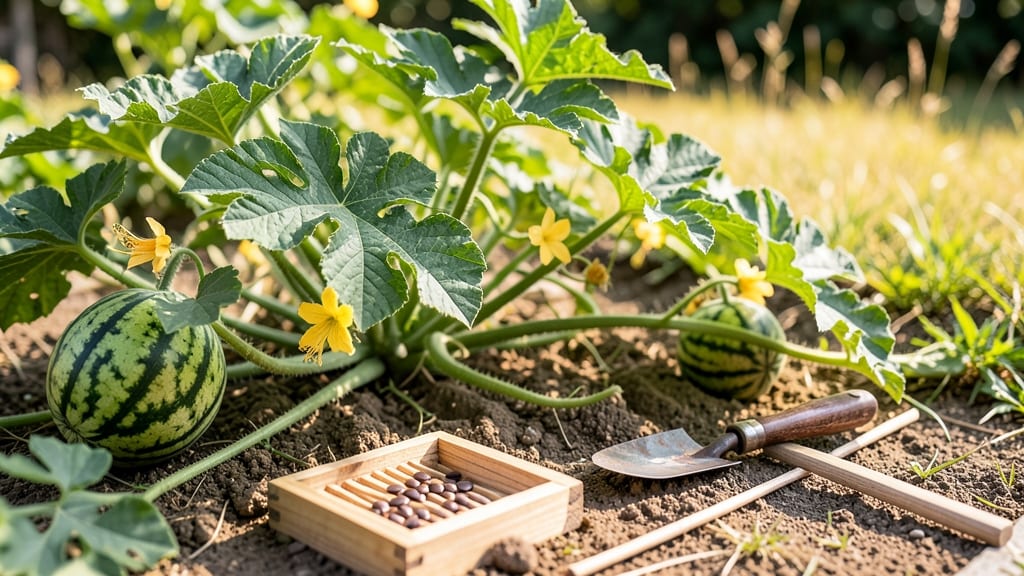
When do you plant watermelon seeds in California? Timing them just right can make all the difference between a bumper crop and wasted effort. The state’s dramatic climate shifts—from coastal fog to desert heat—mean your planting window isn’t one-size-fits-all. What works for 9b-10a zones in the Central Valley won’t cut it for foggy coastal areas, and getting it wrong could leave you waiting months for fruit (or none at all).
Most gardeners assume you should plant watermelons in late spring, but California’s microclimates demand precision. The ideal soil temperature of 70°F (21°C) and frost-free conditions vary wildly—coastal areas can start as early as mid-February, while inland deserts wait until March or later.
Skipping this step means risking stunted vines or early blight, especially when heat waves hit before plants are established.
Here’s the game-changer: I’ll break down the exact frost-free planting windows for each USDA zone, plus pro tips for adjusting to California’s unpredictable weather.
Whether you’re direct-sowing seeds or starting indoors, you’ll learn how to sync your schedule with your region’s unique growing season—so you’re harvesting sweet, ripe 🍉 watermelons by summer’s end.
Ready to avoid common mistakes like planting too early in cold pockets or overlooking heat-tolerant varieties? Let’s dive into the calendar that’ll turn your watermelon dreams into reality—no guesswork required.
California watermelon planting calendar by USDA zones (5-11)
Watermelons thrive in California’s warm climate, but timing is everything—plant too early in cooler coastal zones, and frost will kill tender seedlings. Too late in desert regions, and your vines won’t mature before summer’s end.
The key is aligning your planting with your USDA zone and soil temperature, which can vary by 50°F or more across the state.
Most California gardeners wait until after the last frost date, but watermelons also need soil temps above 70°F (21°C). In Zone 10a (coastal), you can start seeds as early as mid-February, while Zone 9b (Central Valley) gardeners should wait until late March.
Desert areas like Zone 8 (Death Valley) may even plant in April or May to avoid extreme heat stress.
Here’s your zone-by-zone planting guide, including frost dates, ideal soil temps, and regional microclimates to help you pick the perfect window for your watermelon seeds.
| USDA Zone | Last Frost Date | Ideal Planting Window | Soil Temp Requirement | Regional Notes |
|---|---|---|---|---|
| 5a-5b (High Sierra) | May 15 | Late May to early June | 75°F+ (24°C) | Short season; choose early varieties (60-70 days). |
| 6a-6b (Northern CA) | April 15 | Early to mid-May | 70°F+ (21°C) | Use row covers for early starts; avoid late frosts. |
| 7a-7b (Sacramento Valley) | March 1 | Mid-March to April | 65°F+ (18°C) | Black plastic mulch speeds soil warming; ideal for large varieties. |
| 8a-8b (Central Valley) | February 15 | Late February to March | 60°F+ (16°C) | Long growing season; heat-tolerant varieties like 'Crimson Sweet' excel. |
| 9a-9b (Coastal, LA) | January 15 | Mid-February to early April | 65°F+ (18°C) | Coastal fog delays warming; start seeds indoors for early harvests. |
| 10a-10b (San Diego) | December 15 | January to March | 60°F+ (16°C) | Year-round growing possible; avoid summer planting (heat stress). |
| 11 (Desert, Palm Springs) | None (year-round) | March to May (or September for fall crops) | 70°F+ (21°C) | Shade cloth protects from extreme heat; drip irrigation essential. |
If you’re in Zone 10a or higher, you can even squeeze in a
How to adjust planting for CA’s unpredictable weather (heat waves, late frosts)
California’s weather is famously unpredictable, with sudden heat waves or late frosts that can derail even the best-laid watermelon planting plans. In Zone 9b (Central Valley), for example, temperatures can swing from 40°F at night to 90°F by afternoon—leaving young seedlings vulnerable.
The key is flexibility and proactive adjustments to protect your crop.
If you’re in a coastal zone (10a), where fog delays warming, consider starting seeds indoors 2-3 weeks before your target outdoor date. Use grow lights to simulate long daylight hours, then transplant once soil hits 70°F (21°C).
For inland desert areas (Zone 8a-9a), where heat arrives early, opt for shade cloth during the hottest afternoon hours to prevent stress.
🚨 Callout Warning:
Even in Zone 10a, late frosts can occur in high-elevation pockets (e.g., Mountain Counties). Use frost cloth or row covers for the first 2 weeks post-planting. Monitor local weather alerts—some areas (like San Joaquin Valley) can drop to 32°F in April!
Another trick? Black plastic mulch warms soil 5-10°F faster than bare earth, giving you a 2-3 week head start in cooler zones. Pair this with drip irrigation to maintain moisture without overwatering—critical in Zone 9b+, where drought stress slows growth.
For heat-tolerant varieties, ‘Sugar Baby’ (70 days) thrives in 100°F+ temps, while ‘Crimson Sweet’ (85 days) handles Zone 8a’s shorter season.
If you’re in Southern CA (Zone 11), you can even plant a second crop in late June for a fall harvest—just ensure vines have 6+ hours of sun daily.
Finally, watch for blossom-end rot (a calcium deficiency from erratic watering) by keeping soil consistently moist but not soggy. Mulch with straw or wood chips to stabilize temps and reduce weeds—especially in sandy desert soils, which dry out quickly.
With these adjustments, you’ll beat California’s weather curveballs and still enjoy juicy, homegrown watermelons by summer! 🌱