
Plants
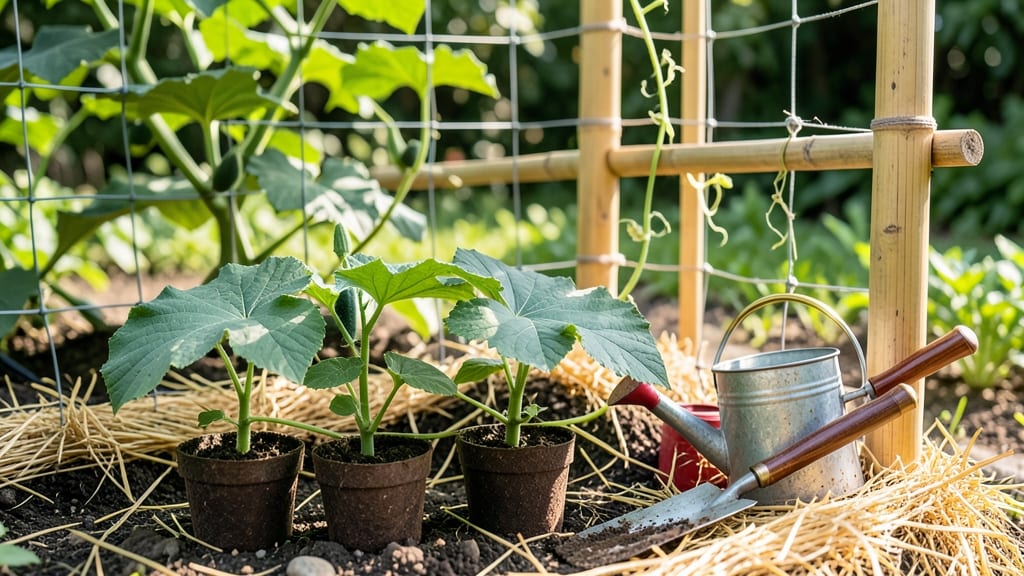
Timing your 🥒 cucumber planting in North Florida can mean the difference between a thriving garden and a sad, wilted vine—especially when those summer heat waves roll in faster than you expect.
Most gardeners here know the struggle: plant too early, and frost sneaks up; plant too late, and the humidity turns your cucumbers into mushy souvenirs. The sweet spot?
Mid-February to early April for spring, and late July to early August for summer—when soil finally warms to that 60°F magic number and your plants can actually thrive.
But here’s the game-changer: not all cucumbers handle Florida’s heat the same way. Some varieties bolt before you can say “pickle,” while others shrug off the 90°F afternoons like it’s nothing.
I’ll break down the best heat-tolerant picks and exactly when to plant them—so you can start harvesting by May or September without the guesswork.
Ready to beat the heat and grow cucumbers that actually last? Let’s dive into the exact dates, soil prep secrets, and pro tips to keep your vines happy until the last harvest.
Best planting dates for cucumbers in North Florida’s climate zones
North Florida’s USDA zones 8a-9a offer two prime windows for growing cucumbers—spring and summer—but timing is everything. Plant too early, and late frosts can kill tender seedlings. Plant too late, and scorching heat (90°F+) stresses plants before harvest. The key? Align your planting with soil temperatures and regional microclimates.
For spring plantings, aim for mid-February to early April when daytime highs consistently stay above 60°F and nighttime lows exceed 50°F. This window works best in Jacksonville and Gainesville, where coastal breezes moderate temperatures. In Tallahassee’s inland heat, wait until late March to avoid soil-borne diseases.
Summer plantings are trickier but possible. Start seeds indoors in late June and transplant outdoors by early August to beat the worst of the heat. Use shade cloth (30-50%) to protect seedlings from intense afternoon sun until they establish roots.
Here’s how North Florida’s three major regions differ in ideal planting windows:
| Region | Spring Planting Window | Summer Planting Window | Soil Temp Threshold (°F) | Key Risk |
|---|---|---|---|---|
| Jacksonville | Mid-February to early April | Late July to early August | 60°F+ | Humidity + fungal diseases |
| Gainesville | Late February to mid-April | Early August | 62°F+ | Late frosts |
| Tallahassee | Late March to early April | Early to mid-August | 65°F+ | Heat stress |
If you’re transplanting seedlings (instead of direct sowing), harden them off for 7-10 days before moving outdoors. Start seeds indoors 4-6 weeks before your target planting date to ensure they’re ready when soil warms up.
For direct sowing, wait until soil is consistently 60°F+—test it with a soil thermometer or press your hand into the ground for 5 seconds; if it’s too hot, wait.
North Florida’s frost-free season spans 240 days, but don’t let that fool you into planting too early. The last average frost in Jacksonville is mid-March, while Tallahassee’s inland areas can see frost as late as early April.
Always check the National Weather Service for your local 30-day forecast before planting.
For a continuous harvest, stagger plantings every 2 weeks in spring and every 3 weeks in summer. This ensures you’re always picking ripe cucumbers instead of facing a glut of fruit all at once.
Pair this with succession planting of fast-maturing varieties like ‘Straight Eight’ (50 days to harvest) for nonstop production.
One common mistake? Planting cucumbers in poorly drained soil. North Florida’s clay-heavy soils (especially in Gainesville) can suffocate roots. Amend beds with 2-3 inches of compost and consider raised beds for better drainage and warmer soil in spring.
Pro tip: Use black plastic mulch to raise soil temperatures by 5-10°F in spring, giving seedlings a head start. Remove it once vines start running to prevent overheating in summer.
Heat-tolerant cucumber varieties perfect for North Florida gardens
North Florida’s 90°F+ summers can stress cucumbers, but the right heat-tolerant varieties thrive in this climate. Choosing disease-resistant, high-yield cucumbers ensures a reliable harvest despite humidity and heat.
Varieties like 'Straight Eight' and 'Marketmore 76' are bred to handle Florida’s peak temperatures while resisting common pests like cucumber beetles and powdery mildew.
The ideal planting window for these varieties spans late July to early August, allowing them to mature before fall’s first frost. Some varieties, like 'Armenian' cucumbers, even tolerate drought conditions, making them perfect for North Florida’s unpredictable summer rains.
Always pair your selection with proper spacing—36–48 inches apart—to improve airflow and reduce fungal diseases.
| Variety | Heat Tolerance | Disease Resistance | Planting Window | Days to Harvest |
|---|---|---|---|---|
| Straight Eight | Excellent (90°F+) | Powdery mildew, beetles | Late July–early Aug | 55–65 days |
| Marketmore 76 | Very High (95°F+) | Scab, mosaic virus | Mid-July–late July | 50–60 days |
| Armenian | High (drought-tolerant) | Beetles, wilt | Early Aug–Sept | 60–70 days |
| Suyo Long | Good (humidity-resistant) | Mildew, rot | Late July–early Aug | 65–75 days |
| Lemon Cucumber | Moderate (best in shade) | Beetles, aphids | Mid-Aug–Sept | 55–60 days |
For bush varieties like 'Bush Champion', opt for smaller gardens or containers, as they grow 1–3 feet tall and mature faster in Florida’s heat. Vining types, however, need trellises to save space and improve air circulation.
Always mulch heavily with straw or black plastic to retain soil moisture and keep roots cool during afternoon heat spikes.
Start seeds indoors 3–4 weeks before your target planting date to give seedlings a head start. Harden them off by placing them outdoors for 2–3 hours daily before transplanting. This gradual acclimation reduces shock and boosts survival rates in North Florida’s intense summer sun.
Finally, rotate crops annually to prevent soil-borne diseases from building up. Cucumbers are heavy feeders, so amend soil with compost or aged manure before planting. This nutrient boost helps varieties like 'Marketmore 76' reach their high-yield potential despite Florida’s nutrient-leaching sands.
🌱