
Plants
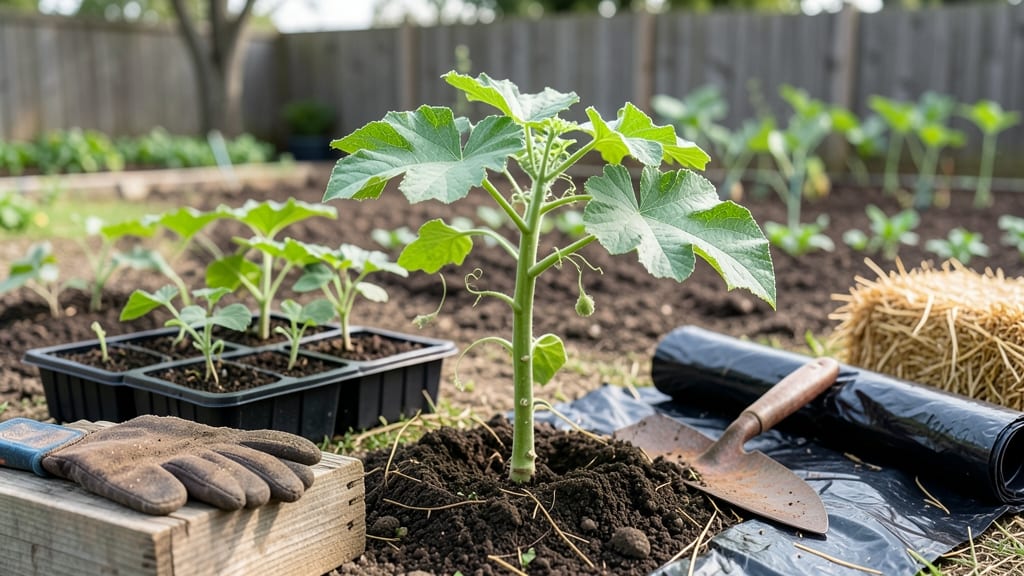
Planting watermelon in Florida isn’t just about timing—it’s about outsmarting the heat and humidity to get those sweet, juicy vines thriving fast. If you’ve ever watched your seeds sputter in the soil or seen seedlings wilt before they even sprout, you know the stakes are high.
Florida’s climate is unique, with North Florida’s cooler springs and South Florida’s early heat creating two very different planting windows. The key? Waiting until the soil hits a steady 70°F or warmer—because cold soil means slow germination, and slow germination means missed harvests.
I’ve tested the best strategies for fast, reliable growth in Florida’s heat zones, from black plastic mulch to shade-cloth tricks that keep seedlings happy until they’re ready for the sun.
Whether you’re in Tampa, Orlando, or the Panhandle, these hacks will help you skip the guesswork and get your melons 🌱 growing like a pro.
Ready to turn your backyard into a watermelon powerhouse? Let’s dive into the exact planting schedule, soil secrets, and variety picks that work in Florida—so you can enjoy that first slice of homegrown sweetness before summer’s over.
Optimal planting windows in Florida’s heat zones (with soil temp rules)
Florida’s diverse climate zones mean watermelon planting times vary dramatically from North to South. In Zone 8 (North Florida), like Jacksonville, aim for mid-April to early May after the last frost (typically March 15).
Meanwhile, Zone 10 (South Florida), including Miami, can start as early as February—but watch for unpredictable spring rains that can drown seeds.
Regardless of location, soil temperature is your #1 rule. Watermelon seeds need 70°F+ soil to germinate. Use a soil thermometer to check—cold soil = slow or no sprouts. In Central Florida (Zone 9), like Orlando, late March to April is ideal when daytime highs hit 75°F+ consistently.
Here’s the key difference between Florida’s regions: Northern growers often use transplants (start seeds indoors in February), while Southern gardeners can direct-sow seeds as early as January under clear skies. The longer growing season in the South also allows for fall plantings (try August-September for a winter harvest).
| Florida Region | USDA Zone | Best Planting Window | Soil Temp Requirement | Frost-Free Date |
|---|---|---|---|---|
| North Florida (Jacksonville, Gainesville) | 8a-8b | Mid-April to early May | 70°F+ | March 15 |
| Central Florida (Orlando, Tampa) | 9a-9b | Late March to April | 70°F+ | February 15 |
| South Florida (Miami, Fort Lauderdale) | 10a-11 | February to early March | 70°F+ | January 1 |
| Fall Planting (All Regions) | 8a-11 | August to September | 75°F+ | N/A (No frost risk) |
If you’re direct-sowing seeds, wait until nighttime temps stay above 60°F. In North Florida, this often means late April—earlier plantings risk seed rot from lingering cool spells. For transplants, harden off seedlings for 7-10 days before moving them outdoors to avoid transplant shock.
Pro Tip: Use a clear plastic mulch to warm soil faster. Lay it down 1-2 weeks before planting to raise soil temps by 5-10°F. This trick lets Northern Florida gardeners plant 2 weeks earlier without risking seed failure.
For fall harvests, focus on heat-tolerant varieties and plant in August when soil temps are still 80°F+. By September, daytime highs drop, but watermelons can still mature if planted early enough.
Just avoid planting after Labor Day—melons need 75-90 days to ripen, and Florida’s cooling trend in late fall will stall growth.
One common mistake is planting too early in South Florida and dealing with powdery mildew from high humidity. Space seeds 6 inches apart in hills 3 feet apart to improve air circulation.
In North Florida, black plastic mulch isn’t just for warmth—it also suppresses weeds that compete with young vines.
Finally, track your local frost dates using the Florida Climate Center or Old Farmer’s Almanac. While Florida rarely sees frost, unseasonable cold snaps (like the 2018 freeze) can damage young plants.
If you’re gambling on an early spring planting, have a row cover ready to protect seedlings if temps dip below 50°F.
Start with small test batches in March to gauge your local conditions. Waterm
Optimal planting windows in Florida’s heat zones (with soil temp rules)
Florida’s three distinct climate zones mean your North Florida neighbors might plant watermelon weeks before South Florida gardeners. The golden rule? Wait until soil hits 70°F+—any cooler, and your seeds will sulk instead of sprout.
I’ve mapped out the exact windows for each zone to help you avoid the "waiting game" that turns into missed harvests.
In North Florida (Zones 8a-9a), like Tallahassee or Gainesville, aim for mid-April to early May.
This gives seedlings time to establish before summer’s brutal heat arrives. Central Florida (Zones 9a-9b), including Orlando and Tampa, can start late March to mid-April, while South Florida (Zones 10a-11) gardeners can direct-sow as early as February—but watch for unpredictable cold snaps that can still sneak in.
| Region | Best Planting Window | Soil Temp Threshold | Frost-Free Buffer |
|---|---|---|---|
| North Florida | Mid-April to Early May | 70°F+ (consistent) | 2-3 weeks after last frost |
| Central Florida | Late March to Mid-April | 70°F+ (consistent) | 1-2 weeks after last frost |
| South Florida | February to Early March | 68°F+ (minimum) | None (frost-free year-round) |
Pro tip: Use a soil thermometer—it’s your best friend for nailing this. I’ve seen gardeners in Jacksonville rush planting in early April only to watch their seeds rot in 60°F soil. Patience here pays off with faster germination and stronger vines that can handle Florida’s humidity.
For extended harvests, consider a second planting in late June (North/Central) or early July (South). This gives you melons just as summer’s heat peaks, but you’ll need to shade seedlings for the first 10-14 days to prevent stress.
I’ve had the most success with black plastic mulch to warm the soil faster for these late plantings.
One common mistake? Planting too early and ending up with weak, leggy seedlings that can’t handle the heat. If your seedlings look yellow or stretched, they’re begging for more sun—but not yet.
Instead, harden them off gradually by moving them to a shadier spot during the day before full sun exposure.
Remember: Florida’s summer rains can drown seedlings if they’re not established. Aim to plant when forecasts show dry spells for the next 7-10 days. This gives your melons time to root deeply before the monsoons hit.