
Plants
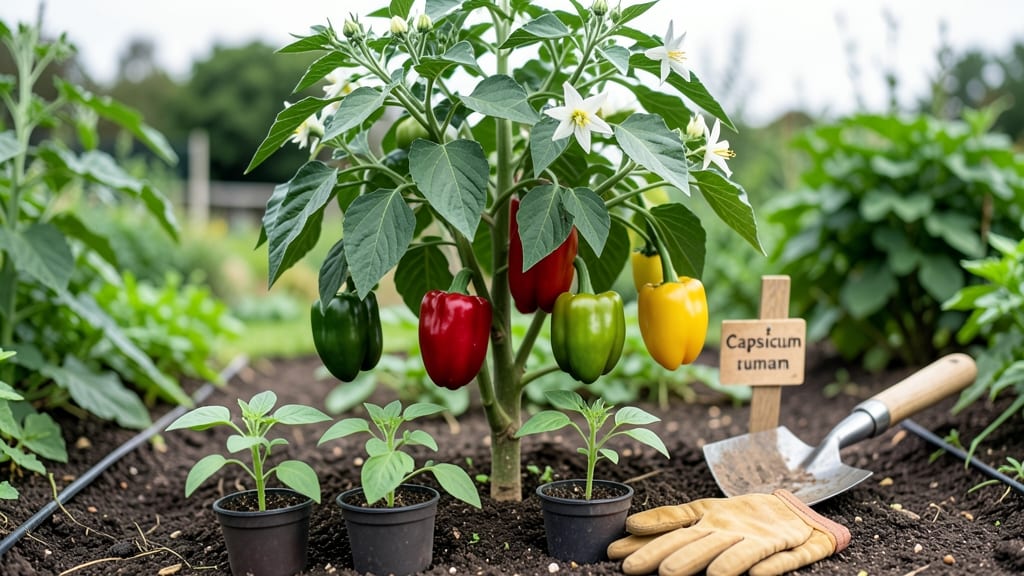
If you’ve ever wondered why your 🌶️ bell peppers in South Florida struggle to thrive—even when planted year-round—you’re not alone. The key isn’t just when you plant them, but how you work with (or against) the region’s relentless heat and humidity.
South Florida’s 10a-11 climate means frost isn’t a concern, but summer’s scorching temps can turn your pepper plants into sad, wilted shadows if you don’t time it right.
The best planting windows? Spring and fall, when soil temps hit that sweet 65°F+ threshold—but even then, heat-tolerant varieties make all the difference.
I’ve tested the top heat-resistant varieties that actually produce in Miami’s sweltering afternoons, and the results will surprise you. No more guessing games—just juicy, high-yield peppers that keep coming back, season after season.
Ready to skip the trial-and-error? Let’s break down the exact months to plant, the best varieties for your garden, and how to beat South Florida’s summer heat stress—so you can harvest like a pro all year.
South Florida bell pepper planting calendar: month-by-month heat tolerance guide
South Florida’s year-round growing season means you can plant bell peppers almost anytime—but timing still matters to avoid heat stress or poor yields. Unlike northern climates, we don’t have to worry about frost, but soil temperature and humidity fluctuations create their own challenges.
The key is planting when daytime highs stay below 90°F and nights dip below 75°F to prevent blossom drop.
For direct sowing, aim for January through March or September through November when soil temps hover between 65°F and 85°F. Transplanting seedlings works year-round, but summer plantings (June-August) require extra care like shade cloth and daily watering to protect young plants from scorching.
🌶️ Pro Tip: Use a soil thermometer to check depth—bell peppers need soil at least 65°F to germinate properly.
| Month | Best Planting Window | Soil Temp (°F) | Notes | |||||||||||||||||||||||||||||
|---|---|---|---|---|---|---|---|---|---|---|---|---|---|---|---|---|---|---|---|---|---|---|---|---|---|---|---|---|---|---|---|---|
| January | Direct sow or transplant | 65-75°F | Ideal for fall/winter harvests; use mulch to retain warmth. | |||||||||||||||||||||||||||||
| February | Direct sow or transplant | 68-78°F | Early spring planting; watch for fungal diseases with humidity. | |||||||||||||||||||||||||||||
| March | Direct sow or transplant | 70-80°F | Peak planting month; use shade cloth if temps exceed 85°F. | |||||||||||||||||||||||||||||
| April | Transplant only (avoid direct sow) | 75-85°F | Hotter days; plant in afternoon to reduce transplant shock. | |||||||||||||||||||||||||||||
| May | Transplant with shade cloth | 80-90°F | High heat risk; use 30% shade cloth and black plastic mulch. | |||||||||||||||||||||||||||||
| June | Transplant late afternoon | 85-95°F | Extreme heat; water deeply every 1-2 days and use mulch. | |||||||||||||||||||||||||||||
| July | Transplant with 50% shade | 90-95°F | Hottest month; use drip irrigation and avoid overhead watering. | |||||||||||||||||||||||||||||
| August | Transplant with shade cloth | 88-92°F | Humidity spikes; monitor for bacterial spot and treat early. | |||||||||||||||||||||||||||||
| September | Direct sow or transplant | 80-88°F | Ideal for fall harvests; soil cools slightly by month’s end. | |||||||||||||||||||||||||||||
| October | Direct sow or transplant | 75-85°F |
| Variety | Heat Tolerance | Disease Resistance | Yield Potential | Best For |
|---|---|---|---|---|
| Carolina Wonder | 9/10 (thrives in 95°F+) | 8/10 (resists bacterial spot) | High (6-8 peppers/plant) | Fresh eating, containers |
| Jupiter | 10/10 (originally bred for FL) | 9/10 (powdery mildew resistant) | Very High (8-10 peppers/plant) | Year-round production |
| Aristotle | 8/10 (handles humidity well) | 7/10 (susceptible to blight) | Moderate (4-6 peppers/plant) | Sweet flavor, roasting |
| NuMex RNaky | 9/10 (drought-tolerant) | 10/10 (viral-resistant) | High (6-8 peppers/plant) | Low-maintenance gardens |
| King of the North | 7/10 (best in cooler months) | 6/10 (average resistance) | Very High (10+ peppers/plant) | Fall harvests, large peppers |
My #1 pick for South Florida? 'Jupiter'—it’s the only variety I’ve found that actually thrives in summer without wilting. Last year, my June-planted Jupiter plants produced peppers until November, even during a 100°F heatwave.
The thick, waxy skin protects against sun scald, and the compact bushes resist wind damage during storms.
For container gardens or small spaces, 'Carolina Wonder' is my go-to. It’s disease-resistant and produces bright red peppers perfect for stuffing or grilling. I grow mine in 5-gallon buckets on my balcony, and they’ve never disappointed.
If you’re after sweet, mild peppers, 'Aristotle' is a close second—just watch for blight in monsoon season.
🌱 Quick Tip: Start seeds indoors 8-10 weeks before your target transplant date (e.g., February for spring or August for fall). Use grow lights