
Trees
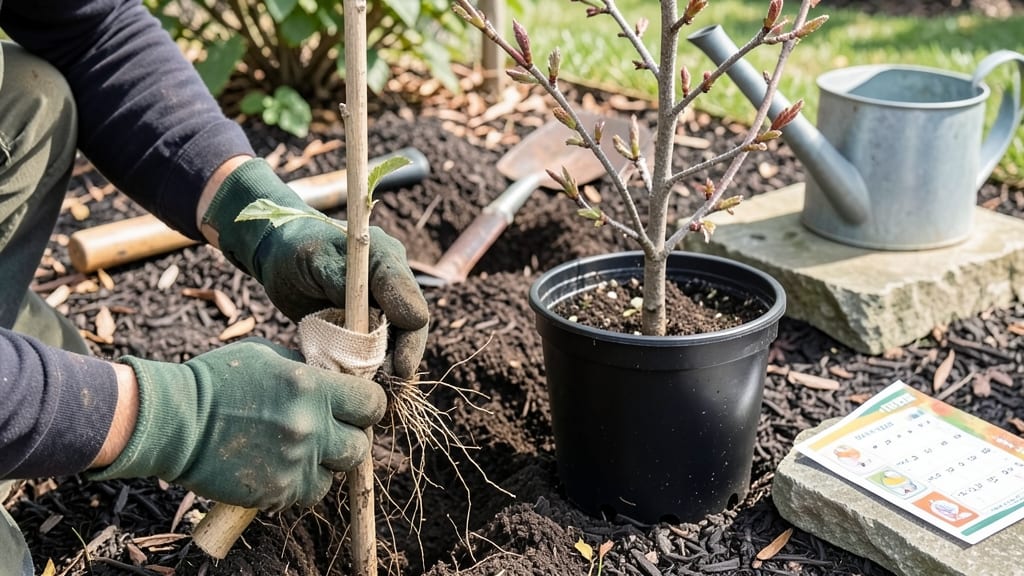
Timing is everything when it comes to planting fruit trees in BC—get it wrong, and you could be staring at dead saplings by next spring.
With three distinct climate zones across the province, from Vancouver’s mild coastal air to the Interior’s harsh winters, knowing the best window makes all the difference for survival and growth.
I’ve seen firsthand how a single misjudged week can turn a promising young tree into a frost-damaged disappointment. Whether you’re in the Coastal region or the drier Interior, understanding when to dig that hole is the key to thriving orchards.
Let’s break down the science behind BC’s planting seasons so you can plant with confidence.
Most gardeners swear by spring planting, but fall can actually work better in some zones—if you time it right. We’ll cover the ideal months for each region, plus how to prep your soil and choose varieties that match your local climate.
No more guesswork, just proven strategies for fruit trees that grow strong and bear fruit for years.
Ready to avoid costly mistakes? I’ll walk you through the exact steps—from soil temperature checks to frost-free date calculations—that’ll help your fruit trees take root like a pro. Let’s get started.
BC planting zones and best months for fruit tree success
British Columbia’s diverse climate—from the mild coastal regions to the harsher interior valleys—means planting times vary drastically. Getting your fruit trees in the ground at the right moment ensures strong root establishment before winter or summer stresses.
For example, Vancouver’s coastal zone (Zone 7b-8) offers a longer growing season, while the Okanagan Valley (Zone 5b-7a) demands earlier planting to avoid late frosts.
Most BC gardeners aim for early spring planting (March–April) when soil temperatures hit 10°C (50°F), but fall planting (September–October) works too—if done 6-8 weeks before frost.
The key is avoiding frost-sensitive periods while giving roots time to establish. Let’s break down the best months for each zone to maximize your tree’s survival and productivity.
🌱
| BC Climate Zone | Best Planting Window | Key Considerations | Soil Prep Tip |
|---|---|---|---|
| Coastal (Vancouver, Victoria) | Late March–April or September–early October | Mild winters; watch for spring rains and fungal risks | Amend with compost for drainage |
| Interior (Kelowna, Penticton) | Early April–May or August–September | Hot summers; early frost risk in valleys | Use mulch to retain moisture |
| Northern (Prince George, Quesnel) | May–June (spring only) | Short growing season; long winters limit fall planting | Plant on south-facing slopes for warmth |
| Vancouver Island (Nanaimo, Campbell River) | April–May or September–October | Marine influence; cooler microclimates in valleys | Test for acidic soil (berries need pH 4.5–5.5) |
If you’re planting in spring, aim for March–April when soil is workable but frost risk has passed. For fall planting, September–October gives roots time to establish before winter—just avoid planting too late, as young trees need 6-8 weeks to harden off.
In cooler zones like Vancouver Island, fall planting is safer due to milder winters.
Another critical factor is soil temperature. Use a soil thermometer to confirm it’s above 10°C (50°F)—this signals roots can grow actively. In the Okanagan, where summers are hot, fall planting reduces transplant shock from summer heat.
Meanwhile, coastal gardeners can often push fall planting into early October thanks to the mild ocean influence.
Pro tip: Bare-root trees (common in BC nurseries) should be planted as soon as they arrive—don’t let roots dry out. For container-grown trees, you have slightly more flexibility but still need to align with your zone’s optimal window.
Always check your local frost-free dates (available from Agriculture Canada) to fine-tune timing.
For stone fruits like peaches and cherries, spring planting is non-negotiable—they hate wet roots in winter. Meanwhile, apples and pears are more forgiving and can handle fall planting in most zones.
Berries like blueberries and raspberries thrive with acidic soil, so test your soil’s pH before planting, regardless of season.
🌿
BC planting zones and best months for fruit tree success
British Columbia’s three main climate zones—Coastal, Interior, and Vancouver Island—each demand different planting strategies for fruit trees. The Coastal region, with its mild winters, allows for a longer planting window, while the Interior’s colder winters require precise timing to avoid frost damage.
Understanding these zones is the first step to choosing the right month for your fruit trees.
In the Coastal zone (including Vancouver and Victoria), you can plant fruit trees from late March to mid-May or in early fall (September to early October). The soil warms up earlier here, giving roots time to establish before winter.
Meanwhile, the Interior zone (Kelowna, Okanagan) needs to wait until mid-April to early June for spring planting, with fall planting limited to late August to early September.
Vancouver Island’s climate is similar to the Coastal zone but slightly cooler. Here, late April to early June is ideal for spring planting, while fall planting should wrap up by mid-October to avoid early frosts. Always check your local last frost date—this is your golden rule for timing.
| Zone | Best Spring Months | Best Fall Months | Soil Temp Threshold | Key Consideration |
|---|---|---|---|---|
| Coastal (Vancouver, Victoria) | Late March - Mid-May | September - Early October | 5°C (41°F) | Mild winters, longer growing season |
| Interior (Kelowna, Okanagan) | Mid-April - Early June | Late August - Early September | 7°C (45°F) | Harsh winters, shorter window |
| Vancouver Island | Late April - Early June | Mid-September - Mid-October | 6°C (43°F) | Cooler than Coastal, earlier frosts |
For fall planting, aim to get your fruit trees in the ground 6-8 weeks before the first frost. This gives roots time to establish before winter dormancy.
In the Coastal zone, this might mean planting as late as early October, while the Interior should wrap up by early September. Always mulch heavily after fall planting to protect roots from freezing temperatures.
One trick I’ve used is to test soil temperature with a simple thermometer. For most fruit trees, soil should be at least 5-7°C (41-45°F) before planting. If it’s too cold, roots won’t establish properly, and your tree may struggle the following spring.
This is especially critical for stone fruits like peaches and cherries, which are more frost-sensitive.
Don’t forget to acclimate bare-root trees if you’re planting in late spring. Soak the roots for 1-2 hours before planting to rehydrate them. For container-grown trees, you can plant almost year-round as long as the ground isn’t frozen, but early spring or fall still gives the best results.
The key is consistent moisture and well-draining soil—no matter when you plant.