
Trees
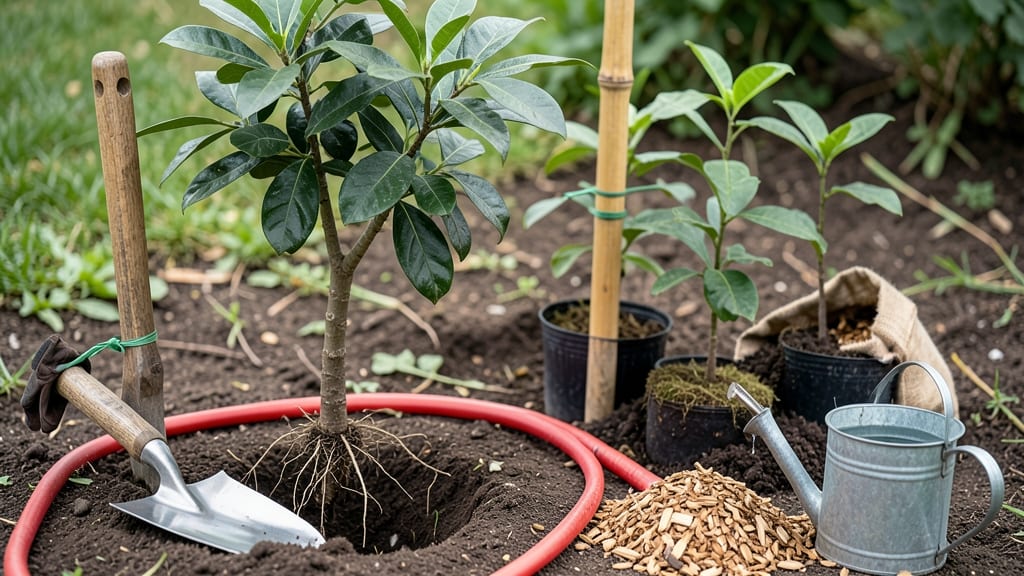
Planting a 🍎 fruit tree at the wrong time in California can mean struggling with weak roots, disease, or even total failure—so timing isn’t just important, it’s critical for long-term success.
The Golden State’s diverse microclimates (from coastal fog to desert heat) mean what works in Southern California might fail in the Central Valley, and vice versa.
If you’re dreaming of homegrown citrus, avocados, or stone fruits, you’ll want to know the best months to plant for your specific zone—whether that’s late fall for dormancy or spring for tropical varieties.
I’ll break down the science behind root growth, frost risks, and soil temps so you can avoid costly mistakes.
Whether you’re a beginner with a backyard plot or a seasoned gardener, this guide cuts through the confusion. You’ll learn how to time your planting for maximum survival rates, from drought-resistant picks for arid regions to frost-hardy choices for cooler areas.
Let’s dive into the peak planting windows tailored to your California climate—so your 🍎 fruit tree thrives from day one.
California’s 5 fruit tree planting zones: when to plant by region for maximum survival
California’s diverse climate—from coastal fog to desert heat—means the best time to plant fruit trees varies dramatically by region. Whether you're in frost-prone Sacramento or frost-free Palm Springs, timing your planting window directly impacts survival rates.
I’ll break down the 5 key planting zones and their ideal months to maximize root growth and minimize stress.
Most California gardeners plant fruit trees during the dormant season (November-March) when soil temperatures are cool and rainfall is higher. However, Zone 10 (Southern California) allows year-round planting, while Zone 7 (Sierra foothills) requires late winter timing to avoid early frosts. Let’s dive into the specifics for each zone.
🌱
| Zone | Climate Type | Best Planting Months | Key Considerations |
|---|---|---|---|
| Northern Coastal (Zone 7b-8a) | Cool, foggy summers; frost risk | February-March | Avoid late frosts; choose late-blooming varieties like arctic apple. |
| Central Valley (Zone 8b-9a) | Hot summers; mild winters | November-January | Irrigation critical; drip systems reduce transplant shock. |
| Southern California (Zone 9b-10a) | Mild winters; year-round growth | Year-round (best: November-February) | Plant citrus and avocado in cooler months to avoid heat stress. |
| Desert Regions (Zone 9a-10b) | Extreme heat; minimal frost | October-November | Use shade cloth for young trees; drought-tolerant varieties like figs thrive. |
| Mountain Foothills (Zone 6b-7a) | Cold winters; short growing season | March-April | Choose hardy varieties like peaches or plums; mulch heavily. |
For Northern Coastal zones (Zone 7b-8a), like San Francisco or Mendocino, the best planting window is February-March. This timing avoids late frosts that can damage emerging roots. I recommend arctic apple or crabapple varieties for these areas—they’re bred to handle cooler climates and shorter growing seasons.
In the Central Valley (Zone 8b-9a), where cities like Fresno and Bakersfield experience hot summers and mild winters, planting between November and January gives roots time to establish before soil warms. Irrigation is non-negotiable here—drip systems are a game-changer for young trees facing 100°F+ temperatures by spring.
Southern California’s Zone 9b-10a, including Los Angeles and San Diego, offers the most flexibility. You can plant year-round, but the coolest months (November-February) are ideal for citrus, avocado, and persimmon.
These trees thrive in frost-free conditions, so avoid planting during heatwaves—root stress spikes when soil temps exceed 85°F.
Desert regions like Palm Springs and Joshua Tree (Zone 9a-10b) demand October-November planting. The key here is shade cloth for young trees—100°F+ days can scorch tender foliage. Figs and pomegranates are excellent choices for their drought tolerance, but even they need deep, infrequent watering to establish roots.
Finally, mountain foothills (Zone 6b-7a), such as Sacramento or Lake Tahoe’s lower elevations, require March-April planting.
Late frosts are a real threat, so peaches, plums, and cherries should be planted after the last frost date. Mulching with 4-6 inches of wood chips helps regulate soil temps and retain moisture during the dry summer months.
🌿
Pro tip: Always check your local USDA zone and last frost date before planting. Extension offices in your county often provide hyper-local planting calendars—a free resource worth bookmarking! For example, Sacramento
Dormant vs. active planting: how to choose the right season for your fruit tree type
Choosing the right planting season for your fruit tree in California depends entirely on the tree type and whether you’re planting bare-root or container-grown trees.
Most deciduous fruit trees (like peaches, plums, and apples) thrive when planted during dormant season, while citrus and avocado trees prefer active growth periods.
For dormant planting (November–March), trees have minimal water needs and can focus energy on root establishment before spring growth. This is ideal for stone fruits and pome fruits, which benefit from cooler temperatures and reduced pest pressure.
In contrast, tropical/subtropical trees like citrus and avocados can be planted year-round in frost-free zones (USDA 10+), but early spring or fall avoids extreme heat or cold.
Dormant vs. Active Planting: Pros and Cons
- Pros: Lower water needs, fewer pests, optimal root growth
- Cons: Limited tree selection, risk of frost damage in late winter
- Pros: Wider tree variety, immediate establishment in warm soil
- Cons: Higher water needs, increased pest risks
If you’re planting bare-root trees, aim for late fall to early winter (November–January) when soil is cool but not frozen. This gives roots time to acclimate before spring growth. For container-grown trees, spring (March–April) is ideal—soil warms up, and trees can transition smoothly to active growth.
One critical mistake is planting tropical trees in winter, especially in cooler zones (USDA 8-9). For example, a lemon tree planted in December in Sacramento risks frost damage before roots establish. Always check your local frost dates and adjust planting windows accordingly.
For stone fruits like peaches or plums, dormant planting (November–February) aligns with natural dormancy cycles, reducing transplant shock. Meanwhile, avocado trees planted in spring (March–May) avoid summer heat stress while still allowing root development before peak growth.
Pro tip: Use mulch (2–4 inches) after planting to retain moisture and regulate soil temperature. For dormant planting, apply organic mulch like wood chips; for active planting, opt for straw mulch to prevent soil crusting.