
Trees
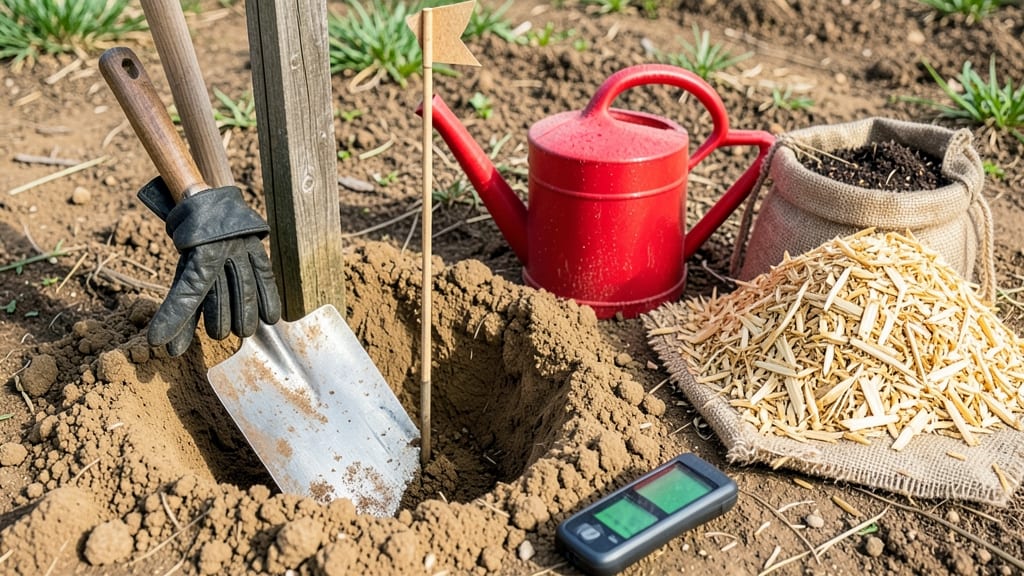
Timing matters more than you think when planting fruit trees in South Australia—get it wrong, and you could be waiting years for that first 🍎 harvest.
The late autumn to early spring window isn't just a suggestion; it's the difference between roots taking hold and struggling against frost or summer heat.
South Australia's microclimates—from the cool Adelaide Hills to the hot Riverland—mean what works in one region fails in another. I've seen gardeners plant citrus in May only to watch their trees wilt under unexpected late frosts, or stone fruits in summer, where scorching soil stunts growth before it starts.
What you're about to discover isn't generic advice—it's a localized guide that accounts for frost-free dates, soil temperatures, and even the last frost risks in your specific zone.
Whether you're in the Eyre Peninsula or the Fleurieu, these insights will help you choose the perfect month to plant for a thriving orchard.
Ready to avoid costly mistakes? Let's break down the exact months that work best for your area, plus how to prepare your soil and select varieties that match your microclimate. Your future harvest depends on getting this right.
Optimal planting months for fruit trees by south australian microclimate zones
South Australia’s diverse climate zones—from the frost-prone Adelaide Hills to the hot Riverland—create wildly different planting windows for fruit trees.
In the Adelaide Hills (USDA 8a), late autumn (April-May) is ideal to avoid early frosts, while the Riverland (USDA 9b) thrives with winter planting (June-July) to escape summer heat stress. Each zone demands a tailored approach to maximize root establishment and early growth.
For coastal regions like the Fleurieu Peninsula, mild winters allow planting as late as early June, but Eyre Peninsula’s cold desert climate requires early autumn (March-April) to prevent winter dieback.
Understanding these microclimates isn’t just about dates—it’s about aligning your fruit tree’s needs with local frost-free periods and soil conditions.
Here’s how to match your location to the perfect planting window:
In the Adelaide Hills, where late frosts can linger until September 15, planting apple trees in April-May gives roots time to establish before winter dormancy. Meanwhile, Riverland growers plant citrus in June-July to avoid summer’s scorching temperatures, which can stress young trees.
The Fleurieu Peninsula’s maritime influence allows a longer window, but coastal winds demand windbreaks for young saplings.
For Eyre Peninsula, where winter temperatures can drop below -2°C, early autumn planting (March-April) ensures trees aren’t caught off guard by sudden cold snaps. Always check the Bureau of Meteorology’s frost forecasts for your specific suburb—this can shift your ideal window by 2-4 weeks.
Pro tip: Bare-root trees planted in winter (June-August) across most zones benefit from cooler soils and reduced transplant shock. Container-grown trees, however, can be planted year-round in Riverland, provided they’re watered deeply post-planting.
Regardless of zone, soil temperature is your best guide. Use a soil thermometer—ideal planting occurs when soil temps stay above 10°C for apple and stone fruits, or 15°C for citrus.
This often aligns with the windows above, but local anomalies (like urban heat islands in Adelaide) can create microclimates within zones.
🌱
Key factors that determine the best time to plant fruit trees in SA
South Australia's diverse climate means soil temperature is your first clue—roots need consistent warmth (10°C+) to establish.
I always check the Bureau of Meteorology soil thermometer data before planting; in the Adelaide Hills, wait until April when soil temps reliably hit 12°C, while the Riverland can handle March plantings with its warmer soils.
Don't overlook rainfall patterns—too much rain after planting can drown roots, while drought stress weakens young trees. My Eyre Peninsula gardeners plant in May to align with autumn rains, while Fleurieu Peninsula gardeners aim for April when spring showers arrive.
Always dig a moisture test hole 30cm deep before planting to check drainage.
Frost risk is the silent killer of new fruit trees. In the Adelaide Hills, late frosts can hit until September 15, so I recommend planting citrus and stone fruits by April 15 to avoid frost damage.
For Riverland, frost is rare, but apples still need chilling hours—plant in March to ensure proper winter dormancy.
| Factor | SA Region | Key Consideration |
|---|---|---|
| Soil Temperature | Adelaide Hills | Wait for 12°C+ (April) |
| Rainfall | Eyre Peninsula | Plant in May for autumn rains |
| Frost Risk | Riverland | Low risk; plant March |
| Chilling Hours | All Regions | Critical for apples/peaches |
Local weather data is your secret weapon. I always check the BOM's frost forecasts and soil moisture indices before planting. For example, the Fleurieu Peninsula often sees unpredictable late frosts—I cross-reference historical data with real-time alerts to adjust my April planting window if needed.
Pro tip: Use the BOM's AgClimate tool to input your postcode and get hyper-local advice.
Variety selection ties directly to timing. Citrus and figs thrive when planted in April-May across most regions, but apples need March plantings in cooler zones to establish before winter.
I once planted a Granny Smith in June in the Adelaide Hills—it barely survived the winter. Always match your variety to your last frost date and chilling requirements.
Finally, prepare your soil 4-6 weeks before planting. In clay-heavy areas like the Riverland, I add gypsum and compost to improve drainage, while sandy soils in the Eyre Peninsula benefit from organic matter to retain moisture.
Test your soil's pH (aim for 6.0-7.0) and adjust with lime or sulfur as needed. Proper prep ensures your tree's roots can focus on growth, not struggling with poor conditions.