
Plants
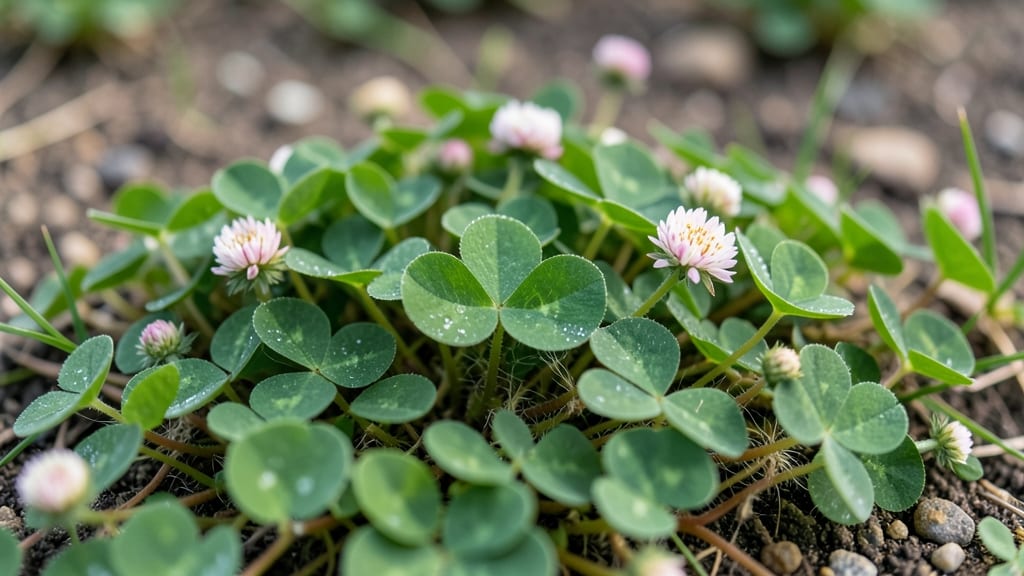
Planting food plots for deer in Georgia at the wrong time can turn your hard work into a deer-free buffet—no matter how much seed you drop.
The difference between a lush, whitetail magnet and a patch of dirt comes down to knowing exactly when to plant, and Georgia’s 7a-8b climate demands precision.
Most hunters swear by two ideal windows: late summer to early fall (August–October) or early spring (March–April). These timelines align with deer feeding patterns, soil temperatures, and frost-free growing seasons—critical factors that separate successful plots from wasted effort.
Let’s break down why these months work and how to adapt for Georgia’s unique conditions.
You’ll discover how to time your planting for peak deer activity, avoid common mistakes that cost landowners money, and choose the right cover crops for your soil type—whether you’re in the sandy Coastal Plain or clay-heavy Piedmont.
No more guessing games, just proven strategies to turn your property into a whitetail haven.
Ready to transform your land into a deer destination? The clock starts ticking now—literally. Let’s get those food plots 🌾 growing on the right schedule for maximum impact.
Best months to plant food plots in Georgia for maximum deer growth
Georgia’s mild winters and hot summers create a unique window for planting deer food plots that maximize forage growth and attract whitetails during critical feeding periods.
Unlike northern states, Georgia’s USDA Zones 7a-8b allow for both spring and fall planting, but timing is everything to avoid frost damage or wasted seed. The best months depend on the type of plot—cool-season forages like clover thrive in spring/fall, while warm-season mixes like sorghum-sudangrass shine in summer.
For cool-season plots (clover, brassicas, winter peas), the ideal planting window is late August through early October for fall establishment or March through early April for spring growth. These plots peak in October-November and again in April-May, aligning with deer’s rut and winter feeding needs.
Warm-season plots, however, should go in late April to early June to avoid early frost and ensure robust summer growth.
Here’s the science behind these windows: Georgia’s last frost date averages mid-March in most regions, while the first frost hits around mid-November. Planting cool-season plots 6-8 weeks before frost gives seeds time to germinate and establish roots before winter dormancy.
Warm-season plots need soil temperatures above 60°F to sprout, which typically occurs in late April across most of the state.
Let’s break down the optimal planting schedule by forage type, soil prep needs, and deer activity patterns to ensure your food plots deliver year-round nutrition for whitetails.
| Forage Type | Best Planting Window | Peak Deer Browsing | Soil Temp Requirement |
|---|---|---|---|
| Clover (Alfalfa, Crimson, White) | Late Aug - Early Oct or Mar - Early Apr | Oct-Nov & Apr-May | 50-60°F (Cool) |
| Brassicas (Turnips, Radishes, Rape) | Late Aug - Early Oct | Oct-Dec | 45-55°F (Cool) |
| Winter Peas | Late Sep - Early Nov | Nov-Jan | 50-65°F (Cool) |
| Sorghum-Sudangrass | Late Apr - Early June | Jun-Aug | 60-70°F (Warm) |
| Chufa (Tiger Nuts) | Mar - Early Apr | Jul-Sep | 65-75°F (Warm) |
| Cereal Rye | Late Aug - Early Oct | Oct-Jan | 50-60°F (Cool) |
Notice how fall-planted cool-season plots align with Georgia’s pre-rut feeding frenzy in October-November, while spring-planted forages provide nutrition during the fawn-rearing season (April-June). Warm-season plots like sorghum-sudangrass fill the summer gap when deer rely on natural browse, which is often protein-deficient during hot months.
For example, clover mixes planted in late September will establish roots by November, just as bucks bulk up for the rut. Meanwhile, brassicas like turnips planted in August produce lush, palatable greens by October, drawing does and fawns—and later, mature bucks.
This layered approach ensures deer have food year-round, even during lean winter months.
Georgia’s Coastal Plain (southern regions) has a slightly longer growing season, allowing for earlier spring plantings (as early as February) and later fall plantings (into November). In contrast, the Piedmont region (central/northern Georgia) experiences earlier frosts, so adjust planting dates 1-2 weeks earlier to avoid cold damage.
Always check your local USDA frost map or consult the Georgia Climate Project for region-specific guidance.
One critical factor often overlooked is soil temperature. Use a soil thermometer to confirm temperatures meet seed requirements—cool-season seeds won’t germinate if soil is above 60°F, while warm-season seeds may rot if planted in cold soil.
Aim for consistent moisture after planting by watering 1 inch per week until germination (usually 7-14 days
Georgia-specific food plot strategies by soil type and deer behavior
Georgia’s diverse soil types—from sandy Coastal Plain regions to heavy Piedmont clay—require tailored planting strategies to maximize deer growth. Your soil composition dictates everything from seed selection to planting timing, so let’s break it down by region and deer feeding cycles.
In sandy Coastal Plain areas (like South Georgia), warm-season plots like sorghum-sudangrass thrive when planted late April to early June. These soils drain quickly, so focus on drought-tolerant varieties and mulch heavily to retain moisture during summer slumps.
For clay-heavy Piedmont soils (North Georgia), fall planting in September-October works best for clover and brassicas. These soils hold moisture longer, allowing cool-season plots to establish before winter. Test your soil pH—clay soils often need lime to reach the ideal 6.0-7.0 range for deer forage.
🌾 Sandy Coastal Plain vs. Clay Piedmont: Planting Strategies
Sandy Soil (Coastal Plain)
- Best Planting Window: Late April–June
- Top Crops: Sorghum, Millet, Cowpeas
- Key Tip: Mulch to retain moisture
- Deer Peak: Summer–Early Fall
Clay Soil (Piedmont)
- Best Planting Window: September–October
- Top Crops: Clover, Rye, Brassicas
- Key Tip: Amend with lime for pH 6.0–7.0
- Deer Peak: Fall–Winter
Timing your plots for deer behavior is just as critical. Plant pre-rut plots (August–September) with high-protein soybeans or peas to fuel bucks during the October breeding season. For winter feeding, winter peas or cereal rye sown in late October provide late-season nutrition when natural forage is scarce.
Pro tip: Use food plot cameras to monitor deer activity. If bucks are already visiting by mid-October, extend your fall planting into early November for a late-season browse. Adjust for mild Georgia winters—some years, cool-season plots may survive longer than expected.
Remember, soil prep is non-negotiable. Till or disk 6–8 inches deep before planting to break up compaction, especially in clay soils. Add compost or aged manure to boost organic matter, which sandy soils lack. A well-prepared bed ensures your food plot thrives when deer need it most.