
Plants
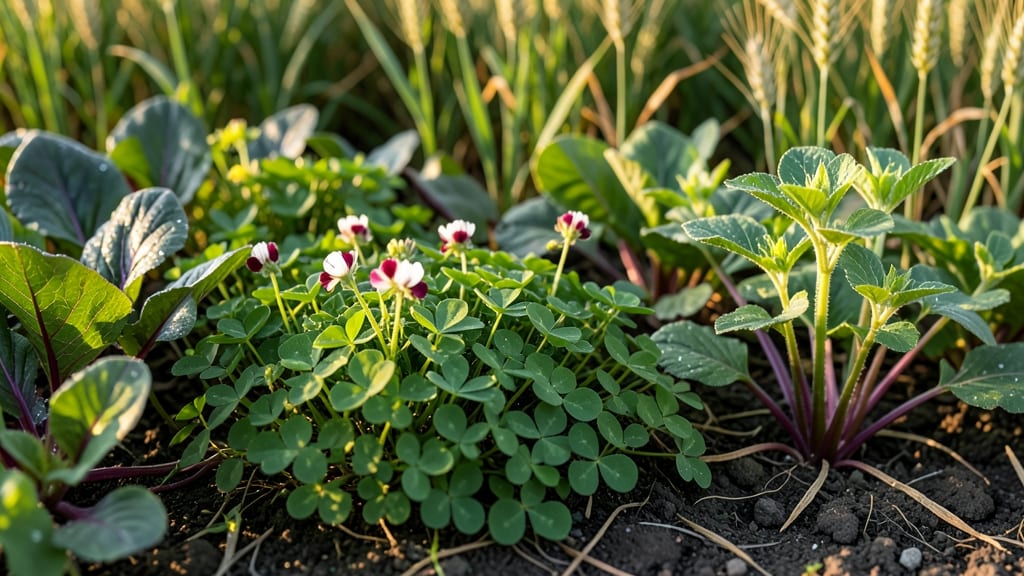
Planting food plots for deer in Louisiana at the wrong time can mean wasted seeds and missed hunting opportunities.
The state’s humid climate and rich soil make it ideal for deer forage, but timing your plots based on soil temperature and rainfall isn’t just guesswork—it’s the difference between a thriving deer magnet and a failed experiment.
In Louisiana’s USDA zones 8a-9b, the best window to plant is late winter through early spring (February–March) or early fall (August–September). This aligns with the region’s frost-free periods and ensures your 🌾 food plots for deer grow strong before peak deer activity in late spring and fall.
Whether you’re planting clover, brassicas, or warm-season crops like sorghum, understanding Louisiana’s unique rainfall patterns and soil conditions is key. I’ll break down the optimal planting months, crop-specific tips, and how to adjust your schedule for the state’s wet and dry cycles.
Ready to transform your property into a deer hotspot? Let’s dive into the exact timing and strategies that work in Louisiana’s climate.
Best planting months for Louisiana food plots by soil temperature
Louisiana’s warm climate means soil temperature is your best friend when planting food plots. Cool-season crops like clover and brassicas thrive when soil temps sit between 45°F–60°F, while warm-season favorites such as sorghum and milo need 65°F+ to germinate.
Planting at the wrong time can lead to slow growth or even seed failure, so let’s break down the optimal windows for each zone.
In North Louisiana (USDA Zones 7b-8a), cooler temperatures linger longer, giving you a 2–3 week head start for early spring plantings compared to South Louisiana. For example, February–March is ideal for cool-season plots in Shreveport, while March–April works better in New Orleans.
Always check a soil thermometer before seeding—it’s the only way to avoid guesswork.
For warm-season plots, aim for late spring (May–June) once soil temps consistently stay above 65°F.
In South Louisiana, this often means starting as early as April, while North Louisiana may wait until mid-May. Fall plantings (August–September) are another great option for cool-season crops before winter sets in.
Here’s a quick reference for Louisiana’s planting zones and their ideal soil temperatures:
| Plant Type | Ideal Planting Months | Soil Temp Range | Deer Preference |
|---|---|---|---|
| Clover (White Dutch, Crimson) | February–March, August–September | 45°F–60°F | High (year-round forage) |
| Brassicas (Turnips, Radishes) | Late Summer (August), Early Spring (March) | 50°F–65°F | Very High (fast growth) |
| Sorghum (Grain Sorghum) | May–June | 65°F+ | Moderate (peak fall) |
| Winter Rye/Wheat | August–September | 55°F–65°F | High (late winter) |
If you’re planting in South Louisiana (Zones 8b–9a), you’ll notice warmer soil earlier in the year. For example, clover can be planted as early as late January in areas like Lafayette, while North Louisiana may wait until February.
Always adjust for microclimates—shady spots or low-lying areas stay cooler longer.
For warm-season crops like sorghum, don’t rush planting—wait until soil temps stay above 65°F for 5+ days. Use a soil thermometer (available at local farm stores) to avoid seeding too early, which can lead to rot or poor germination.
In Louisiana’s heat, May–June is the sweet spot for these plots.
Pro tip: Succession planting is key in Louisiana. By staggering plantings every 2–3 weeks, you ensure a continuous food source for deer. For example, plant clover in February, then again in August to cover both spring and fall feeding peaks.
One common mistake is planting cool-season crops in late spring when soil temps rise. These plants will bolt (flower prematurely) or struggle to establish, leaving you with sparse forage. Always check the seed packet for recommended planting dates—it’s your best guide.
Finally, remember that Louisiana’s humidity can speed up seed germination. If you’re planting in May or September, monitor your plots daily for fungal issues like powdery mildew. A light fungicide treatment can save your plot if needed.
How Louisiana rainfall patterns affect food plot success
Louisiana’s rainfall patterns can make or break your food plots for deer. Too much rain at the wrong time leads to poor germination or fungal diseases, while droughts in summer can stunt growth.
Understanding these cycles helps you adjust planting schedules to match Louisiana’s wet and dry seasons—especially in regions like Acadiana or the Mississippi Delta where flooding is common.
The critical rainfall window for planting is 4-6 weeks before expected heavy rains. May and June are notorious for flash flooding in Louisiana, so avoid planting cool-season crops like clover or rye during these months.
Instead, focus on late summer (August–September) when rainfall is more predictable and soil temperatures are ideal.
Overwatering risks are just as dangerous as drought. Louisiana’s clay-heavy soils in areas like the Red River Valley can become waterlogged, suffocating roots. If you’re planting in low-lying areas, consider raised beds or contour planting to improve drainage. Always check your soil’s water retention capacity before committing to a planting schedule.
Rainfall Warning for Louisiana Food Plots
Avoid planting cool-season crops during May–June when Louisiana’s heavy rainfall can drown seeds. Warm-season crops like sorghum or milo planted in July–August handle summer showers better but need consistent moisture to establish.
Pro Tip: Use a soil moisture meter to monitor conditions—aim for 60-70% moisture at planting depth before seeding.
For warm-season plots like sorghum or milo, timing your planting to align with summer rainfall patterns is key. These crops thrive with 1-2 inches of rain per week during establishment.
If natural rainfall is unreliable, plan for supplemental irrigation—especially in North Louisiana, where droughts are more common in late summer.
In South Louisiana, hurricane season (June–November) adds another layer of complexity. If you’re planting late-season crops like winter rye, have a backup irrigation plan in case storms disrupt rainfall.
Always plant at least 6 weeks before the first frost (typically early December) to ensure full maturity before cold sets in.
To maximize success, test your soil’s drainage before planting. A simple percolation test (dig a hole, fill with water, time how long it drains) can reveal if your site is prone to waterlogging.
Adjust your planting schedule based on these results—slow drainage? Plant in drier months or use sandy amendments.
By aligning your planting schedule with Louisiana’s rainfall cycles, you’ll create a deer-friendly oasis that thrives year-round—no matter the weather.
Start with clover in early spring, brassicas in late summer, and warm-season grains in early fall for a plot that keeps deer coming back, rain or shine. 🌧️🌱