
Plants
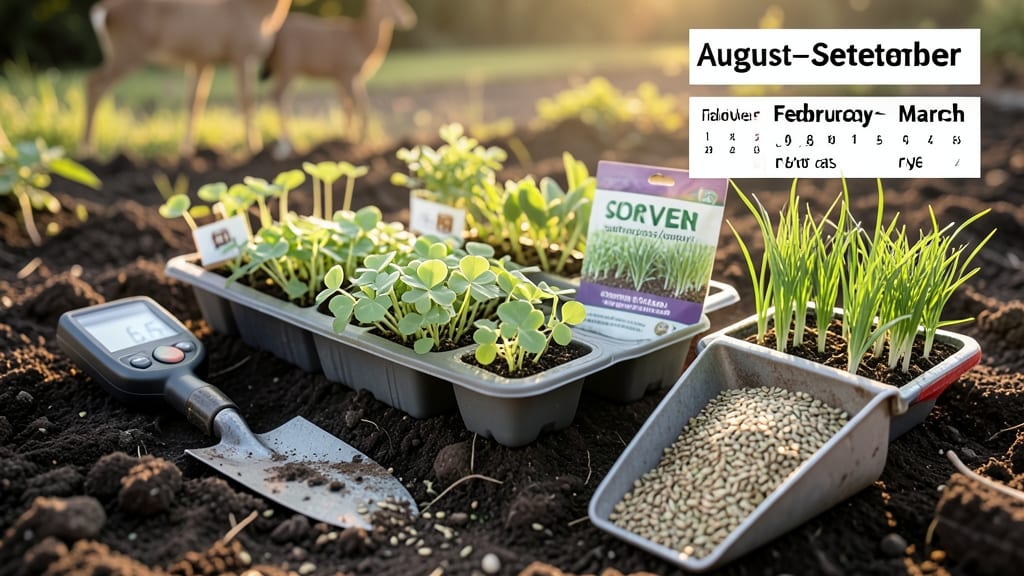
If you're planting a Food Plot Mix 🌾 in Florida and wondering when to get the fastest deer growth, timing is your secret weapon. Unlike northern states, Florida’s frost-free climate means you can plant year-round—but not all months deliver the same results.
The best windows for lush, fast-growing plots are spring and fall, when temperatures cooperate with your chosen crops.
Why does this matter? Because planting at the wrong time means slower growth, higher maintenance, and less appeal for deer. Florida’s heat and humidity can turn a mediocre plot into a thriving buffet—or a failed experiment—depending on when you start.
I’ll break down the fastest months for clover, brassicas, and native grasses, so you can skip the guesswork and maximize your investment.
Let’s start with the basics: Florida’s 8a-11 zones give you flexibility, but regional differences (North vs. Central vs. South) change the game. For example, North Florida’s cooler winters favor winter food plots, while South Florida’s year-round warmth lets you plant almost anytime.
I’ll show you how to align your planting schedule with local climate patterns for maximum impact.
Ready to turn your property into a deer magnet? We’ll cover soil prep, crop selection, and maintenance tips tailored to Florida’s unique challenges. Whether you’re a first-time planter or a seasoned hunter, these insights will help you grow food plots that deer can’t resist—fast.
Florida food plot planting calendar: best months by season for maximum deer impact
Florida’s year-round growing season means you can plant food plots almost anytime—but not all months are equal. The key is matching crop types with climate conditions to ensure fast deer growth and minimal waste.
Unlike northern states, Florida’s tropical/subtropical zones (8a-11) eliminate frost risks, but humidity and summer heat demand strategic timing.
For maximum deer impact, focus on two primary windows: fall planting (August-October) for winter forage and spring planting (February-April) for summer growth. These periods align with deer’s natural rut cycles and provide high-protein forage when bucks need it most.
Let’s break down the best months by region and crop type.
🌱 Florida’s Food Plot Planting Calendar
| Season | Best Months | Top Crops | Deer Preference | Climate Note |
|---|---|---|---|---|
| Fall | August-October | Clover, Winter Peas, Brassicas | High (protein-rich) | Cooler temps reduce fungal pressure |
| Winter | November-January | Ryegrass, Clover, Turnips | Moderate (cool-season growth) | Minimal rain; ideal for establishment |
| Spring | February-April | Sorghum, Millet, Sunflowers | Very High (summer forage) | Heat-tolerant crops thrive |
| Summer | May-July | Sorghum-Sudangrass, Cowpeas | Moderate (heat-stressed) | Irrigation critical; watch for pests |
North Florida (Zones 8a-8b) has slightly cooler winters, making November planting ideal for cool-season crops like ryegrass and turnips. These areas can even support two annual plantings—fall and spring—thanks to milder temperatures.
In contrast, Central and South Florida (Zones 9a-11) can plant year-round, but summer heat limits options to heat-tolerant varieties like sorghum-sudangrass.
Pro tip: Use cover crops like austrian winter peas in summer to protect soil and provide shade for seedlings when planting fall crops. This doubles as deer forage in late summer.
Just avoid planting legumes like clover during peak summer (June-August) unless you’re using shade cloth—they’ll struggle with 90°F+ temperatures.
For turkey food plots, shift timing slightly earlier: Plant spring crops (February-March) for summer forage and fall crops (September-October) to align with turkey brood rearing. Turkeys prefer diverse seed mixes like chufa, millet, and sunflowers, which mature faster than deer-focused plots.
Regional variations matter: Panhandle growers can push fall planting into early November, while South Florida gardeners might plant year-round with minimal seasonal adjustments. Always check local rainfall forecasts—Florida’s wet summers (June-September) can lead to fungal issues if drainage is poor.
To maximize success, test your soil pH (6.0-7.0 ideal) before planting and amend with lime or sulfur as needed. Florida’s sandy soils drain quickly, so incorporate organic matter like compost or peat moss to retain moisture. Mulch after planting to reduce evaporation—a critical step in Florida’s dry winter months.
Remember: Deer browse patterns change with seasons. Plant high-protein crops (clover, peas) in rut season (October-November) and high-carb crops (sorghum, millet) in summer (June-August) when bucks need energy for heat. Timing isn’t just about planting—it’s about feeding deer when they need it most. 🌿
Florida food plot planting calendar: best months by season for maximum deer impact
Florida’s year-round growing season means you can plant food plots almost anytime—but strategic timing ensures faster growth and better deer attraction. Unlike northern states, Florida’s warm winters and humid summers create unique windows for planting. The key is aligning your crops with deer feeding patterns and climate conditions.
For maximum biomass production, focus on fall and spring plantings. These seasons provide ideal temperatures (60–85°F) and consistent rainfall, which accelerate growth. Summer plantings are possible but require extra watering and shade protection to prevent stress. Let’s break down the best months for each season and region.
🌱 Florida Food Plot Planting Summary
| Season | Best Planting Months | Top Crops | Deer Preference |
|---|---|---|---|
| Fall | August–October | Clover, Ryegrass, Winter Peas | High (peak rut season) |
| Spring | February–April | Brassicas, Sorghum, Millet | Very High (pre-rut feeding) |
| Summer | May–July (with caution) | Sorghum, Cowpeas, Sunflowers | Moderate (heat-tolerant crops) |
💡 Pro Tip: North Florida’s cooler winters (Zone 8a) allow earlier fall plantings (July–September), while South Florida (Zone 10a+) can plant year-round with minimal stress.
In North Florida, where temperatures dip slightly in winter, August–October is prime for cool-season crops like clover and ryegrass. These plants establish roots before winter and explode in growth during Florida’s mild winters, providing high-protein forage for deer during rut season (October–January).
For Central and South Florida, the window extends slightly later—September–November—due to warmer soils. Here, winter peas and annual ryegrass thrive even in Zone 10a, offering year-round production if managed correctly. Summer plantings in these regions require drip irrigation and shade cloth to prevent heat stress.
Spring plantings (February–April) are critical for warm-season crops like brassicas (turnips, radishes) and sorghum. These fast-growing plants reach peak biomass just as deer enter pre-rut feeding (April–May). In South Florida, you can even plant summer brassicas in May–June with shade protection.
Summer plantings (May–July) are riskier but possible with heat-tolerant crops like sorghum, cowpeas, and sunflowers. These plants thrive in Florida’s heat and provide late-summer forage when other plots may struggle. However, avoid planting during peak drought months (June–July) unless you have supplemental irrigation.
Regardless of season, soil preparation is non-negotiable. Florida’s sandy soils drain quickly, so amend with compost or organic matter to retain moisture. Test your soil’s pH (6.0–7.0) and adjust with lime or sulfur before planting. Mulch after planting to conserve water and suppress weeds—critical in Florida’s humid, weed-prone climate.