
Planting
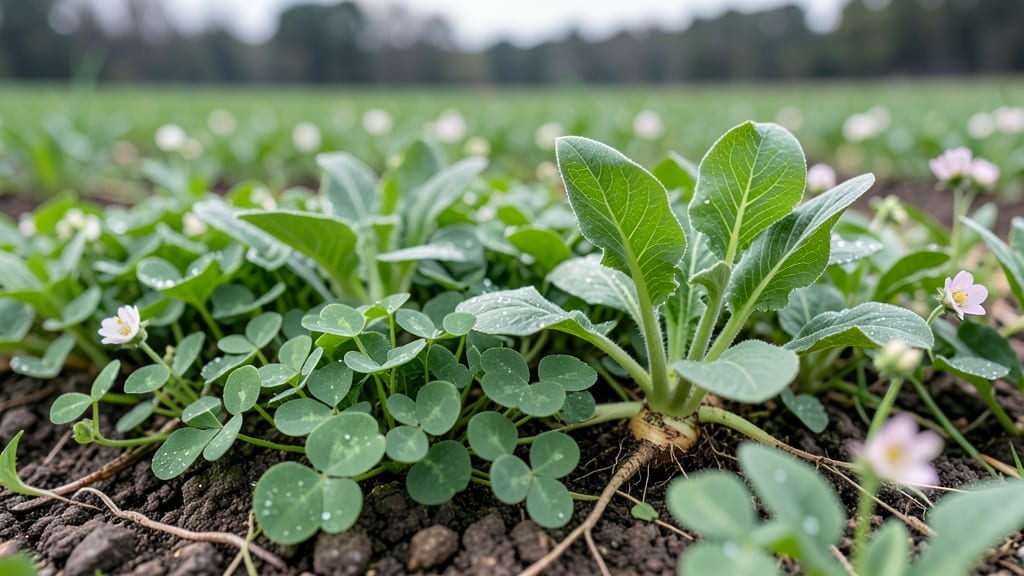
If you're wondering when to plant deer food plots in Kentucky, timing is everything—especially when you're dealing with deer that won’t wait for perfection.
Kentucky’s 6a-7b climate zones mean your neighbors might be planting while you’re still shoveling snow, or vice versa, depending on where you live in the state.
We’ve learned the hard way that planting too early can leave your 🌾 deer food plots vulnerable to frost, while waiting too long might mean missing the ideal growing window.
The key is knowing whether you’re in the eastern part of the state (like Lexington) or the western region (near Paducah), where frost dates can shift by weeks.
In this guide, I’ll break down the best months to plant—whether you’re a spring planner or a fall strategist—and share the exact steps to prep your soil, choose the right crops, and avoid common mistakes that waste time and money.
By the end, you’ll have a clear planting schedule tailored to your microclimate, so your food plots are lush, deer-proof, and ready year-round. Let’s get started.
Kentucky climate zones and best planting months for deer food plots
Kentucky’s diverse climate—spanning USDA Zones 6a to 7b—means your deer food plot timing depends heavily on where you live. The state’s five key zones (eastern, western, northern, southern, and transitional) each have slightly different last frost dates and soil warming trends, which directly impact when you should plant.
For example, eastern Kentucky’s cooler microclimates may delay spring planting by 2-3 weeks compared to western Kentucky’s warmer zones. Always check your local average last frost date (typically March 15) as your starting point.
Most Kentucky landowners plant deer food plots in two prime windows: early spring (March-April) and late summer/early fall (August-September).
Spring planting aligns with deer’s post-winter rut recovery, while fall plots provide late-season nutrition before winter. Transitional zones (like central Kentucky) offer flexibility—you can even plant a cool-season cover crop in October for early spring grazing. The key is ensuring soil temperatures reach 50°F before seeding.
🌱
| Climate Zone | Ideal Planting Windows | Soil Prep Tip | Last Frost Date |
|---|---|---|---|
| Eastern KY (Cooler) | Late April - Early May Late August - Early September |
Test pH (aim for 6.0-6.5); add lime if acidic | March 20 - April 1 |
| Western KY (Warmer) | Early March - Mid-April July - August |
Till in compost; avoid heavy clay soils | March 1 - March 15 |
| Northern KY (Humid) | Mid-April - May Late August - September |
Drain soggy areas; use raised beds if needed | March 15 - March 30 |
| Southern KY (Mild) | February - March June - July |
Mulch to retain moisture; avoid over-fertilizing | February 28 - March 10 |
| Transitional (Central) | March - April August - September |
Rotate crops yearly; test soil fertility annually | March 10 - March 25 |
If you’re planting in western Kentucky’s warmer zones, you can push spring planting as early as February—just ensure soil isn’t waterlogged.
For eastern Kentucky’s cooler areas, wait until after the average last frost (usually April 1) to avoid frost damage. Late summer plantings (August-September) work best in all zones, as they establish roots before winter and provide early spring forage when deer are most active.
Pro tip: Use a soil thermometer to confirm temperatures are 50°F+ before planting. Cold soils slow germination, and deer won’t graze sparse plots. Northern Kentucky’s humid climate also means you’ll need to monitor for fungal diseases—choose disease-resistant varieties like clover mixes or chicory for better resilience.
For transitional zones, consider a two-phase planting strategy: plant cool-season crops (like rye) in October for winter grazing, then follow with warm-season crops (like brassicas) in March.
This extends your deer food plot productivity by 6-8 months and aligns with Kentucky’s hunting seasons (archery in September, rifle in December).
Always check with the Kentucky Department of Fish & Wildlife for local regulations, especially if your plot is near public hunting lands. Some areas restrict baiting or require permits for large-scale plantings. Native plant nurseries in your region can also provide zone-specific seed blends tailored to Kentucky’s climate.
Remember: Deer prefer fresh, lush growth, so aim for peak greenness during hunting seasons. If you plant too late, your plot may not reach its full potential before winter sets in. 🌿
Kentucky climate zones and best planting months for deer food plots
Kentucky’s climate varies dramatically from the humid subtropical east to the moderate continental west, making planting timing critical for deer food plots. The state spans USDA zones 6a-7b, with last frost dates ranging from mid-March in western regions to late March in the eastern mountains.
These differences mean your planting schedule should align with your specific zone to maximize growth and deer appeal.
For example, Lexington’s eastern zone (Zone 7a) has a longer growing season, while Paducah’s western zone (Zone 6b) faces earlier frosts. Understanding these microclimates helps you choose between spring planting (March-April) for warm-season crops or fall planting (August-September) for cool-season varieties.
Let’s break down the best windows for each zone to ensure your plots thrive year-round.
| Zone & Location | Last Frost Date | Best Spring Planting | Best Fall Planting | Key Considerations |
|---|---|---|---|---|
| Eastern (Lexington, Louisville) Zone 7a |
March 15-20 | March 20-April 15 | August 15-September 10 | Humid summers; prioritize drought-tolerant crops like chicory and clover. |
| Western (Paducah, Bowling Green) Zone 6b |
March 1-10 | March 10-April 5 | August 1-September 5 | Cooler nights; focus on alfalfa and brassicas for early frost resilience. |
| Northern (Berea, Corbin) Zone 6a |
March 5-15 | April 1-15 (soil must reach 50°F) | August 10-September 1 | Shorter growing season; use winter rye for late-season forage. |
| Southern (Bowling Green, Hopkinsville) Zone 7b |
March 20-April 1 | April 1-15 | August 20-September 15 | Longer frost-free period; ideal for multi-season plots with clover and brassicas. |
| Transitional (Frankfort, Richmond) Zone 6b-7a |
March 10-20 | March 25-April 10 | August 10-September 10 | Flexible timing; blend warm-season and cool-season crops for year-round appeal. |
Pro tip: Use the Kentucky Mesonet (https://www.mesonet.ky.gov) to track real-time soil temperatures and frost forecasts for your exact location. This tool helps fine-tune your planting dates based on localized weather patterns rather than relying on generalized zone averages.
For instance, a 50°F soil temperature is your green light for spring planting, even if the air feels warmer.
In the eastern zones, where humidity is higher, prioritize drought-resistant crops like chicory to prevent fungal issues. Meanwhile, western zones benefit from alfalfa and clover mixes, which handle cooler nights better.
Fall planting in August-September gives crops time to establish roots before winter, ensuring a lush spring regrowth that deer will love.
Remember, deer don’t care about your planting schedule—they’ll graze whatever’s available. That’s why aligning your food plots with peak deer activity (spring and fall) is just as important as timing.
For example, a late August planting of winter rye ensures fresh forage when deer are preparing for winter, while a March clover plot provides early-season nutrition after harsh winters.
By tailoring your planting to your zone, you’ll avoid the heartbreak of frost-damaged plots or slow-growing crops. Next, we’ll dive into the top 5 deer-approved crops and their perfect Kentucky planting windows to keep your plots thriving year-round. 🌱