
Flowers
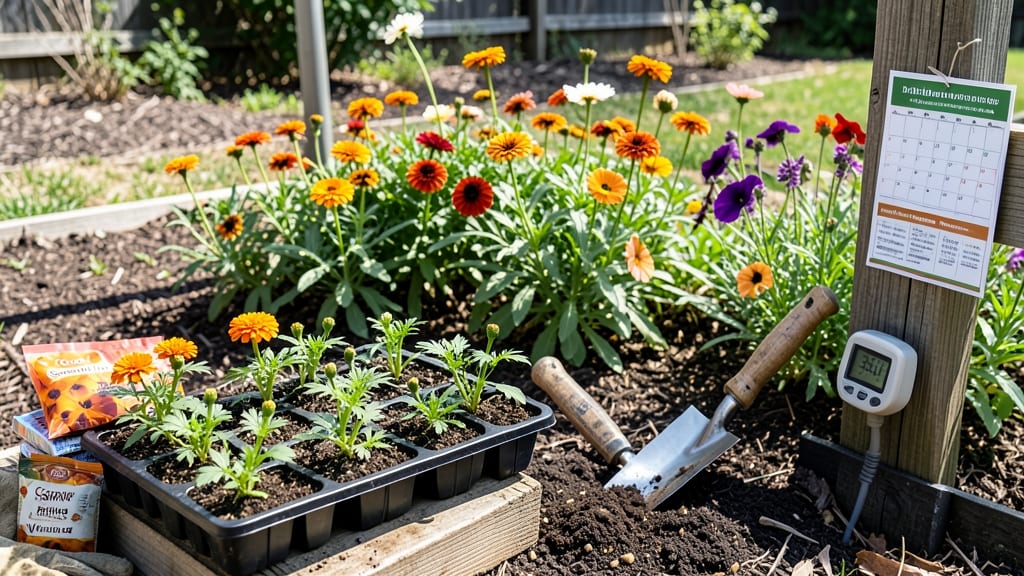
When to plant flowers in North Texas can mean the difference between a thriving garden and one that wilts before it even blooms. With our unique climate—scorching summers and unpredictable springs—getting the planting window wrong is an easy mistake to make. But here’s the good news: by following the right schedule, you can enjoy bold blooms from spring through fall, even in the heat.
Most gardeners in USDA Zone 8a know the ideal window for planting 🌸 flowers is between September and November for fall blooms, or February and March for spring.
But the key isn’t just the month—it’s understanding how North Texas’s microclimates (like the Hill Country vs. the Metroplex) can shift those dates by weeks. Whether you’re planting annuals, perennials, or heat-tolerant varieties like Lantana or Blackfoot Daisy, timing is everything.
In this guide, I’ll break down the exact months to plant for each season, plus the heat-tolerant varieties that will keep your garden vibrant even when temperatures hit 100°F+.
You’ll also learn how to adjust for your specific location—because what works in Dallas might not be perfect for West Texas. Let’s get those flowers in the ground at the perfect time for a show-stopping garden.
Ready to transform your yard into a year-round bloom parade? The first step is knowing when to plant—and trust me, the right timing makes all the difference. Let’s dive in.
Best flower planting months in North Texas by season (with heat-tolerant picks)
North Texas gardeners face unique challenges: 100°F summers and unpredictable frost dates that can throw off even the best-laid planting plans. But with the right timing, you can enjoy bold blooms from spring to fall.
The key? Planting heat-tolerant varieties during their ideal windows—usually February-March for spring and September-October for fall—to beat the worst heat and drought.
First, know your last frost date (around March 15 in most of North Texas) and first frost date (typically November 15). These dates act as your planting calendar anchors.
For example, annuals like zinnias thrive when planted 2-3 weeks after the last frost, while perennials like black-eyed Susans need 6-8 weeks before the first frost to establish roots.
Here’s the breakdown of seasonal planting windows and heat-proof flowers that will keep your garden vibrant year-round:
| Season | Best Planting Months | Heat-Tolerant Picks | Notes |
|---|---|---|---|
| Spring | February–March | Petunias, Marigolds, Snapdragons | Plant after last frost; mulch to retain moisture. |
| Summer | June–July (succession plant) | Lantana, Zinnias, Sunflowers | Use shade cloth for seedlings; water deeply. |
| Fall | September–October | Mums, Salvia, Blanket Flower | Avoid planting too late; aim for 6 weeks before frost. |
| Winter | December (limited options) | Pansies, Sweet Alyssum | Cold-hardy; protect from wind. |
For Dallas/Fort Worth, aim to plant spring flowers by March 1 and fall flowers by October 15 to give them enough time to root before extreme heat or cold. In West Texas (e.g., Lubbock, Amarillo), shift your timeline 2-3 weeks earlier due to hotter, drier conditions.
For example, lantana and blackfoot daisy thrive in these areas when planted in late February for spring blooms.
Pro tip: Succession planting is your best friend in North Texas. Instead of one big planting, stagger zinnias or sunflowers every 2-3 weeks from March to July to ensure continuous color. This works especially well for annuals with short lifespans, like cosmos or sweet peas.
Don’t overlook perennials, which are the workhorses of North Texas gardens. Plant black-eyed Susans, salvias, and coneflowers in early fall (September) so they establish roots before winter. These drought-tolerant stars will reward you with years of low-maintenance blooms and attract pollinators like bees and butterflies.
If you’re in the Hill Country, where nights can get chilly even in summer, opt for blanket flower or Turk’s cap, which handle temperature swings better than delicate annuals. These native Texas flowers also require less water once established, making them perfect for water-wise gardens.
Remember: Soil prep is just as critical as timing. Amend your soil with compost or aged manure before planting to improve drainage—especially important in North Texas’ heavy clay soil. Add a 2-3 inch layer of mulch after planting to lock in moisture and keep roots cool during summer heatwaves.
With these seasonal guidelines and heat-resistant picks, your North Texas garden can burst with color—even when the mercury rises.
How to adjust planting timing for North Texas microclimates (and avoid common mistakes)
North Texas isn’t one-size-fits-all—elevation shifts, soil types, and urban heat islands can push your planting dates by weeks. For example, Dallas/Fort Worth (Zone 8a) averages a last frost date of March 15, while West Texas (Zone 8b) can be frost-free by March 1.
Even within the same city, Hill Country gardens stay cooler and wetter than Metroplex suburbs, delaying spring planting by 2-3 weeks.
Microclimates also affect fall planting. In clay-heavy soils (common in East Texas), water drains poorly, so plant 6-8 weeks before frost to avoid root rot. Meanwhile, sandy soils in West Texas dry out faster, so start seeds 8-10 weeks early for stronger roots before winter.
🚨 CRITICAL MISTAKE: Assuming "spring" means March 1. In windy areas (like the Panhandle), strong winds dry out seedlings—delay planting annuals like marigolds until mid-April to avoid transplant shock.
Overwatering in Clay Soil = Root Rot
North Texas’ heavy clay holds 30-50% more water than sandy soil. After planting, water only when the top 2 inches are dry—use a moisture meter to avoid soggy roots. Mulch with 2-3 inches of pine straw to regulate moisture and prevent crusting.
💡 Pro Tip: Amend clay soil with compost or gypsum before planting perennials like black-eyed Susans to improve drainage.
To extend bloom seasons, use succession planting. For example, sow zinnias every 2 weeks from April to July—they’ll flower nonstop until frost. In fall, plant pansies in October for winter color, then replace them with calendulas in February to bridge the gap before spring bulbs pop.
Wind exposure is another game-changer. In open prairie areas, protect young seedlings with row covers or plant near windbreaks (like shrubs or fences). For container gardens in urban heat islands (e.g., downtown Dallas), water daily in summer—pots dry out 3x faster than in-ground beds.
Finally, track your own local frost dates for 2-3 years. Apps like PlantNet or a simple frost calendar from your local AgriLife Extension office will give you hyper-local adjustments. Even a 5°F difference in your microclimate can mean the difference between thriving lantana and a sad, leggy plant.