
Flowers
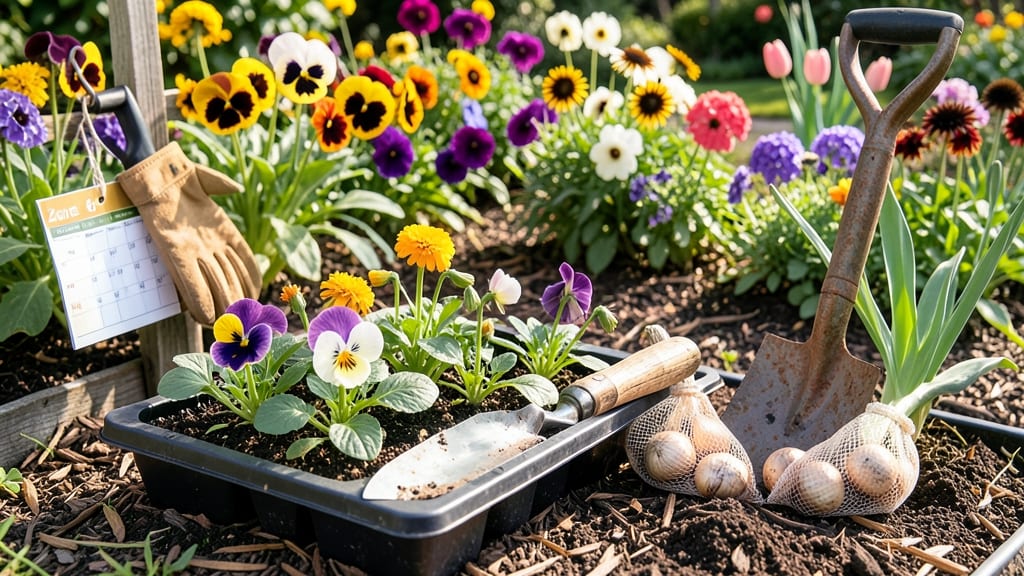
When to plant flowers in Zone 6b could mean the difference between a garden bursting with 🌸 vibrant blooms all season and a patchy, underwhelming display. Getting the months right isn't just about avoiding frost—it's about unlocking the full potential of your plants, whether they're delicate annuals or hardy perennials.
I've spent years perfecting the schedule for Zone 6b's unique climate, where last frosts linger around April 15 and first frosts arrive by October 15.
The key is knowing which flowers thrive when planted in early spring (like pansies) versus those that need the warmth of late summer (like marigolds).
What you're about to discover isn't just a calendar—it's a game-changer for extending your blooming season. We'll cover everything from soil prep to regional tweaks (like the Piedmont's cooler nights versus the Midwest's heat), so you can plant with confidence and enjoy flowers from spring through fall.
Ready to transform your garden into a nonstop parade of color? Let's dive into the exact months that'll make your Zone 6b flowers shine brighter and last longer than ever before.

Zone 6b planting calendar: best months for annuals, perennials, and bulbs
Zone 6b gardeners face a delicate balance—plant flowers too early, and a late frost will zap tender seedlings. Too late, and you’ll miss the peak bloom season.
My exact planting schedule aligns with Zone 6b’s last frost date (April 15) and soil temperatures, ensuring vibrant blooms from spring to fall.
First, know your frost-free window: Zone 6b offers about 165 frost-free days. Cool-season flowers like pansies and snapdragons can handle light frosts, while warm-season beauties like marigolds need soil temps above 60°F. Let’s break it down by flower type to avoid common mistakes.
🌱
Zone 6b Flower Planting Schedule
| Flower Type | Ideal Planting Window | Soil Temp Requirement | Key Notes |
|---|---|---|---|
| Cool-Season Annuals | February–April (6–8 weeks before last frost) | 40–50°F | Pansies, snapdragons, sweet peas. Start seeds indoors in late February. |
| Warm-Season Annuals | April–June (after last frost, soil 60°F+) | 60–70°F | Marigolds, zinnias, petunias. Wait until mid-May in colder microclimates. |
| Perennials | April–May (spring) or September (fall) | 50°F+ | Coneflowers, black-eyed Susans. Fall planting reduces transplant shock. |
| Spring-Blooming Bulbs | September–October (6–8 weeks before frost) | 50–60°F | Tulips, daffodils. Plant in fall for spring blooms. |
| Fall-Blooming Bulbs | March–April (4–6 weeks before last frost) | 55°F+ | Dahlias, cannas. Start indoors in Zone 6b’s shorter season. |
For regional adjustments, Pittsburgh’s microclimates often see frost 1–2 weeks later than Louisville. Test your soil’s readiness by pressing your finger into it—if it crumbles easily, it’s time to plant. Container gardens warm up faster, so you can plant warm-season flowers 2–3 weeks earlier than in-ground beds.
Pro tip: Use row covers to extend your cool-season planting window by 3–4 weeks. This protects seedlings like lettuce and violas from late frosts while keeping soil temps stable. Just remove covers when flowers bloom to prevent overheating.
Bulbs are the secret weapon for continuous color. Plant spring-blooming bulbs (tulips, hyacinths) in fall and summer-blooming bulbs (dahlias, gladiolas) in spring. Layer bulbs—plant taller varieties first, then shorter ones—to create a staggered bloom effect from early spring to late fall.
🌿
Don’t overlook succession planting for annuals like zinnias or cosmos. Sow seeds every 2–3 weeks from May through July to ensure nonstop blooms until frost. This works especially well in container gardens, where you can rotate plants seasonally.
Finally, mark your calendar for late August—this is the last chance to plant winter-hardy annuals like snapdragons or calendula. These tough beauties will survive light frosts and keep your garden lively until Christmas.
✂️
How to Adjust planting times for extended blooms in Zone 6b
Extending your blooming season in Zone 6b isn’t just about planting once—it’s about strategic timing. I’ve found that staggered planting and smart flower selection can turn your garden into a nonstop color show from early spring to late fall. The trick? Layering cool-season and warm-season flowers so they bloom back-to-back.
For example, pansies and calendulas planted in early March will give you spring blooms, while marigolds and zinnias seeded in late May take over in summer. This succession planting ensures no gaps in your garden’s performance.
Another pro move? Layering bulbs like tulips (plant in October) with daffodils (plant in November) so they bloom at different times. In Zone 6b, this means spring color from March through May without lifting a finger after planting.
🌱 Key Tip: Use container gardening to control planting times. You can start petunias indoors in February and transplant them in May for a head start on summer blooms.
🌿 5 Pro Strategies for Extended Blooms
- 📅 Succession Plant annuals every 3-4 weeks from March to June for continuous color.
- 🌸 Choose late-blooming perennials like black-eyed Susans (bloom until first frost) and Russian sage (blooms July-October).
- 🌱 Plant cool-season flowers in late summer (August) for fall blooms—think pansies and snapdragons.
- 🌿 Layer bulbs with different bloom times (e.g., crocuses in March, tulips in April, alliums in May).
- ☀️ Adjust for microclimates: Plant heat-loving flowers (like lantana) near south-facing walls to extend their season.
Don’t overlook fall planting—it’s your secret weapon for early spring blooms. In Zone 6b, fall-planted bulbs like daffodils and hyacinths need 6-8 weeks of chilling before they’ll bloom. Plant them in October or November, and you’ll reward yourself with March-April color.
Finally, deadhead spent blooms regularly to encourage reblooming in perennials like coneflowers and shasta daisies. This simple step can add 4-6 extra weeks of blooms to your garden’s season.
With these adjustments, your Zone 6b garden will never look bare—just a well-timed, vibrant masterpiece all year round. 🌷