
Plants
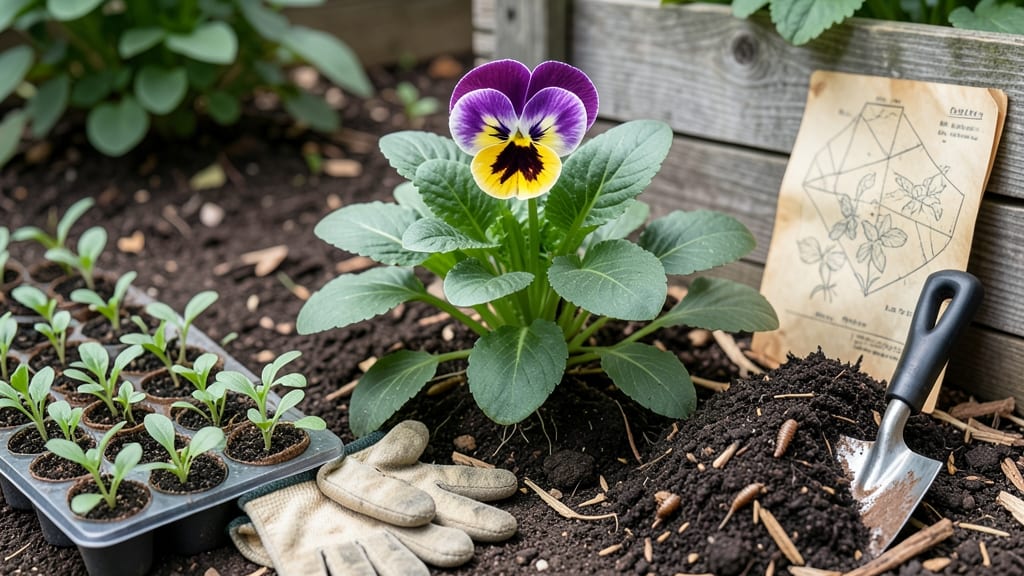
If you’ve ever planted pansies 🌸 in Georgia only to watch them struggle through heat or frost, you’re not alone—but the best time to plant pansies in Georgia is the secret to vibrant, long-lasting blooms.
The key lies in timing, specifically knowing when to tuck these cool-weather stars into your garden before the seasons shift against them.
Georgia’s 7b-8b climate zones create a Goldilocks scenario for pansies: not too hot, not too cold, but just right—if you plant them at the perfect moment. Miss the window, and you’ll either end up with wilted petals from summer’s glare or frost-nipped leaves before they even show their colors.
Here’s the secret: September–October and February–March are your sweet spots. These months give pansies the head start they need to thrive, whether you’re in the Coastal Plain’s humidity or the Piedmont’s cooler breezes. I’ll break down exactly how to time it right—and keep those 🌸 blooms coming all season long.
Ready to transform your garden into a year-round splash of color? Let’s dive into the science-backed schedule that’ll make your pansies the envy of the neighborhood.
Georgia’s 3 microclimate zones & their ideal pansy planting months
Georgia’s three distinct climate zones—Coastal Plain, Piedmont, and Mountain—each demand different pansy planting strategies to avoid frost damage or summer stress. The Coastal Plain (USDA Zone 8b) enjoys milder winters, while the Mountains (Zone 7b) face earlier frosts.
Let’s break down the perfect planting windows for each zone to maximize blooms.
For Coastal Georgia, where winters are short and summers are long, September 15–October 15 is ideal for fall planting. This timing lets pansies establish roots before November’s first frost (avg. Nov 15). Spring planting should happen February 15–March 15, 4–6 weeks before the last frost (avg. March 15).
In the Piedmont region (Zone 7b-8a), cooler nights and slightly earlier frosts shift the window to September 1–October 1 for fall. Spring planting here is February 1–March 1. The 10°F temperature drop in December makes winter survival trickier, so mulch heavily after planting.
The Appalachian Mountains (Zone 7b) have the earliest frosts (avg. October 25), so plant pansies August 15–September 15 for fall color. Spring planting here is January 15–February 15, giving plants time to harden off before March’s last frost. Use cold-hardy varieties like ‘Cool Wave’ for best results.
| Zone | Avg. First Frost | Fall Planting Window | Spring Planting Window | Key Tip |
|---|---|---|---|---|
| Coastal Plain (Zone 8b) | Nov 15 | Sep 15–Oct 15 | Feb 15–Mar 15 | Use shade cloth in summer |
| Piedmont (Zone 7b-8a) | Nov 1 | Sep 1–Oct 1 | Feb 1–Mar 1 | Mulch with 2–3 inches |
| Mountains (Zone 7b) | Oct 25 | Aug 15–Sep 15 | Jan 15–Feb 15 | Choose cold-hardy varieties |
Pro tip: Check your local frost dates using the Georgia Climate Project or Almanac’s Frost Calculator. Even within zones, microclimates (like urban heat islands) can shift frost dates by 1–2 weeks. For example, Athens (Piedmont) might frost 2 weeks earlier than Savannah (Coastal).
If you’re in Zone 8b (Coastal), you can even try late summer planting (August) for a fall-to-winter show. Just protect plants with row covers if temperatures dip below 30°F.
In contrast, Zone 7b (Mountains) gardeners should avoid summer planting—pansies bolt (go to seed) quickly in heat above 80°F.
For year-round color, combine fall and spring plantings. Start with fall pansies (September) for winter blooms, then add spring varieties (February) to bridge the gap until summer annuals take over. This succession strategy ensures your garden stays vibrant from October through May.
Remember: Soil temperature matters too! Pansies thrive when soil is 50–65°F. Use a soil thermometer to confirm—cool soil speeds up germination. In hot summers, wait until evening to plant to reduce transplant shock.
Finally, container gardening offers flexibility. Move pots to shaded spots in summer or sunny spots in winter to adapt to Georgia’s shifting seasons. Just ensure containers have drainage holes to prevent root rot in our humid climate.
Georgia’s 3 microclimate zones & their ideal pansy planting months
Georgia’s three distinct microclimates—Coastal Plain, Piedmont, and Mountain—each demand a tailored approach to pansy planting 🌸.
The Coastal Plain (Zone 8a), with its humid summers and mild winters, allows for a slightly earlier start, while the Piedmont (Zone 7b) and Mountains (Zone 7a) need to time plantings more precisely to avoid frost or heat stress.
In the Coastal Plain, where the first frost typically arrives around November 15, aim to plant pansies between mid-August and early October. This gives them time to establish roots before winter sets in.
Meanwhile, Piedmont gardeners should stick to September 15–October 15 to avoid early frost, and Mountain regions should wait until late September due to colder nights.
For spring planting, all zones align on February 15–March 15, but timing shifts slightly: Coastal Plain can start earlier (late February) due to warmer soils, while Mountain areas should wait until mid-March to avoid late frosts.
The key is planting 4–6 weeks before the last frost date—typically March 15—to ensure robust growth.
| Zone | First Frost | Fall Planting Window | Spring Planting Window |
|---|---|---|---|
| Coastal Plain (8a) | Nov 15 | Mid-Aug–Early Oct | Late Feb–Early Mar |
| Piedmont (7b) | Nov 1 | Sep 15–Oct 15 | Feb 15–Mar 1 |
| Mountains (7a) | Oct 20 | Late Sep–Early Oct | Mid–Late Mar |
Pro tip: Use local frost date data from the Georgia Climate Project to fine-tune your schedule. For example, Savannah’s coastal warmth lets you plant pansies as early as August 1, while Blue Ridge gardeners should wait until mid-October for fall blooms. Always check soil temperatures—pansies thrive in 50–75°F soil.
In USDA Zone 8b (e.g., Athens or Macon), you can even experiment with late-summer plantings in August if you use shade cloth to protect them from intense heat. Just monitor for wilting and adjust watering to early morning to prevent fungal issues.
By aligning your planting with these microclimate-specific windows, you’ll ensure your pansies bloom reliably year-round, whether you’re in the sweltering lowlands or the crisp mountain air. Next, we’ll cover how to extend their season with smart care tricks!