
Plants
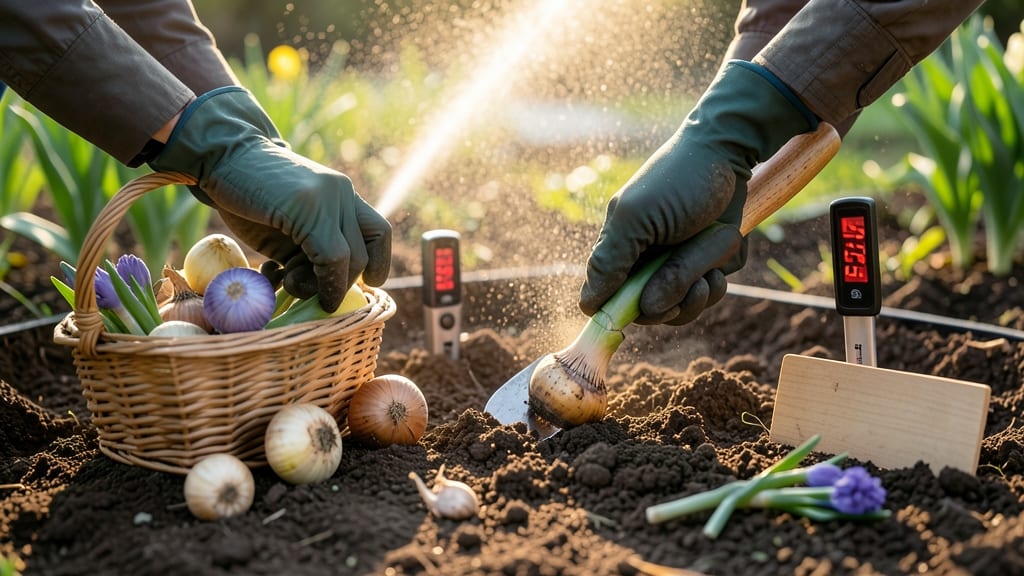
If you’re dreaming of a garden bursting with 🌷 spring-planted bulbs like tulips and daffodils, timing is everything—and getting it wrong could mean waiting another year for those vibrant blooms. The key isn’t just "spring" planting; it’s about understanding your hardiness zone, soil temperatures, and even regional frost patterns.
Most gardeners assume spring bulbs should go in as soon as the ground thaws, but that’s a common mistake. In USDA Zone 6a (like many parts of the Midwest), the ideal window is actually late summer to early fall—6-8 weeks before the first frost.
This gives bulbs time to root before winter, setting them up for a showstopping spring display.
Why does this matter? Because bulbs planted at the wrong time may rot in soggy soil or fail to establish strong roots. I’ll walk you through the exact timing for your zone, soil prep tips, and even how to adjust for late-winter planting if you missed the fall window.
Ready to avoid next year’s disappointment? Let’s dive into the perfect timing for bulbs that will bloom like clockwork—and transform your garden into a springtime masterpiece.
Spring bulb planting timeline by USDA hardiness zones
Most gardeners assume spring bulbs should be planted in early spring, but the truth is far more nuanced. In reality, spring-blooming bulbs like tulips and daffodils are planted in the fall—typically 6-8 weeks before the first frost.
However, if you missed that window or live in warmer climates (Zones 8-10), spring planting is still possible with adjustments.
The key to successful spring planting lies in soil temperature and moisture balance. Bulbs need the ground to be cool (40-50°F) but not frozen.
In colder zones (3-6), this usually aligns with late winter to early spring, while warmer zones (7-10) can plant as late as March or even April.
Here’s the critical rule: Plant bulbs when your region’s last frost date is 6-8 weeks away. For example, in Zone 5, that’s typically March 1-15, while in Zone 9, it might stretch to April 15-May 1.
Always check your local frost dates and adjust for microclimates (e.g., valleys stay colder longer).
Regional variations matter. The Pacific Northwest’s mild winters allow spring planting as early as February, while the Deep South’s warm soil may require waiting until March or April. Even within a zone, elevation changes timing—mountain gardens plant later than valley gardens.
One common mistake? Waiting until the soil is too warm. If temperatures exceed 60°F, bulbs may sprout too quickly, leading to weak stems or even rot. Test soil temps with a soil thermometer—aim for 40-50°F at planting depth (typically 6-8 inches).
| USDA Zone | Optimal Planting Window | Soil Temp Requirement | Regional Notes |
|---|---|---|---|
| 3-4 (Cold Climates) | Late March–Early April | 40–45°F | Plant after snowmelt; cover with mulch. |
| 5-6 (Temperate) | Mid-March–Mid-April | 45–50°F | Avoid planting if frost is forecasted. |
| 7-8 (Mild Winters) | Late February–March | 50–55°F | Can plant earlier in coastal areas. |
| 9-10 (Warm Climates) | March–Early April | 55–60°F | Use shade cloth if soil is too warm. |
🌱 Pro Tip: In Zones 8-10, pre-chill bulbs for 6-8 weeks in the fridge to mimic winter.
If you’re planting in containers, the timeline shifts slightly. Containers warm up faster, so aim to plant 2-3 weeks earlier than in-ground bulbs. Use black pots to absorb heat if your climate runs warm, or opt for white pots to reflect sunlight in hotter regions.
Don’t forget about moon phases—while not mandatory, planting during a waxing moon (when roots grow downward) can encourage stronger bulb establishment. Pair this with a balanced fertilizer (10-10-10) at planting to give bulbs a nutrient boost for next year’s blooms.
Finally, label your bulbs if planting a mix of varieties. Tulips, daffodils, and hyacinths have different bloom times and care needs, so tracking them ensures you can tailor watering and deadheading for each type. For example, daffodils often bloom earlier than tulips and tolerate wetter soil.
Remember: Spring planting is a gamble compared to fall planting, but with the right timing and conditions, you can still enjoy vibrant blooms.
The key is patience—bulbs planted in spring may take 1-2 years to reach their full potential, but with proper care, they’ll reward you with long-lasting color.
5 Signs your soil is ready for spring bulbs (and 3 common mistakes to avoid)
Planting spring bulbs too early in the season is a recipe for disappointment. Cold, wet soil can cause bulbs to rot before they even get a chance to root.
Instead, wait until your soil is workable and warmed to 40–50°F. This typically happens in late winter to early spring, depending on your zone.
For example, in Zone 6a, I usually start checking soil readiness in March, while gardeners in Zone 8b might wait until February. The key is to avoid planting when the ground is still frozen or soggy from winter melt.
🌱 5 Signs Your Soil Is Ready for Spring Bulbs
- Soil temperature: 40–50°F (use a soil thermometer)
- Workability: Easily crumbles when squeezed (not sticky or muddy)
- Moisture: Damp but not waterlogged (squeeze to test)
- Frost risk: No more than 2–3 hard frost nights remaining
- Plant readiness: Perennials are already sprouting (e.g., crocus)
One of the biggest mistakes I see is planting bulbs too shallowly. Many gardeners assume 6 inches deep works for all bulbs, but that’s only true for large bulbs like daffodils.
Smaller bulbs, like grape hyacinths, need only 2–3 inches of coverage. Always plant bulbs at a depth equal to 2–3 times their height.
Another common error is overcrowding bulbs. While it might seem like a good idea to pack them in tightly for a dense display, bulbs need room to grow.
Space them 3–6 inches apart, depending on the variety. Overcrowding leads to smaller blooms and increases the risk of disease from poor airflow.
If you’re working with clay soil, amend it with compost or sand to improve drainage. Sandy soil, on the other hand, benefits from organic matter to retain moisture. Before planting, mix in a 2-inch layer of compost to give your bulbs a nutrient boost without overfeeding.
Finally, avoid planting bulbs when the soil is too wet. Soggy conditions can cause bulbs to rot before they sprout. If your garden is still waterlogged in early spring, wait until the soil dries out slightly or consider planting in raised beds for better drainage.