
Plants
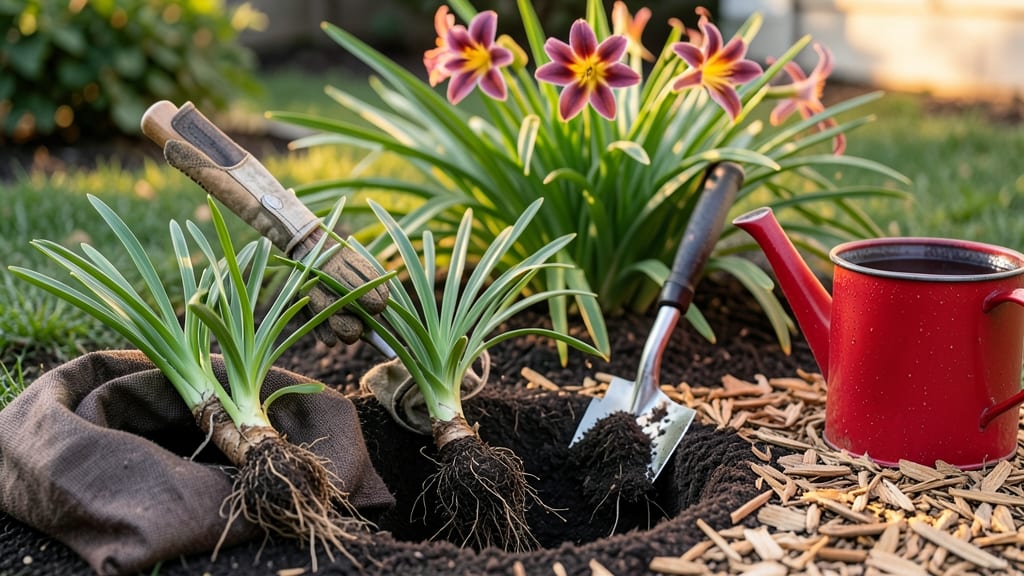
Planting daylilies in Texas isn’t just about picking a season—it’s about beating the heat and avoiding the frost. The wrong timing can leave your 🌸 struggling under scorching sun or freezing overnight.
Whether you're in North Texas where frost lingers until February or South Texas where winter is rare, knowing the exact window makes all the difference.
Texas gardeners face unique challenges: brutal summers, unpredictable frost dates, and soil that can bake hard as rock. But here’s the good news—daylilies are tough, and with the right strategy, they’ll thrive in your yard.
I’ll break down the best months for planting in your specific heat zone, so you can set those roots down when conditions are perfect.
Fall planting (September–November) is ideal for most Texans, giving roots time to establish before summer heat hits. But early spring (February–March) works too, especially in warmer zones. I’ll show you how to prep your soil, choose the right varieties, and keep your daylilies blooming year after year—no guesswork involved.
Ready to grow a garden that survives Texas’ extremes? Let’s dive into the frost-free timeline that’ll have your daylilies flourishing from the start.
Texas heat zone planting windows for daylilies: best months by region
Texas’ diverse heat zones mean your daylily planting window can vary by 100+ days from the Panhandle to the Rio Grande Valley. The key is planting when soil temps hit 60°F and staying ahead of summer’s brutal 100°F+ heat. Let’s break it down by region.
North Texas (Zones 8a-8b) has the shortest frost-free season—just 210 days. Here, aim for late February to early March for spring planting or September to October in fall.
South Texas (Zones 9b-10b) enjoys 330 frost-free days, so you can plant January through April or August to November.
Central Texas (Zones 8a-9a) is the Goldilocks zone—270 frost-free days—with ideal windows from mid-February to March in spring and September to November in fall. Hill Country gardeners should avoid planting in peak summer (June-August) when soil temps exceed 85°F.
🌱 Pro Tip: Use a soil thermometer to confirm temps before planting. Daylilies thrive when roots can establish in 60-75°F soil—any hotter, and they’ll bolt or wilt.
| Region | USDA Zone | Best Planting Months | Soil Temp Goal | Avoid Planting |
|---|---|---|---|---|
| North Texas | 8a-8b | Feb 28-Mar 15, Sep 15-Oct 15 | 60-70°F | May-July (extreme heat) |
| Central Texas | 8a-9a | Feb 15-Mar 31, Sep 1-Oct 31 | 60-75°F | June-August (drought risk) |
| South Texas | 9b-10b | Jan 15-Apr 15, Aug 15-Nov 15 | 65-80°F | None (year-round possible) |
| West Texas | 7b-8a | Mar 1-Apr 15, Sep 15-Oct 30 | 60-70°F | May-Sept (scorching winds) |
| East Texas | 8a-8b | Feb 20-Mar 20, Sep 1-Oct 15 | 60-72°F | June-July (humidity stress) |
For Gulf Coast gardeners, August planting works because humidity keeps soil cooler. But in West Texas, avoid planting after April 15—the 110°F+ summers will fry tender roots. Always check your local Cooperative Extension Service for micro-climate adjustments.
If you’re in Zone 9b+, you can technically plant year-round, but late summer (August-September) gives roots time to establish before winter rains. 🌿 Key: Mulch heavily (3 inches) to retain moisture and regulate soil temps.
Spring planting (February-March) gives daylilies 6-8 weeks to root before summer heat hits. Fall planting (September-November) lets them bloom next spring without competing with summer’s intensity. ✂️ Tip: Trim back dead foliage before planting to reduce transplant shock.
Rainfall patterns matter too. In East Texas, September planting aligns with natural rainfall, while North Texas gardeners should water deeply every 7-10 days post-planting. Use a drip irrigation system to keep crowns dry and prevent rot.
For container gardening, plant anytime soil temps are ideal—just ensure pots have drainage holes and use lightweight potting mix. Move containers to shade during 100°F+ heat waves to protect roots.
Remember: Daylilies are drought-tolerant
Signs your Texas soil is ready for daylilies (and how to fix it)
Before you rush to plant daylilies in Texas, your soil must pass three critical tests: drainage, pH balance, and organic matter. Skipping these checks can lead to root rot or poor blooming—especially in Texas’ heavy clay soils. Let’s diagnose your garden’s readiness with simple, no-equipment tests.
Start with the drainage test: Dig a 12-inch hole and fill it with water. If the water drains within 4 hours, your soil is ideal. If it pools for days, amend with coarse sand or perlite to improve airflow.
Clay-heavy areas like East Texas often need this fix to prevent waterlogged roots.
🌱 KEY TAKEAWAY:
Texas Soil Fixes:
- Clay Soil: Add gypsum (1 lb per 10 sq ft)
- Sandy Soil: Mix in compost (2-3 inches)
- pH Too High: Use sulfur (1/2 lb per 100 sq ft)
- pH Too Low: Sprinkle lime (5 lbs per 100 sq ft)
Next, check your soil pH using a DIY vinegar-baking soda test. Mix 1 tbsp vinegar with 1 cup soil—fizzing means alkaline soil (add sulfur). No fizz?
Mix 1 tbsp baking soda with 1 cup soil—fizzing means acidic soil (add lime). Daylilies thrive in pH 6.0–6.5, so adjust accordingly before planting.
For organic matter, perform the squeeze test: Grab a handful of moist soil. If it crumbles easily, you’re good. If it sticks like Play-Doh, amend with compost or well-rotted manure. Texas’ Hill Country soils often lack this, so top-dress with 2–3 inches of compost before planting.
One final check: soil temperature. Daylilies prefer 60–70°F soil. Use a soil thermometer (or your elbow—if it feels warm but not hot, it’s safe). In North Texas, wait until late February; in South Texas, September is ideal. Planting in cold soil stunts root growth.
With these fixes, your Texas soil will give daylilies the drainage, nutrition, and pH balance they need to thrive. Skip these steps, and you’ll risk weak stems, fewer blooms, or even plant death during Texas’ brutal summers.