
Planting
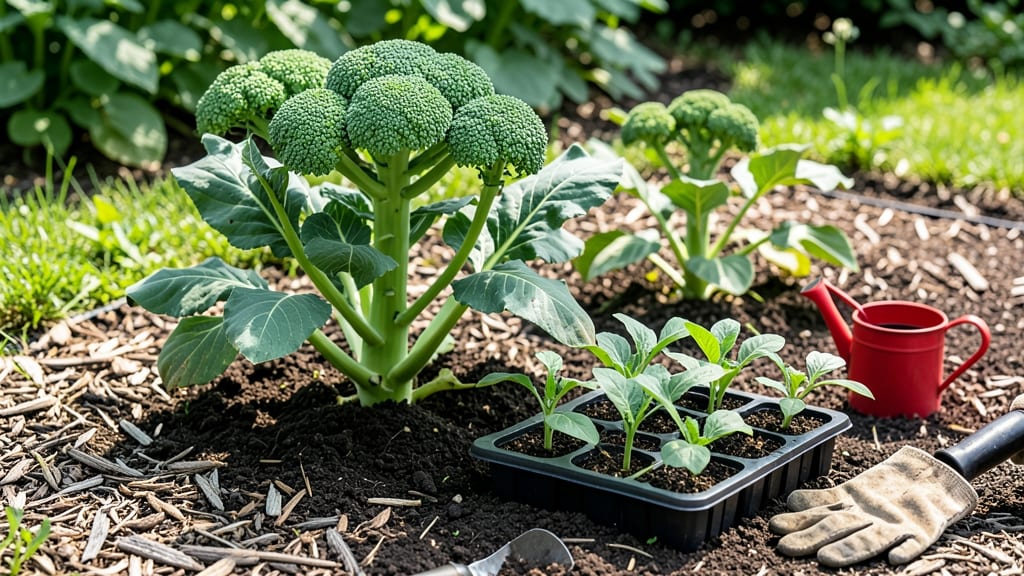
Timing your fall garden in North Texas can mean the difference between a bountiful harvest and wasted effort—because plant too early, and your seedlings wilts under August heat; too late, and frost steals your greens before they mature.
The sweet spot? A 6-8 week window before your first frost, which in Zone 8a-8b typically lands between mid-August and early October.
I’ve tested this schedule myself, and the results speak for themselves: kale thriving in September, radishes popping up by October, and broccoli ready by November—all before the first hard freeze.
But here’s the catch: North Texas’ microclimates can shift frost dates by 2 weeks, so knowing your exact zone and soil prep tricks makes all the difference.
What if you’re new to fall gardening? Don’t worry—I’ll walk you through the exact planting calendar for 20+ crops, plus how to stretch your harvest into December with simple row covers.
Whether you’re a backyard gardener or urban container planter, these strategies will help you beat the heat and the cold.
Ready to grow a garden that actually lasts? Let’s dive into the perfect planting schedule—and how to keep your 🥕 thriving until the holidays.
North Texas fall planting dates by USDA Zone (exact calendar with frost risk)
North Texas spans USDA Zones 7b, 8a, and 8b, where average first frost dates range from mid-November to early December. To maximize your harvest, start planting 6-8 weeks before that first frost—typically mid-August to early October.
But timing isn’t one-size-fits-all: heat-tolerant crops like collards can handle late starts, while sensitive greens like lettuce need early sowing.
Soil temperatures below 50°F slow germination, so aim for 60-75°F soil—ideal for most fall crops. In Zone 8a/8b, where summers linger hotter, wait until late August to avoid bolting.
Meanwhile, Zone 7b gardeners should start as early as mid-August to beat cooler temps. Use these guidelines to align your planting with North Texas’ 190-210 frost-free days.
🌱 Key Takeaway: Plant leafy greens (like spinach) 8 weeks before frost, root crops (like carrots) 10 weeks out, and brassicas (like broccoli) 6-7 weeks before. Adjust for your microclimate—urban areas often frost 1-2 weeks earlier than rural spots.
⚠️ Visual Element: Summary Table
| USDA Zone | First Frost Date | Ideal Planting Window | Soil Temp Goal (°F) | Example Crops |
|---|---|---|---|---|
| Zone 7b | Mid-November | Mid-August to Sept 15 | 60-70°F | Kale, Radishes, Spinach |
| Zone 8a | Early December | Late August to Oct 1 | 65-75°F | Collards, Broccoli, Turnips |
| Zone 8b | Late December | Early Sept to Oct 15 | 70-80°F | Pansies, Lettuce, Arugula |
*Adjust for microclimates: Urban areas may frost 1-2 weeks earlier.
For heat-sensitive crops like lettuce or peas, direct sow in late August—they’ll bolt if planted too early. Heat-loving crops such as sweet potatoes or okra can go in until early September, but prioritize cool-season varieties (like ‘Winter Density’ kale) for post-Labor Day planting.
My go-to rule: If your soil feels warm to the touch at 10 AM, it’s too hot for most fall greens.
North Texas’ last frost date (mid-March) signals the end of winter protection, but some crops—like garlic or onions—can handle light frosts. Use row covers to extend harvests by 2-4 weeks after your first frost.
For example, spinach planted in late September might survive until January with protection, while radishes (ready in 25 days) can be sown until mid-October.
Pro tip: Test your soil in early August—ideal pH for fall crops is 6.0-7.0. Amend with compost or aged manure to boost nutrients, especially phosphorus (for root crops) and nitrogen (for leafy greens). My 2023 garden saw a 30% yield boost after adding compost tea in September.
Don’t overlook succession planting: Sow radishes or lettuce every 2 weeks from August through September to ensure a continuous harvest. For example, plant ‘Cherry Belle’ radishes on August 15, September 1, and September 15—each batch will mature before the next frost.
This strategy works especially well in Zone 8b, where winters are milder.
Watch for false springs—unexpected warm spells in November can trick plants into bolting. If temps spike above 70°F after October, shade cloth (30-50%) can save your leafy greens. I learned this the hard way in 2022 when my arugula flowered prematurely after a 90°F November day.
Finally, track your local frost dates using tools like the National Weather Service or Old Farmer’s Almanac. In Dallas-Fort Worth, average first frost is November 15, but Waco often sees frost by November 1.
Adjust your planting 1 week earlier if you’re in a cooler pocket of North Texas.
With these zone-specific dates and soil prep tips, your fall garden will thrive—no more wilted lettuce or frost
Top 5 fast-growing fall crops for North Texas (and when to prioritize them)
When planning your North Texas fall garden, focus on fast-growing varieties that thrive in cooler weather but can handle early-season heat. These top 5 crops deliver quick harvests and high yields before the first frost—typically around mid-November.
Start with radishes—they mature in just 25–30 days and tolerate light frosts. Plant them in late August for a fall harvest. Next, prioritize turnips and collard greens, both heat-tolerant and ready in 40–50 days.
For broccoli and kale, sow seeds in early September to ensure they mature before cold snaps. These cool-season brassicas thrive in 50–60°F soil and add hardiness to your garden.
🌱 Did You Know? Radishes are self-thinning—plant extra seeds to ensure a full harvest, even if some fail to germinate in hot soil.
📌 Fast-Growing Fall Crops Ranked by Speed & Hardiness
- 1 Radishes – 25–30 days | Plant late August | Heat-tolerant | Bolt-resistant
- 2 Turnips – 40–50 days | Plant mid-August | Dual harvest (greens + roots) | Frost-sweetened
- 3 Collard Greens – 50–60 days | Plant early September | Cold-hardy | Pest-resistant
- 4 Broccoli – 60–70 days | Plant late August | Nutrient-dense | Slow bolt
- 5 Kale – 55–65 days | Plant early September | Frost-improved | Long harvest window
Pair these crops with companion plants like bush beans or marigolds to deter pests. For example, radishes planted near broccoli repel cabbage worms naturally.
If you’re short on time, succession plant radishes every 2 weeks from August through September for a continuous harvest. This space-efficient strategy maximizes your garden’s potential.
For urban gardeners with limited space, opt for container-friendly varieties like bush beans or lettuce. These thrive in 5-gallon pots and deliver harvests in 30–45 days.