
Plants
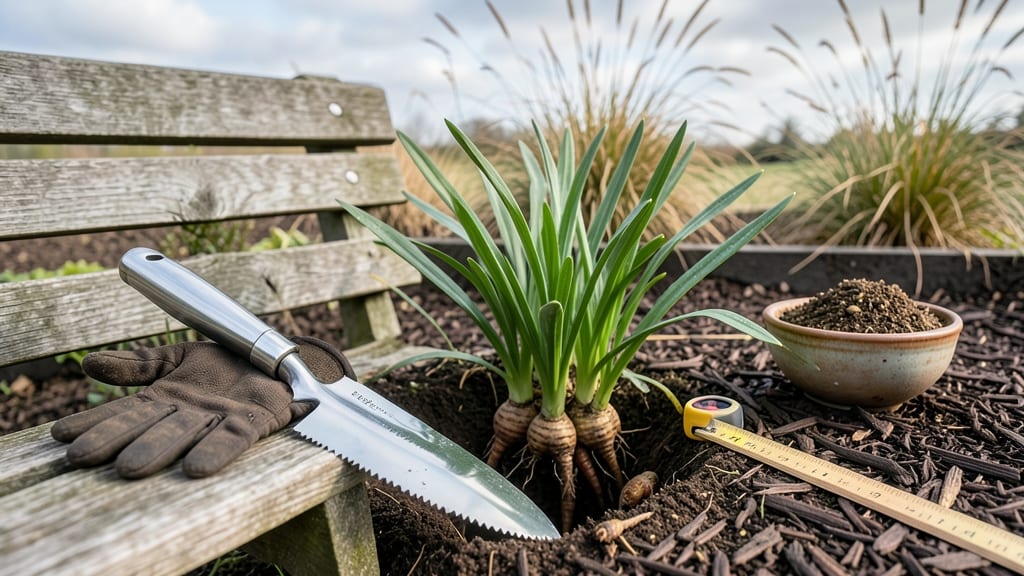
If you're wondering when to plant daylily bulbs in Zone 5, timing is everything—get it wrong, and your 🌸 may struggle to establish roots before winter's chill sets in.
Unlike true bulbs, daylilies thrive when planted in cooler soil, making early spring or late summer the sweet spot for strong root growth.
Zone 5 gardeners face unique challenges with shorter growing seasons and unpredictable frost dates. Planting too early risks frost damage, while waiting too long can delay blooms. The secret? Focus on soil temperature—aim for 50°F or warmer—and you'll give your daylilies the best shot at flourishing.
Spring planting offers a head start, but fall can be just as effective if you time it right—6-8 weeks before frost. I'll walk you through the exact months to plant, how to prep your soil, and why some gardeners swear by one season over the other.
Ready to transform your garden with vibrant blooms? Let's dive into the frost-free timeline that'll have your daylilies thriving for years to come.

Zone 5 daylily planting timeline: exact months and frost-free rules
Daylilies thrive in Zone 5 when planted during their ideal windows—early spring or early fall. Unlike true bulbs, daylilies grow from rhizomes, which need time to establish roots before winter or summer heat.
The last frost date (typically mid-May) and soil temperature (above 50°F) are your best guides.
Spring planting gives rhizomes 6-8 weeks to root before summer, while fall planting allows 4-6 weeks of root growth before winter dormancy. Miss these windows, and you risk stunted growth or winter kill. Let’s break down the exact months and frost-free rules to nail your timing.
🌱 Key Insight: Daylilies are hardy perennials (Zone 3-9), but their rhizomes need 60°F+ soil to sprout. In Zone 5, this usually means late April to early June for spring or September to early October for fall.
| Planting Window | Zone 5 Months | Soil Temp | Frost Risk | Root Growth |
|---|---|---|---|---|
| Early Spring | March–April | 45–55°F | Low (post-frost) | Moderate (6–8 weeks) |
| Late Spring | May–June | 60–70°F | None | Fast (8–10 weeks) |
| Early Fall | September–October | 55–65°F | Low (pre-frost) | Moderate (4–6 weeks) |
| Avoid | July–August | >75°F | High stress | Poor establishment |
In Zone 5, your last frost date (around May 10) signals the start of the safe planting window. For spring, aim to plant 2–3 weeks before this date to give rhizomes time to root.
If you’re planting in fall, do it 6–8 weeks before the first frost (around October 10) to ensure roots harden off.
Soil temperature is non-negotiable. Daylily rhizomes won’t sprout until soil reaches 50°F, and they thrive at 60–70°F. Use a soil thermometer to check—if it’s below 50°F, wait. Mulch with straw or shredded leaves to regulate temperature and retain moisture.
Urban gardeners in Zone 5 often face microclimate challenges, like heat islands or late frosts. If your area runs 2 weeks later for frost, adjust your timeline accordingly. Rural areas with cooler nights may need to plant earlier to avoid summer drought stress.
Pro tip: Divide and replant established daylilies in early spring (March–April) to refresh growth. This also gives you new rhizomes to plant in fall if needed. Just avoid disturbing them during active blooming—wait until after flowers fade.
If you plant in late spring (June), your daylilies may bloom smaller that year since they’re playing catch-up on root growth. For maximum blooms, stick to the early spring or fall windows and give them well-draining soil with organic matter.
Remember: Daylilies are not true bulbs—they’re rhizomatous perennials. This means they spread horizontally, so give them space (18–24 inches apart) to avoid crowding.
Planting too deep (more than 2 inches) can suffocate them, while planting too shallow (less than 1 inch) exposes rhizomes to drought or frost.
Zone 5 daylily planting timeline: exact months and frost-free rules
In Zone 5, daylilies (Hemerocallis) need precise timing to thrive—plant too early, and frost will damage tender roots; too late, and they won’t establish before winter.
The ideal window is when soil temperatures reach 50°F (10°C), typically 2-3 weeks before your last frost date in spring or 6-8 weeks before first frost in fall.
For most of Zone 5, this translates to March through May for spring or September through early October for fall. Urban areas may experience earlier frosts than rural zones, so adjust accordingly. Always check your local frost dates—they can vary by 1-2 weeks even within the same zone.
🌱 Key Rule: Daylilies aren’t true bulbs—they’re rhizomes that need cool soil to root. Planting in warm soil (above 60°F/15°C) can cause rot. Use a soil thermometer to confirm readiness.
| Season | Optimal Months | Soil Temp Requirement | Frost Risk |
|---|---|---|---|
| Spring | March–May | 50°F–60°F (10°C–15°C) | Low (post-last frost) |
| Fall | September–October | 55°F–65°F (13°C–18°C) | Moderate (6–8 weeks before first frost) |
🌡️ Pro Tip: Test soil temp at 4" depth for accuracy.
Spring planting gives daylilies a full growing season to establish roots before winter, while fall planting leverages cooler temperatures to reduce stress. In Zone 5, late May plantings risk stunted growth if summer heat arrives early, so prioritize March–April for spring.
For fall, aim to finish planting by mid-October—any later, and new roots won’t harden before frost. Mulch heavily (3–4 inches) after planting to insulate rhizomes. In colder microclimates, extend the window by 1–2 weeks with row covers.
Missed the ideal window? Don’t panic—daylilies are resilient. Plant in early June if necessary, but expect smaller blooms the first year. The key is consistent moisture and partial shade during hot spells to help roots catch up.