
Planting
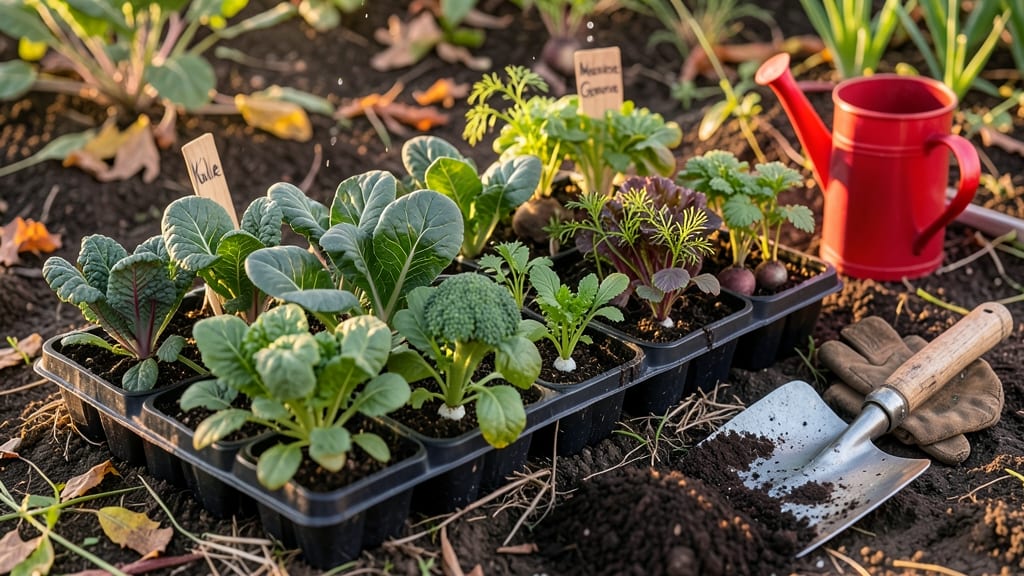
Knowing when to plant a fall garden in South Texas can mean the difference between a bumper crop of 🌽🥕🍠 and a struggling patch of wilted plants.
The secret isn’t just about timing—it’s about working with the region’s unique climate, where summer heat lingers well into September and mild winters keep growing seasons flexible.
If you’ve ever watched your seedlings struggle under the relentless South Texas sun or wondered why your greens bolt before they’re ready, you’re not alone.
The key is planting heat-tolerant varieties at the right moment—typically between late July and early October—to give them time to establish roots before temperatures drop.
In this guide, I’ll break down the exact planting windows for your favorite fall crops, from tomatoes to leafy greens, and share proven strategies to beat the heat.
Whether you’re a seasoned gardener or just starting, these tips will help you grow a thriving garden even in USDA Zones 9a-10a.
Let’s dive into the best times to plant, the crops that thrive in South Texas’ fall conditions, and how to avoid common mistakes that can ruin your harvest. Ready to get growing?
South Texas fall planting calendar: exact dates for heat-tolerant crops
South Texas’ long, hot summers and mild winters create a unique growing window for fall gardens. The key is planting heat-tolerant varieties early enough to mature before the first frost—typically around December 1 in most areas.
My strategy? Start seeds indoors in late July and transplant outdoors by mid-August to beat the worst heat.
Unlike northern climates, South Texas gardeners can extend the season by choosing crops that thrive in 85-95°F temperatures and using shade cloth during heat spikes. The August-September planting window is critical—this gives most vegetables 90-120 days to mature before winter sets in.
Let’s break down the exact dates for your top crops.
🌱 Visual Guide: South Texas Fall Planting Timeline
| Crop Type | Ideal Planting Window | Days to Maturity | Notes |
|---|---|---|---|
| Tomatoes (Heat-Tolerant) | Late July - Early August | 60-75 days | Use Solar Fire or Heatmaster varieties |
| Peppers (Malagueta, Jalapeño) | Mid-August - Early September | 70-85 days | Plant in full sun with mulch |
| Squash (Butternut, Zucchini) | Early August - Mid-September | 50-60 days | Succession plant every 2 weeks |
| Leafy Greens (Swiss Chard, Kale) | Late August - Early October | 30-50 days | Choose heat-resistant varieties like Bright Lights |
| Root Vegetables (Carrots, Beets) | Mid-August - Late September | 60-70 days | Loosen soil to prevent forking |
| Green Beans (Bush or Pole) | Early September - Mid-October | 50-60 days | Plant in well-draining soil to avoid rot |
For succession planting, I recommend staggering seeds every 2 weeks after your initial planting. This ensures a continuous harvest of leafy greens and beans well into November.
For example, if you plant Swiss chard on August 15, follow up with another batch on September 1 and September 15.
Pro tip: Monitor your soil temperature—it should stay above 70°F for optimal germination. Use a soil thermometer to avoid planting too early when the ground is still too hot. My rule of thumb? Wait until evening temperatures drop below 90°F before transplanting seedlings.
Don’t overlook shade cloth during late August heat spikes. A 30-50% shade cloth can reduce soil temperature by 10-15°F and protect young plants from stress. I’ve seen tomato seedlings bolt when exposed to direct sun during 100°F+ days, so this is a game-changer for fall gardens.
Remember, South Texas’ first frost date varies slightly by year, but planning for December 1 gives you a safe buffer. For extra insurance, keep row covers on hand—these can extend your harvest window by 2-3 weeks if a cold snap arrives early.
My Black Beauty eggplants have thrived until mid-November with this protection.
Finally, prioritize drought-tolerant varieties like Malagueta peppers and Black Krim tomatoes. These perform better in South Texas’ residual summer heat and require less frequent watering once established. With the right timing and varieties, your fall garden can be just as productive as your spring one!
🌱
Best heat-tolerant vegetables for South Texas fall gardens
South Texas’ long, hot summers make choosing the right heat-tolerant vegetables essential for a successful fall garden. Unlike cooler climates, you’ll want varieties that thrive in 85°F+ temperatures but can also handle the gradual drop toward winter.
My top picks include Malagueta peppers, Black Beauty eggplants, and heat-resistant lettuce like Jericho or Black Seeded Simpson.
These crops not only survive the heat but also produce abundant harvests before the first frost. For example, squash varieties like Butternut or Acorn can handle the residual summer heat while maturing quickly.
Meanwhile, leafy greens like collards or Swiss chard become sweeter as temperatures drop, making them perfect for late fall planting.
Here’s a ranked list of the top 10 heat-tolerant vegetables for South Texas, along with their planting depth and spacing needs to maximize your garden’s potential:
- Malagueta Peppers – Plant 1/2 inch deep, 18 inches apart. Thrives in heat and produces spicy fruit until frost.
- Black Beauty Eggplants – Sow 1 inch deep, 24 inches apart. Heat-loving and disease-resistant.
- Butternut Squash – Plant 1 inch deep, 3 feet apart. Vining habit; trellis for space-saving.
- Jericho Lettuce – Direct sow 1/4 inch deep, 12 inches apart. Bolt-resistant in heat.
- Okra – Drop seeds 1 inch deep, 18 inches apart. Drought-tolerant and prolific.
- Black Seeded Simpson Spinach – Plant 1/2 inch deep, 4 inches apart. Heat-tolerant variety.
- Sweet Potatoes – Slip slips 4 inches deep, 12 inches apart. Thrives in warm soil.
- Collard Greens – Sow 1/2 inch deep, 12 inches apart. Sweeter after frost.
- Green Beans (Bush Type) – Plant 1 inch deep, 4 inches apart. Fast-growing and heat-resistant.
- Swiss Chard – Direct sow 1/2 inch deep, 10 inches apart. Cut-and-come-again harvests.
For succession planting, focus on fast growers like bush beans or radishes every 2-3 weeks after your initial planting. This ensures a continuous harvest as temperatures cool. For example, I plant radishes every 10 days in August to keep my kitchen stocked with crisp, peppery roots all fall.
Pro tip: Mulch heavily with straw or grass clippings to retain moisture and regulate soil temperature. This is especially critical in South Texas, where evaporation rates are high and soil can dry out quickly.
A 2-3 inch layer of mulch keeps roots cool and conserves water, reducing your workload during peak heat.
Don’t overlook container gardening for heat-sensitive crops like lettuce. Use 5-gallon pots with self-watering capabilities to give greens a fighting chance in late summer. I’ve had great success with container-grown Swiss chard on my patio, where it thrives in partial shade and stays crisp for weeks.