
Plants
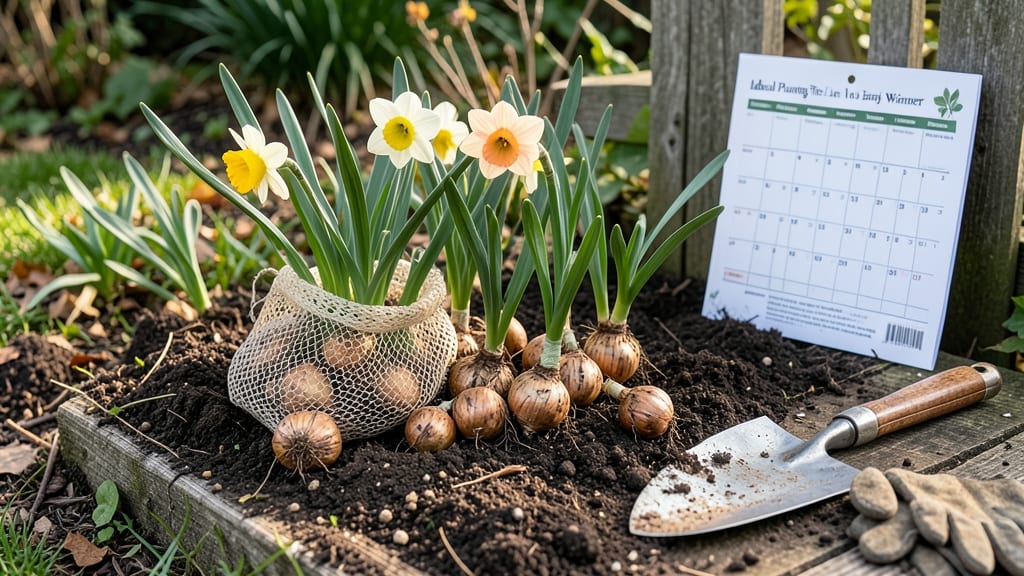
If you're wondering when to plant daffodils in Ohio, timing is the secret to those cheerful 🌼 blooms popping up reliably every spring. Ohio’s USDA Zone 6a climate means you’ve got a narrow window—typically between mid-October and early November—to get those bulbs in the ground before winter sets in.
Planting too early can leave bulbs vulnerable to rot, while waiting too long risks shallow roots that struggle to establish before frost. The key is working with Mother Nature: aim for when soil temperatures drop to 50-60°F—usually around 6-8 weeks before the ground freezes.
This guide breaks down the exact Ohio timeline, soil prep tips, and how to protect your investment from unpredictable Zone 6a winters. Whether you're a first-time gardener or a seasoned pro, these insights will help you skip the guesswork and get those daffodils thriving.
We’ll also cover what to do after planting—like mulching and watering—to give your bulbs the best shot at bold, early-spring blooms. Let’s get those 🌼 dreams planted right!
Ohio daffodil planting timeline: month-by-month USDA Zone 7b guide
Ohio’s USDA Zone 7b climate creates a narrow window for planting daffodil bulbs—miss it, and your spring blooms may suffer. The key is planting 6-8 weeks before the ground freezes, typically between mid-October and early November. This timing ensures bulbs establish roots before winter dormancy begins.
For Ohio gardeners, the first frost date (around October 15) and soil temperature thresholds (below 50°F) signal the perfect planting window. Columbus and Cincinnati may vary slightly, but this general rule applies statewide.
Here’s your month-by-month breakdown for planting daffodils in Ohio, including soil prep and post-planting care:
| Month | Planting Window | Soil Temp | Action Items |
|---|---|---|---|
| September | Early (if soil is warm) | 60-70°F | Test soil moisture; prep beds |
| October | Ideal Window | 50-60°F | Plant bulbs 6" deep; mulch |
| November | Late (if ground isn’t frozen) | Below 50°F | Add 2-3" mulch; water lightly |
| December | Too late (bulbs won’t root) | Frozen | Focus on winterizing beds |
🌱 Pro Tip: Use a soil thermometer to confirm temps—plant when soil is 50-60°F.
If you’re in northern Ohio (Zone 6a), aim for late September to mid-October. Southern Ohio (Zone 7a) can wait until early November. Always plant bulbs 6-8 weeks before the first hard frost—this ensures they develop roots before winter sets in.
For Columbus gardeners, the average first frost is October 15, so plant between September 20 and October 15. In Cincinnati, slightly warmer microclimates may extend the window to early November.
Urban areas with concrete heat islands might stay warmer longer, but avoid planting after November 10.
After planting, mulch with 2-3 inches of straw or shredded leaves to insulate bulbs. This protects them from freeze-thaw cycles and keeps soil temps stable. Remove mulch in early spring (March) to allow foliage to emerge.
Water newly planted bulbs deeply once after planting—this encourages root growth. Avoid overwatering, as soggy soil can rot bulbs. In drought-prone areas, add a 1-inch layer of mulch to retain moisture until winter.
By following this timeline, your daffodils will bloom reliably in spring, often as early as late March to April. The secret? Timing + soil prep—Ohio’s unpredictable winters demand both.
5 Critical factors that determine perfect daffodil planting in Ohio
Ohio’s USDA Zone 6a climate means daffodil planting success hinges on more than just picking a month—it’s about soil temperature, bulb depth, and microclimates that vary even between Columbus and Cincinnati. Let’s break down the 5 non-negotiable factors that’ll make or break your daffodil blooms next spring.
First, soil temperature is your golden rule. Daffodil bulbs need the ground to cool to 50-60°F before planting—typically by mid-October in Ohio. Use a soil thermometer to check; if it’s warmer, wait. Too early, and bulbs may rot; too late, and roots won’t establish before frost.
Next up: bulb depth. Plant daffodils 6-8 inches deep (or 3x the bulb’s height) for stability and frost protection. Shallow planting exposes bulbs to heaving (frost push-up) and critters like voles. Use a trowel to dig holes and a measuring tape to ensure consistency.
Don’t overlook sunlight exposure. Daffodils thrive in full sun (6+ hours daily), but Ohio’s urban vs. rural microclimates matter. Urban areas (like Cleveland) may have pollution-related shade, while rural spots (like Dayton) get unfiltered sun.
Test your spot with a sun gauge for 24 hours before planting.
Drainage is another silent killer. Ohio’s clay-heavy soils can trap water, leading to bulb rot. Amend your soil with compost or sand to improve drainage, and avoid low-lying areas where water pools. A quick test: Dig a hole, fill it with water, and time how long it drains—2 hours or less is ideal.
Lastly, mulching after planting protects bulbs from temperature swings and erosion. Apply 2-3 inches of mulch (straw or shredded leaves work best) once the ground freezes. This insulates roots while keeping them from drying out during Ohio’s winter thaws.
Pro tip: Mark your planting spots with wooden stakes or flags so you remember where bulbs are—daffodil foliage can look like weeds in early spring! With these factors nailed, your Ohio garden will burst with 🌼 blooms year after year.