
Flowers
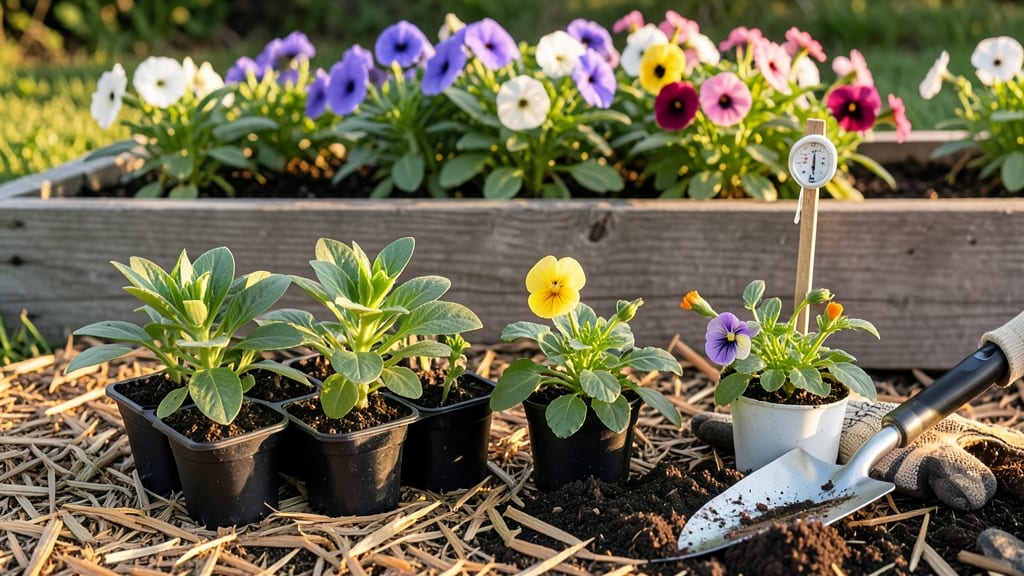
Knowing when is it safe to plant flowers in Michigan can mean the difference between a garden bursting with 🌸 and one that never takes off. Michigan’s unpredictable spring weather—where frost can linger well into April—makes timing the most critical factor for success.
If you’ve ever rushed to plant too early only to watch delicate blooms wilt overnight, you’re not alone. The key is waiting until soil temperatures hit at least 50°F and the last frost date has passed—typically between April 15 and May 15 in most of the state.
But here’s the catch: even that window varies by zone, from 5b in the Upper Peninsula to 6b in southern Michigan.
In this guide, I’ll break down exactly when to plant—whether you’re growing hardy annuals like pansies or heat-loving petunias—plus 5 foolproof signs it’s really safe to dig in. No more guesswork, just blooms.
Ready to transform your garden? Let’s get those flowers in the ground at the perfect moment—so you can enjoy them all season long.
Michigan frost-free dates by USDA plant hardiness Zone (2024 guide)
Michigan spans USDA Zones 4-7, meaning frost dates vary dramatically from the Upper Peninsula to Detroit. The average last frost typically arrives between April 10-20, but your exact timing depends on whether you're in Zone 4 (coldest) or Zone 6 (warmest).
For example, Traverse City (Zone 6a) often sees frost-free soil by April 15, while Marquette (Zone 4b) may wait until May 1.
Even within the Lower Peninsula, Southern Michigan (Zone 6b) can plant 2-3 weeks earlier than Northern Michigan. Always check Michigan State University's frost maps for real-time updates, as unpredictable late frosts can still occur in May.
I’ve planted pansies in early April only to lose them to a May frost—lessons learned the hard way!
Here’s what you need to know about planting windows for Michigan’s three main regions:
For annual flowers, wait until after the last frost date—but don’t rush! Cool-season flowers like pansies and snapdragons can handle light frosts, while tender varieties (e.g., petunias and marigolds) need consistently warm soil (at least 50°F).
I’ve found that using a soil thermometer is far more reliable than guessing.
If you’re in Zone 4 or 5, consider starting heat-sensitive flowers indoors in March to give them a head start. For example, geraniums and impatiens thrive when transplanted 2-3 weeks before the last frost.
Meanwhile, perennials like coneflowers can often be planted in early spring or even fall for better root establishment.
Pro tip: Extend your season with row covers or cold frames. I’ve successfully planted calendulas in early April under a floating row cover, which protected them from late frosts while still allowing sunlight. Just remove the cover once nighttime temps stay above 40°F.
Michigan’s first frost typically arrives in mid-October, but fall-blooming flowers (like mums and asters) can often handle light frosts. For tender perennials, wait until after Labor Day to plant, or use mulch to insulate roots.
I’ve had black-eyed Susans survive October frosts when covered with straw mulch.
Always double-check with local resources like the Michigan State University Extension or your county’s agricultural office. Their frost-free date maps are updated annually and account for microclimates (e.g., urban areas may warm up faster than rural zones).
For example, Ann Arbor’s frost dates can differ by 5-7 days from nearby Ypsilanti.
Remember: Soil temperature matters more than air temperature. Use a soil thermometer to confirm 50°F+ before planting warm-season flowers. I’ve seen 60°F air temps in April with 40°F soil—a recipe for stunted growth. Always prioritize root-zone warmth over calendar dates.
🌱
How to adjust planting times for early vs. late bloomers
Not all flowers play by the same rules. Cold-hardy annuals like pansies and snapdragons can handle Michigan’s chilly springs, while heat-loving varieties like petunias and marigolds need warmer soil to thrive. Knowing which camp your flowers fall into lets you fine-tune your planting schedule for maximum blooms.
For early bloomers, start seeds indoors by late February to early March—they’ll be ready to transplant as soon as soil warms to 40°F. Hardier types like calendula or stock can even go straight into the ground by mid-April in most zones.
🌱 Pro Tip: Use row covers or cold frames to extend the season by 2-4 weeks. These simple tools trap heat and protect tender seedlings from late frosts, giving you an earlier start.
🌿 Numbered Highlights: Planting by Flower Type
- 🥶 Cold-Hardy Annuals (Plant by April 15): Pansies, snapdragons, sweet peas, and stock can handle 32°F+ temps.
- ☀️ Heat-Loving Annuals (Wait until May 1): Petunias, marigolds, and geraniums need soil at 55°F+.
- 🌱 Perennials (April 20-May 10): Coneflowers, black-eyed Susans, and daylilies prefer established roots before heat sets in.
- 🌷 Bulbs (Fall or Early Spring): Tulips and daffodils planted in fall bloom earlier; spring-planted bulbs like dahlias need warmer soil.
- 🌿 Vegetable Flowers (Adjust for Edibles): Nasturtiums (edible) and borage thrive in cooler soil but pair well with veggies.
If you’re unsure about your microclimate, observe local trees. When maple or birch leaves fully unfurl, it’s a sign the air has warmed enough for most annuals. Pair this with a soil thermometer—50°F+ is your green light for heat-lovers.
For late-season bloomers like cosmos or zinnias, don’t wait until June! Sow directly in late May for a summer-to-fall display. These varieties self-seed easily, so a little patience pays off with months of color.
🌻 Remember: Even the best timing can’t override poor soil prep. Amend beds with compost and a balanced fertilizer (10-10-10) before planting to give your flowers the best start.