
Plants
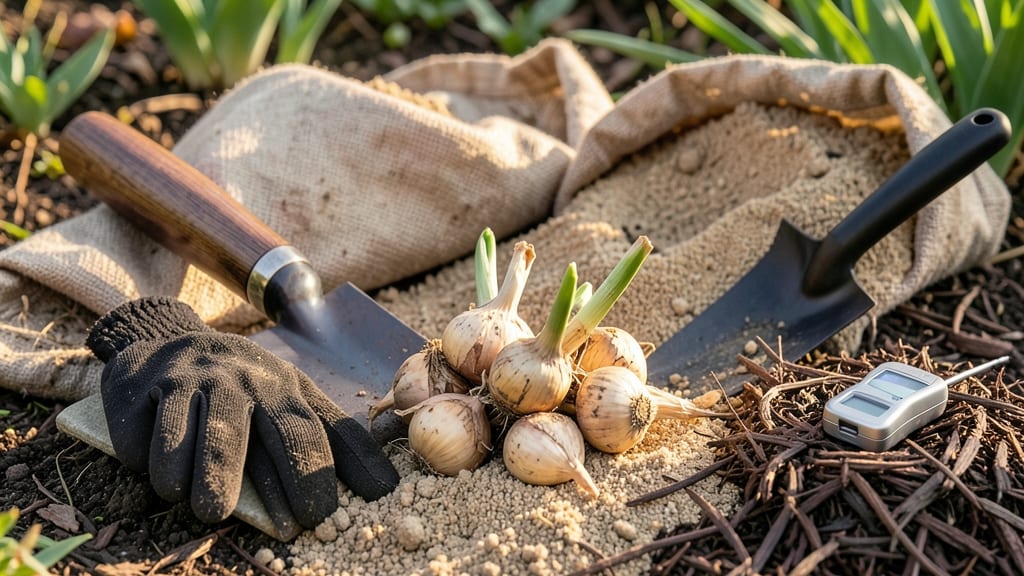
If you’ve ever dreamed of waking up to a yard bursting with bright yellow daffodils 🌼, knowing when to plant daffodils in North Carolina is the secret weapon—especially in the state’s unpredictable climate.
Planting these cheerful bloomers too early risks rot, while waiting too late can leave you with weak or nonexistent flowers next spring.
For North Carolina gardeners, the ideal window is narrow but sweet: October through November, when soil stays warm enough for roots to establish but cold snaps haven’t yet arrived. This isn’t just guesswork—it’s about reading your zone (like 6b-8a) and local frost dates to lock in success.
I’ll break down exactly when to dig in your region, from the mountains to the coast, plus soil prep tricks that make all the difference. Whether you’re a first-time planter or a seasoned pro, these steps will ensure your daffodils thrive—and steal the show come March.
Ready to turn your fall chore into next year’s spring spectacle? Let’s get those bulbs in the ground the right way.
NC planting zones & best months for daffodil success
North Carolina spans USDA zones 5b through 8a, meaning frost dates and planting windows vary dramatically from the mountains to the coast. In zone 5b (western NC), daffodil bulbs need to hit the ground by mid-October to establish roots before winter.
Meanwhile, zone 8a (coastal NC) gardeners have until late November—but don’t wait too long! The key is planting 6-8 weeks before the first frost in your area.
Use this rule of thumb: Count backward from your average first frost date (typically November 15 for most of NC). For example, if frost hits November 1 in the mountains, aim to plant by September 15.
Coastal areas can push planting to mid-November safely. Always check your local frost calendar—NC State Extension’s Frost Freeze Tool is a game-changer for precision.
🌱 Pro Tip: If you’re unsure about your exact zone, use a hardiness zone map (like the one from the NC State Climate Office) and cross-reference with your county’s frost history. Microclimates—like urban heat islands or sheltered valleys—can shift your planting window by 2-3 weeks.
| NC Region | USDA Zone | First Frost Avg. | Planting Window | Soil Prep Tip |
|---|---|---|---|---|
| Mountains (Asheville) | 5b-6a | Oct 15-Nov 1 | Sep 15-Oct 15 | Add compost to improve drainage |
| Piedmont (Raleigh) | 7a-7b | Nov 15-20 | Oct 1-Oct 31 | Test pH (aim for 6.0-7.0) |
| Coastal (Wilmington) | 8a | Nov 30-Dec 5 | Oct 15-Nov 15 | Amend sandy soil with peat moss |
🌡️ Note: Adjust for microclimates—e.g., urban areas may frost 1-2 weeks later.
Soil temperature is just as critical as calendar dates. Daffodil bulbs need soil temps between 40°F and 60°F to root properly. Use a soil thermometer to check—if temps drop below 40°F, cover bulbs with straw mulch (3-4 inches) to insulate them.
In zone 8a, where winters are milder, you can even plant as late as December, but expect smaller blooms the first year.
One common mistake NC gardeners make? Planting in September when soil is still warm. Bulbs planted too early may sprout prematurely and get fried by summer heat.
Wait until soil temps drop below 70°F—usually by late September in the mountains and early October in the Piedmont. For coastal areas, mid-October is ideal.
If you’re in zone 7b or warmer, consider layered planting: tuck a few bulbs in December for a staggered bloom time. This works especially well for late-blooming varieties like ‘Ice Follies’, which thrive in warmer climates.
Just remember: no planting after the first frost—bulbs won’t survive the freeze.
For container gardening in NC, follow the same timing rules but use well-draining pots with sand or perlite mixed into soil. Containers warm up faster, so plant 2-3 weeks earlier than in-ground bulbs.
Place pots in a shady spot during summer to prevent overheating, then move to full sun in fall.
Finally, don’t overlook bulb quality. Choose firm, plump bulbs labeled for your zone—zone 5-6 bulbs may not thrive in zone 8a’s milder winters. Stores like Barefoot Containers or local NC nurseries (like Plants of Distinction) carry region-specific varieties that perform best in your area.
With the right timing and soil prep, your daffodils will reward you with bold, early spring color that brightens up NC’s often dreary <
Step-by-step planting process for maximum bloom impact
Once you’ve nailed down your NC planting zone and timing, the real magic happens in the soil. Start by selecting high-quality daffodil bulbs—look for firm, plump varieties like Tête-à-Tête for compact gardens or Ice Follies for dramatic white blooms.
Avoid soft or moldy bulbs, as they won’t thrive. My secret? Soak bulbs in lukewarm water for 1 hour before planting to kickstart root growth—this gives them a head start in NC’s cooler fall soil.
Next, prep your planting site with loose, well-draining soil. Daffodils hate soggy roots, so amend heavy clay (common in the Piedmont region) with compost or sand to improve drainage. For Coastal areas, raised beds work wonders if your yard stays wet after rains.
Aim for a sunny spot with 6+ hours of light daily, as this ensures robust blooms next spring.
Fall Planting vs. Spring Planting in NC
Fall Planting (Recommended)
- ✅ Best time: October–November
- ✅ Root growth: Establishes before winter
- ✅ Bloom time: March–May (earlier than spring-planted)
- ✅ NC advantage: Bulbs naturalize over time
Spring Planting (Risky)
- ❌ Best time: February–March (after last frost)
- ❌ Root growth: Struggles to establish before heat
- ❌ Bloom time: Same year but weaker
- ❌ NC risk: Bulbs may rot in wet springs
"Spring planting is like rolling the dice—fall guarantees success in NC’s climate."
When planting, dig holes 3x deeper than the bulb’s height (typically 6–8 inches deep) and space them 3–6 inches apart, depending on variety. Place the bulb pointy end up—this isn’t just a myth, it’s critical for proper growth.
Cover with soil, then water deeply to settle it. For squirrel-prone areas, bury bulbs in chicken wire cages before backfilling.
After planting, mulch with 2–3 inches of straw or shredded leaves to insulate bulbs from freeze-thaw cycles, which can damage emerging roots. Avoid thick mulch, though—too much can cause rot. In Coastal NC’s wetter winters, add a drainage layer of gravel beneath planting holes to prevent waterlogging.
Finally, mark your daffodil beds with flags or stakes—NC winters can erase planting lines! This helps you avoid disturbing bulbs in spring when they’re vulnerable. Come March, you’ll thank yourself for the precise planning when vibrant blooms pop up like clockwork.
Pro tip: If you’re new to daffodils, start with 5–10 bulbs in a cluster. They multiply over time, and before you know it, you’ll have a low-maintenance, deer-resistant garden staple that outshines everything else in spring. Happy planting! 🌼