
Plants
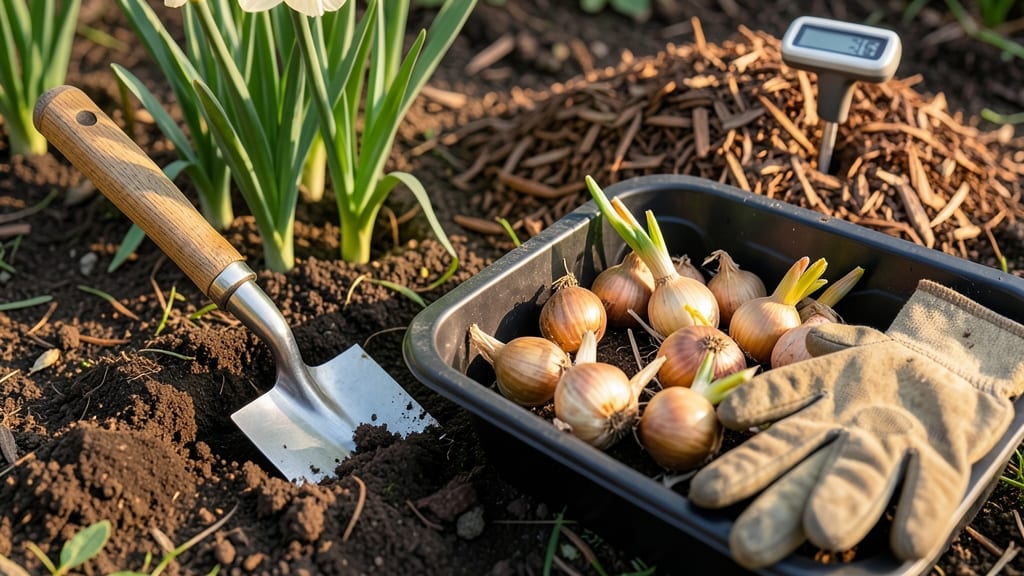
Best months to plant daffodil bulbs in Texas for spring blooms
Timing your daffodil bulb planting in Texas is all about beating the heat while avoiding the first frost. North Texas gardeners have a narrower window than those in Central or South Texas, where milder winters allow earlier planting.
The goal? Get those bulbs in the ground 6-8 weeks before your average first frost—this ensures roots establish before winter dormancy kicks in.
For North Texas (USDA Zones 7b-8a), aim for mid-October to December. In Central Texas (Zones 8a-8b), you’ve got a bit more flexibility with September through November.
Meanwhile, South Texas (Zones 9a-10a) gardeners can plant as late as early November—though I always recommend starting by mid-October for best results.
Soil temperature is your secret weapon. Daffodils need 60°F soil to start growing, but they’ll rot if planted in warm soil above 70°F. In Texas, this usually means waiting until late September or October for most regions.
Use a soil thermometer to check—if it’s consistently below 70°F at 4 inches deep, it’s time to plant!
Here’s the golden rule: Plant daffodil bulbs when daytime temps hover around 70°F and nights dip below 60°F. This sweet spot gives bulbs time to root before winter chills arrive. Pro tip? Check your local frost dates—the Texas A&M AgriLife Extension has great regional maps to guide you.
🌼 Texas Daffodil Planting Timeline by Region
| Region | Ideal Planting Window | First Frost Date | Soil Temp Goal |
|---|---|---|---|
| North Texas (Dallas, Fort Worth) | Mid-October – December | December 1 | 60–70°F |
| Central Texas (Austin, San Antonio) | September – November | November 15 | 60–70°F |
| South Texas (Houston, Corpus Christi) | Late September – Early November | November 1 | 65–75°F |
💡 Note: Adjust for microclimates—higher elevations (e.g., Hill Country) may need earlier planting.
If you’re in a warmer microclimate—like a sheltered garden bed or near a heat-retaining wall—you might push planting to early November.
But be cautious: bulbs planted too late may not establish strong roots before summer’s heat returns. South Texas gardeners can sometimes get away with late November plantings, but I’ve seen mixed success with blooms in these cases.
Don’t forget: Daffodils bloom in spring, so you want bulbs to spend winter rooted but dormant. Planting too early (e.g., August in Texas) risks premature sprouting and bulb rot.
The key is balancing root growth with frost avoidance—a tightrope walk that pays off with vibrant March-April blooms.
For container gardening, you’ve got a bit more flexibility. Plant 4-6 weeks before your first frost and move pots to a protected spot (like a garage or shaded patio) if freezing temps are forecasted.
Just ensure containers have drainage holes—daffodils hate soggy soil, especially in Texas’ humid winters.
One last pro tip: Mark your calendar for 6-8 weeks before your average frost date. In Texas, that’s usually late September to mid-October for most regions. Set a reminder, and you’ll never miss the perfect planting window again. Trust me, your spring garden will thank you!
🌱
How to prepare Texas soil and bulbs for daffodil planting success
Texas soil can be tricky—sandy in some areas, heavy clay in others, and often lacking the nutrients daffodil bulbs crave. Before you plant, amend your soil to create the perfect growing environment.
Start by testing your soil pH; daffodils thrive in slightly acidic to neutral soil, ideally between 6.0 and 7.0. If your soil is too alkaline, mix in peat moss or sulfur to lower the pH gradually.
Next, focus on drainage, which is critical in Texas’ variable rainfall. Daffodils hate soggy roots, so avoid low-lying areas where water pools. If your soil is heavy clay, incorporate compost or coarse sand to improve aeration.
For sandy soils, add organic matter like compost or aged manure to retain moisture without suffocating the bulbs.
🌱 Step-by-Step Soil Prep for Daffodils
- 🔍 Test soil pH (aim for 6.0–7.0)
- 🪴 Loosen soil 12 inches deep with a fork
- 🌿 Add 2–3 inches of compost or aged manure
- ⚠️ Avoid fresh manure (can burn bulbs)
- 💧 Water deeply before planting
Choosing the right daffodil bulbs is just as important as soil prep. Opt for heat-tolerant varieties like 'Ice Follies' or 'Tête-à-Tête,' which handle Texas’ late winters better than traditional types.
Inspect bulbs for firmness and size—look for bulbs that are plump, free of mold, and at least 2 inches in diameter. Soak them in a fungicide solution for 30 minutes before planting to prevent rot, especially if your soil stays damp.
When handling bulbs, plant them at the right depth—typically 6–8 inches deep, with the pointy end facing upward. In Texas’ hotter regions, you can plant slightly shallower (4–6 inches) to help bulbs establish faster.
Space them 4–6 inches apart to allow airflow and reduce disease risk. After planting, cover the area with 2–3 inches of mulch to insulate bulbs from temperature swings and retain moisture.
Timing your watering schedule is key, too. Water thoroughly right after planting, then reduce frequency as winter sets in. Daffodils need consistent moisture but hate soggy conditions—aim for 1 inch of water per week, adjusting for rain.
In North Texas, start watering again in early spring as blooms emerge, while South Texas may need lighter watering due to milder winters.
Finally, protect your bulbs from Texas’ unpredictable freezes. If a late frost is forecasted, cover newly planted beds with straw or burlap to shield tender shoots.
With the right prep, your daffodils will bloom beautifully before summer’s heat peaks—adding a splash of color to your garden when it’s most needed. 🌼