
Plants
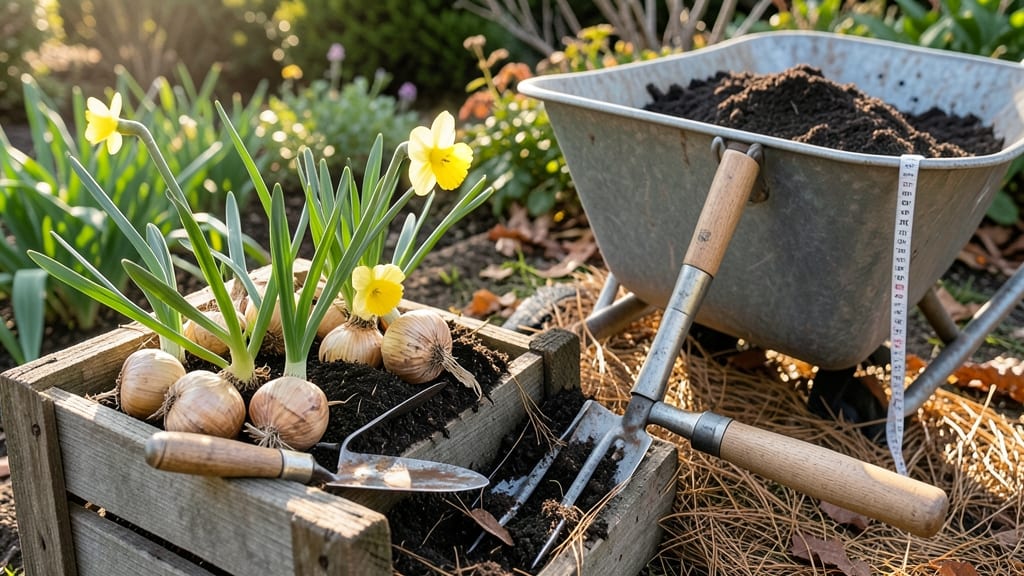
If you're a Maryland gardener eager to see bright yellow daffodils 🌼 popping up next spring, knowing when to plant these daffodil bulbs in Maryland is the key to success.
The perfect window for planting these cheerful bulbs falls between October and November, but getting it just right can make all the difference in your garden's bloom.
Maryland’s USDA Zone 7a climate means you’ve got a narrow but critical window to plant before the ground freezes—typically around mid-November. Planting too early can leave bulbs vulnerable to pests, while waiting too long risks them not establishing roots before winter sets in.
The goal? Get those bulbs in the ground 6-8 weeks before the first frost hits.
Don’t worry if you’re new to daffodil planting—I’ll walk you through exactly how to time it right, from checking soil temperatures to adjusting for Maryland’s microclimates. You’ll also learn how to prep your soil and care for your bulbs so they’re ready to burst into color when spring arrives.
With the right approach, you’ll enjoy a garden bursting with vibrant blooms from April through May, proving that a little patience in fall pays off big time. Let’s dive into the details so you can plant with confidence!
Maryland daffodil planting dates by USDA zone (5b-7a)
Daffodils thrive in Maryland’s USDA zones 5b-7a, but the ideal planting window shifts slightly depending on your exact location. In zone 7a (common in southern MD), aim for mid-October to early November, while zone 5b gardeners in western MD should plant by late September to mid-October.
These dates align with Maryland’s average first frost dates, which range from November 15 (Baltimore) to November 1 (Western MD mountains).
Soil temperature is your best indicator—plant when soil cools to 50-60°F. Use a soil thermometer or check local Maryland Cooperative Extension frost forecasts.
For example, in Annapolis (zone 7a), soil may stay warm until mid-October, while Cumberland (zone 6b) often drops below 50°F by early October. Timing ensures bulbs root before winter dormancy begins.
Here’s how Maryland’s microclimates affect planting:
| USDA Zone | Planting Window | Soil Temp Threshold | First Frost Avg. | Maryland Regions |
|---|---|---|---|---|
| 5b | Late Sept–Mid-Oct | 50–60°F | Nov 1–10 | Western MD (Cumberland, Hagerstown) |
| 6a | Early–Mid-Oct | 50–60°F | Nov 10–20 | Central MD (Frederick, Frederick County) |
| 7a | Mid-Oct–Early Nov | 50–60°F | Nov 15–25 | Eastern Shore, Baltimore, Annapolis |
For 2024 projections, Maryland Cooperative Extension suggests adjusting 1–2 weeks earlier if recent years have seen earlier frosts. For example, after the 2023 early freeze in late October, many gardeners shifted planting to September for safety.
Always check local weather alerts—a sudden cold snap can damage unrooted bulbs.
If you miss the ideal window, don’t panic. Daffodil bulbs can tolerate late planting until early December, but they may need extra winter protection (e.g., mulch or straw).
In zone 7a, December-planted bulbs often still bloom, though slightly later. The key is ensuring bulbs are firmly in the ground before consistent freezing begins.
Maryland’s Eastern Shore (e.g., Salisbury) often has warmer microclimates due to coastal influence, allowing planting up to early November. Meanwhile, mountainous western MD (e.g., Deep Creek Lake) may require planting by mid-October to avoid early snow. Use these regional cues to fine-tune your schedule.
One critical rule for Maryland gardeners: Never plant daffodils in spring. Bulbs need cold stratification (6–8 weeks below 50°F) to bloom. Spring-planted bulbs often rot or produce weak stems.
If you’re unsure about timing, err on the earlier side—bulbs planted too late may not establish roots before winter.
For container gardening in Maryland, follow the same zone-specific dates but use well-draining pots and move containers to a protected location (e.g., garage) if frost threatens. This mimics the ground’s insulating effect and prevents bulb damage.
Finally, test your soil’s drainage
How to time daffodil bulb planting for maximum bloom success
Timing your daffodil bulb planting isn’t just about picking a month—it’s about reading your Maryland garden’s unique signals. The ideal soil temperature for planting should be between 40-50°F, signaling that roots can establish before winter dormancy.
In Maryland’s USDA Zone 7a, this typically lands in mid-October to early November, but adjustments are key depending on your microclimate.
For example, gardeners in Western Maryland (Zone 6b) should plant by October 15th to avoid early frosts, while those on the Eastern Shore (Zone 7b) can wait until late October.
Always check your local frost date averages—Baltimore’s first frost often hits around November 15th, so aim to plant 6-8 weeks before that date.
🌱Pro Tip: Use a soil thermometer to confirm readiness—if temps drop below 40°F, bulbs won’t root properly. This simple tool can save you from wasted bulbs and disappointed spring blooms.
🌼 5 Key Steps to Perfect Timing
- ✅ Check soil temps: Wait until 40-50°F (use a thermometer for accuracy).
- ✅ Inspect bulbs: Choose firm, disease-free bulbs with no soft spots.
- ✅ Prep soil: Loosen 6-8 inches deep and mix in compost for drainage.
- ✅ Plant depth: Bury bulbs 6 inches deep (twice their height) for stability.
- ✅ Mulch after: Add 2-3 inches of mulch to insulate bulbs through winter.
Adjusting for Maryland’s clay-heavy soils is another critical factor. If your garden drains poorly, plant bulbs in raised beds or mounds to prevent rot. Amend the soil with sand or perlite if needed—this improves water flow and root development during those critical first weeks.
What if you miss the window? Late planting (after November 15th) is risky, but not impossible. If you must plant later, choose smaller bulbs (they establish faster) and use a cold frame to extend the growing season. Just know that blooms may be smaller or delayed the first year.
Finally, don’t forget that post-planting care sets the stage for next spring’s show. After planting, water deeply to settle the soil, then skip watering until spring—daffodils need dormancy to build energy for blooming. In early spring, resume watering when shoots emerge, and avoid fertilizing until after blooms fade.
With these adjustments, your Maryland garden will reward you with bold, healthy daffodils 🌼 that outshine even the most challenging winters. The secret? Paying attention to your local climate—and planting with purpose!