
Plants
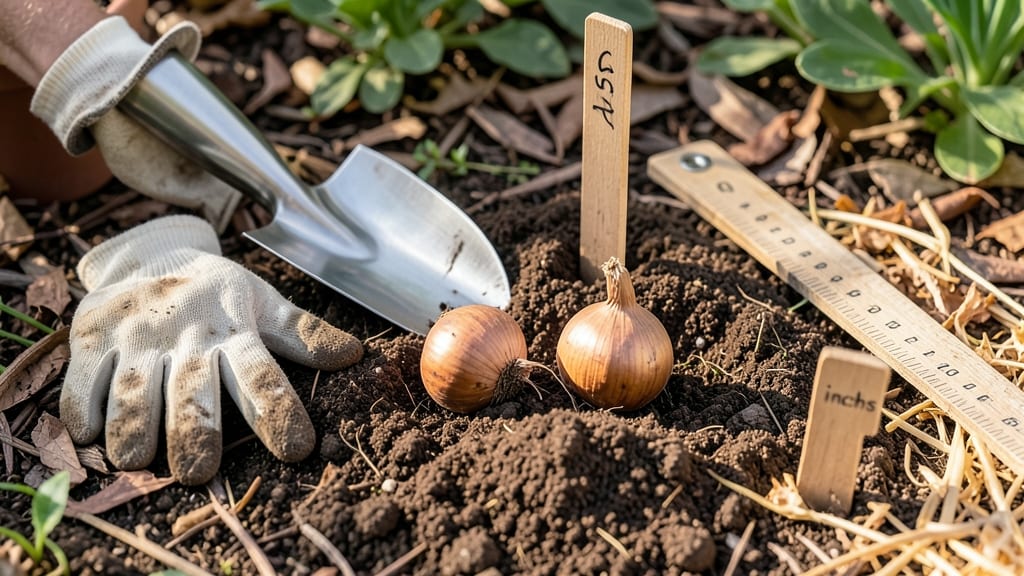
Planting daffodil bulbs at the perfect fall moment means the difference between a spring garden bursting with color and a missed opportunity. If you're in USDA Zone 6a—like many gardeners in the Midwest—your window to plant these cheerful 🌼 bloomers is narrow but critical.
Most gardeners assume "fall" means anytime between September and December, but timing matters more than you think. The 6-week rule before your first frost is your golden guideline—plant too early, and the bulbs may sprout; too late, and they won’t root before winter sets in.
In this guide, I’ll break down the exact October-November timeline for Zone 6a, plus how to prep your soil and bulbs for winter. Whether you’re a first-timer or a seasoned gardener, these tips will help you avoid common mistakes and ensure your daffodils emerge strong next spring.
Ready to transform your yard into a springtime showstopper? Let’s get those bulbs in the ground at the perfect moment—because patience now pays off in vibrant blooms later.
Optimal fall planting dates for daffodil bulbs by USDA Zone
Planting daffodil bulbs at the right time in fall ensures they establish strong roots before winter dormancy. The key is to plant 4-6 weeks before the ground freezes, allowing roots to grow but preventing top growth before frost.
This timing varies dramatically by USDA zone, with cooler northern zones needing earlier planting than warmer southern areas.
For example, gardeners in Zone 3 (like Minnesota or Maine) should plant by early October, while those in Zone 10 (like Southern California) can wait until December. The goal is to give bulbs time to root in 50-60°F soil—ideal for daffodil bulb growth—before temperatures drop below freezing.
Here’s how to align your planting schedule with your zone for maximum spring bloom success:
If you’re unsure about your last frost date, check local weather averages or use a USDA Plant Hardiness Zone Map. For example, in Zone 6a (like Chicago), aim for planting by October 15th to ensure roots establish before ground freezes around November 15th.
In Zone 8b (like Atlanta), you have flexibility until November 30th.
Pro tip: Use a soil thermometer to confirm soil temps are between 50-60°F. If temps drop below 40°F, bulbs may not root properly. In warmer zones (9-10), wait until November to avoid summer heat stress on newly planted bulbs.
For container gardening, follow the same zone guidelines but plant bulbs in pots with well-draining mix. Move containers to a protected location (like a garage) if frost threatens before roots establish.
Remember, daffodil bulbs are hardy perennials—once planted correctly, they’ll return year after year. The first year’s blooms may be modest, but subsequent years deliver show-stopping displays if planted at the right time.
🌼
Critical factors that determine perfect planting timing
Planting daffodil bulbs at the right time in fall isn't just about picking a month—it's about understanding soil temperature, frost dates, and bulb hardiness. These three factors work together to create the ideal window where roots establish before winter dormancy.
If you plant too early, bulbs may sprout and get damaged by frost. Too late, and they won't root deeply enough to survive winter.
First, focus on soil temperature. Daffodil bulbs need the ground to be below 60°F (15°C) but not yet frozen. This usually happens in late September through November, depending on your USDA zone.
Use a soil thermometer to check—plant when temps consistently stay between 50-60°F (10-15°C) during the day. Cooler soils prevent premature sprouting.
Next, consider your first frost date. Aim to plant daffodils 4-6 weeks before the ground freezes solid. This gives roots time to anchor before winter. Check your local USDA zone frost chart—for example, Zone 5 gardeners should plant by mid-October, while Zone 8 gardeners have until early December.
Early falls? Plant sooner. Late falls? Wait until November.
Don't overlook bulb hardiness. Most daffodils thrive in USDA Zones 3-8, but varieties like 'Ice Follies' or 'Tête-à-Tête' handle colder climates better. If you're in Zone 9 or 10, plant in November-December to avoid winter rains that can rot bulbs.
For colder zones (3-4), focus on early September planting to beat early frosts.
Here’s a pro tip: Watch for fall asters or mums blooming—a classic sign it’s time to plant. These perennials bloom when soil temps drop, mirroring the ideal window for daffodils. Pair this with a moon planting calendar for root growth phases (plant during a waxing moon for stronger roots).
Finally, adjust for local microclimates. A north-facing slope stays cooler longer, while a south-facing bed warms up faster. If your yard has poor drainage, plant on a mound or raise beds to prevent bulb rot.
Mulch with 3-4 inches of straw after planting to insulate roots and retain moisture.
By aligning these factors—soil temp, frost dates, bulb type, and microclimate—you’ll nail the perfect planting window for vibrant spring blooms that outshine the competition. 🌼
- 🌡️ Soil Temp: Plant when soil is 50-60°F (10-15°C)—use a thermometer to confirm.
- ❄️ Frost Window: Aim for 4-6 weeks before the ground freezes solid.
- 🌱 Bulb Hardiness: Zones 3-4? Plant early (Sept-Oct). Zones 9-10? Wait until Nov-Dec.
- 🌿 Local Cues: Plant when fall asters bloom or use a moon planting guide.
- 📏 Microclimate: South-facing beds = earlier planting; north-facing = delay until soil cools.
One last thing: If you’re unsure about your frost date, err on the side of planting later. Bulbs can wait in cool, dry storage until conditions are perfect, but they cannot recover if roots freeze before establishing.
For extra peace of mind, plant test bulbs in a small patch first—if they sprout too early, you’ll know to adjust next year.
Now that you’ve got the timing down, let’s tackle the biggest mistakes that turn hopeful gardeners into disappointed daffodil dodgers. Stay tuned for our next section! ✂️