
Plants
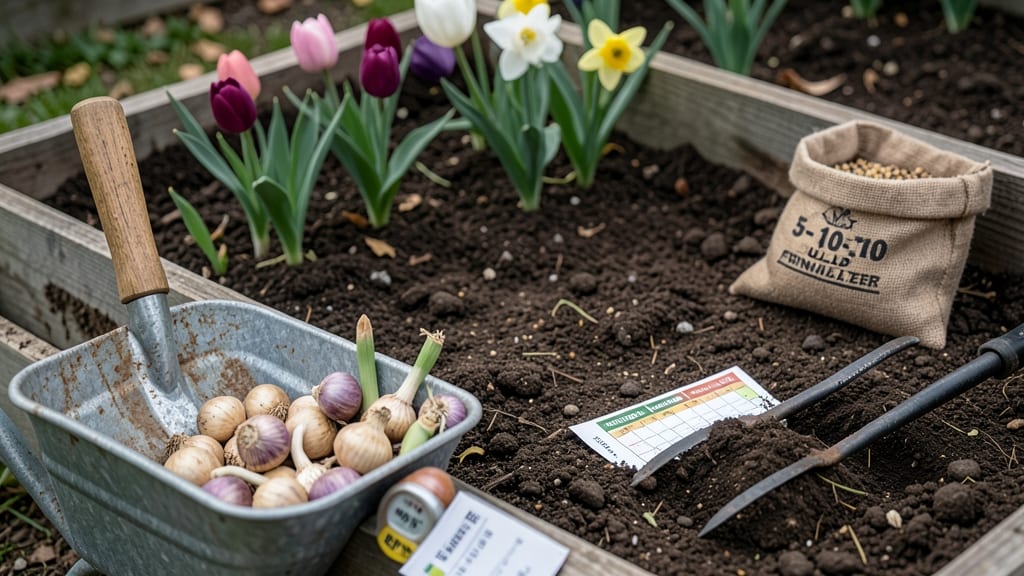
Planting your 🌷 bulbs (General, e.g., Tulips, Daffodils, Hyacinths) at the wrong time in Zone 5b could mean the difference between a stunning spring garden and a sad, frost-killed disappointment.
The secret to success lies in understanding when to plant—most gardeners in this zone swear by fall planting, but timing is everything.
In Zone 5b (think Northern Midwest or Northeast US), the ideal window opens 6-8 weeks before the first frost, usually between mid-September and early October. But don’t worry if you miss that—early spring planting works too, just after the last frost in April or May.
The key is getting those bulbs in the ground when the soil is cool but workable.
Why does timing matter so much? Bulbs need time to establish roots before winter sets in. Plant too late, and frost will damage them; too early, and they might sprout before winter’s chill.
I’ll show you exactly how to nail those planting weeks, plus which bulbs thrive best in this tricky climate.
Whether you’re a seasoned gardener or just starting, these tips will help you avoid common mistakes and get the most vibrant blooms possible. Let’s make sure your garden bursts with color next spring!

Zone 5B bulb planting calendar: exact weeks before first frost
In Zone 5B, where winters can be harsh and frosts arrive early, timing your bulb planting is everything. The key is planting 6-8 weeks before the first hard frost, typically between mid-September and late October.
This window ensures bulbs establish roots before the ground freezes, so they bloom beautifully next spring.
Most gardeners in Zone 5B focus on fall-planted bulbs like tulips, daffodils, and crocuses, but summer bulbs (such as dahlias and cannas) also thrive with the right timing. Understanding your last frost date (usually mid-April) helps you plan when to plant spring bulbs, too.
Here’s a breakdown of the best planting times for different bulb types in Zone 5B, including exact weeks before frost for maximum success.
| Bulb Type | Planting Window (Zone 5B) | Weeks Before First Frost | Notes |
|---|---|---|---|
| Spring-Flowering Bulbs (Tulips, Daffodils, Hyacinths) | Mid-September to Mid-October | 6-8 weeks | Plant in well-draining soil; deeper for clay soils. |
| Fall-Planted Bulbs (Crocus, Snowdrops, Allium) | Late September to Early November | 4-8 weeks | Hardier varieties; can handle later planting. |
| Summer Bulbs (Dahlias, Cannas, Gladiolus) | Early May to Mid-June (after last frost) | N/A (spring planting) | Wait until soil warms to 60°F+; mulch to retain heat. |
| Spring-Planted Bulbs (Caladiums, Begonias) | Late April to Early May | N/A (post-frost) | Plant after danger of frost has passed; keep soil moist. |
For spring-flowering bulbs, aim to plant between September 15 and October 15 in most of Zone 5B. This timing gives bulbs enough time to root before the ground freezes, ensuring vibrant blooms by April or May.
If you’re in a colder microclimate within the zone, like northern Michigan or upstate New York, plant earlier—late August to mid-September—to avoid frost damage.
If you miss the fall window, don’t worry! You can still plant spring bulbs in early spring, typically after the last frost date (usually mid-April). However, bulbs planted in spring may bloom later or produce fewer flowers compared to their fall-planted counterparts.
Pro tip: Use a soil thermometer to check if the ground is cool enough for planting. Ideal soil temperatures for fall bulbs range between 40°F and 60°F. If the soil is still warm, wait a few weeks to avoid encouraging early growth that frost can damage.
Mulching after planting helps insulate bulbs from freeze-thaw cycles, which can be just as damaging as a deep frost. Use 2-3 inches of straw or shredded leaves once the ground freezes to protect your investment until spring.
Zone 5B gardeners often ask about late bloomers like alliums or late-tulip varieties.
These can handle slightly later planting—up to early November—but avoid planting after the ground freezes solid. Snowdrops and crocuses, on the other hand, are early bloomers and can even handle planting in late fall or early winter if the ground isn’t frozen.
Remember, the goal is to give your bulbs a 6-8 week head start before the first hard frost. With this timeline, you’ll enjoy a garden bursting with color from early spring through summer—without the heartache of frost-killed blooms! 🌷
How to adjust planting times for early/frost-prone Zone 5B areas
Zone 5B’s unpredictable frost dates can throw off even the best-laid bulb planting plans. If you live in a colder microclimate—like the Upper Midwest or northern New England—you’ll need to adjust your timing to protect those frost-sensitive bulbs.
The key is watching for soil temperature drops below 50°F (10°C), which signals it’s time to plant.
For gardeners in early-frost areas, aim to plant 8-10 weeks before your average first frost date. Check your local USDA frost calendar—some Zone 5B spots freeze as early as October 1st, while others hold off until November 1st.
If your soil stays workable later, you might extend planting into early November for hardy bulbs like crocus or snowdrops.
🚨 CALLOUT WARNING 🚨
Planting after soil freezes (even slightly) can kill bulbs. Use a soil thermometer to confirm temps are above 50°F (10°C) before digging. If frost hits, mulch heavily with straw or leaves to insulate bulbs.
Not all bulbs are created equal when it comes to frost tolerance. Daffodils and alliums handle cold better than tulips or hyacinths, so prioritize those if your frost arrives early. For tender bulbs like dahlias, wait until after the last frost in spring (usually mid-May) and plant them in well-draining containers for extra protection.
Another trick? Pre-chill bulbs for 4-6 weeks in your fridge before planting in fall. This mimics winter conditions and helps bulbs establish roots faster. Store them in a paper bag (not plastic) in the crispier drawer at 35-40°F (2-4°C) for best results.
If you’re still unsure about frost dates, layer mulch after planting. Start with 2 inches of compost, then add 4-6 inches of straw once temps drop below 40°F (4°C). This extra insulation can buy you 2-3 weeks of frost protection for early-planted bulbs.
Remember: Spring planting is your backup plan. If fall planting slips past your frost date, wait until after the last frost (usually mid-April) and plant bulbs shallower (4-6 inches deep) to encourage faster root growth. Just be ready for smaller blooms the first year.