
Plants
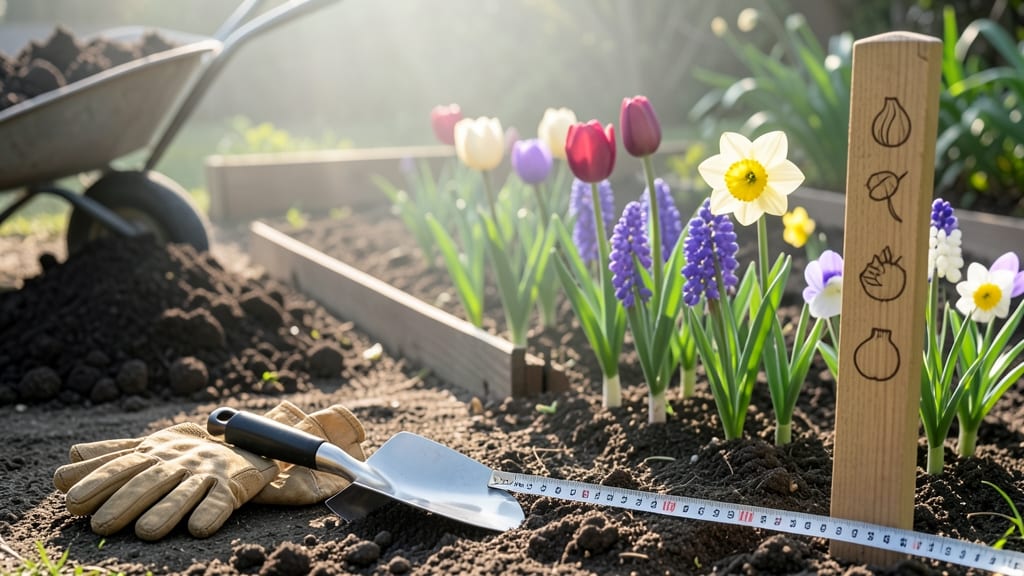
Knowing when to plant bulbs in Michigan in spring can mean the difference between a garden bursting with color and a missed opportunity. Michigan's Zone 5b-6b climate brings unpredictable frost dates, making timing critical for 🌷 spring-planted bulbs like tulips and daffodils.
Most gardeners assume spring planting is straightforward, but Michigan's variable weather—especially in the Upper Peninsula—demands precision. Planting too early risks frost damage, while waiting too long may delay blooms until summer heat arrives.
The ideal window is April to early May, but your exact deadline depends on your last frost date.
In this guide, I’ll break down the exact frost-free deadlines for your zone, plus how to adjust for regional differences. You’ll also learn how to extend your planting window with simple mulching techniques and soil prep tips tailored to Michigan’s climate.
Whether you’re a first-time gardener or a seasoned pro, these insights will help you time your plantings perfectly for vibrant blooms all season long.
Michigan spring bulb planting deadlines by Zone 5-6 variety
Michigan’s Zone 5-6 climate demands precision when planting spring bulbs. Unlike fall planting, spring bulbs like tulips and hyacinths need to establish roots before soil warms—typically 4-6 weeks before the last frost date.
In most of Michigan, this window opens around mid-April to early May, but Northern Michigan’s colder microclimates may delay planting by 1-2 weeks.
Southern Michigan gardeners (e.g., Detroit, Kalamazoo) often see earlier last frost dates (around April 15), while Northern regions (e.g., Traverse City, Marquette) may wait until May 1. Always check your local USDA Plant Hardiness Zone map for exact adjustments.
Soil temperature is your best indicator: Aim to plant when soil reaches 50°F (10°C) at a 4-inch depth. Use a soil thermometer to verify—cold soil stunts root growth, while warm soil risks premature sprouting before frost-free conditions.
Here’s your zone-specific planting timeline for popular spring bulbs, including frost risks and ideal soil conditions:
| Bulb Type | Zone 5 Planting Window | Zone 6 Planting Window | Soil Temp Threshold | Frost Risk |
|---|---|---|---|---|
| Tulips | April 20–May 5 | April 10–April 25 | 50–55°F (10–13°C) | High (late frosts common) |
| Daffodils | April 15–May 1 | April 5–April 20 | 45–50°F (7–10°C) | Moderate (hardier than tulips) |
| Hyacinths | April 25–May 10 | April 15–April 30 | 55–60°F (13–16°C) | Low (needs warmth to bloom) |
| Alliums | April 10–April 25 | March 30–April 15 | 40–45°F (4–7°C) | Very Low (frost-resistant) |
🌱 Pro Tip: Plant daffodils and alliums first—they tolerate cooler soils and late frosts better than tulips or hyacinths.
Late planting (after May 10) reduces bloom quality, as bulbs struggle to establish roots before summer heat. For Northern Michigan, prioritize hardy varieties like ‘Ice Follies’ daffodils or ‘Darwin Hybrid’ tulips, which handle cooler soils better.
If you miss the spring window, don’t despair—fall planting (September–October) is still your best bet for next year’s blooms. But for this spring, focus on soil prep: Amend clay soils with compost to improve drainage, and avoid planting in soggy ground, which causes rot.
Use mulch (2–3 inches of straw or shredded leaves) after planting to insulate bulbs from temperature swings. This is especially critical in Southern Michigan, where daytime warmth can trick bulbs into sprouting too early.
For container gardening, plant bulbs in pots by April 1 and keep them in a cool garage or basement until soil warms. Move containers outdoors only after nighttime temps stay above 40°F (4°C) for 5+ days.
Track your local frost dates using the National Weather Service or Michigan State University Extension tools. In Zone 5b, add 10–14 days to the average last frost date to account for late-season cold snaps.
Remember: Spring-planted bulbs may not bloom as vigorously as fall-planted ones, but with the right timing, you’ll still get stunning color—just plan for smaller flowers in the first year. The key is patience and preparation.
5 Signs your Michigan garden is ready for spring bulbs
Spring bulb planting in Michigan isn’t just about dates—it’s about reading your garden’s cues. Cold soil, lingering frost, or premature sprouting can all sabotage your blooms.
Here are the 5 key signs your Michigan garden is truly ready for spring bulbs, so you avoid common pitfalls like frost damage or stunted growth.
First, check the soil temperature. Use a soil thermometer—ideal temps are 50-60°F at 4-inch depth. If it’s colder, wait. Michigan’s Zone 5-6 climate means early April can still bring frost, even if daytime temps feel warm. Daffodils are more frost-tolerant, but tulips need consistent warmth to thrive.
Next, monitor your local frost forecast. The National Weather Service’s last frost date for most of Michigan is April 15-30, but the Upper Peninsula can lag by 1-2 weeks.
Planting 4-6 weeks before this date gives bulbs time to root before shoots emerge. Hyacinths and alliums are slightly more flexible, but tulips need precision.
Look for consistent daytime highs above 50°F for at least 5-7 days. This signals stable conditions for root growth.
In Southern Michigan, this often aligns with mid-April, while Northern regions may need to wait until early May. Planting too soon risks bulbs rotting in cold, wet soil—a common mistake in Michigan’s variable spring weather.
🌱 **Visual