
Plants
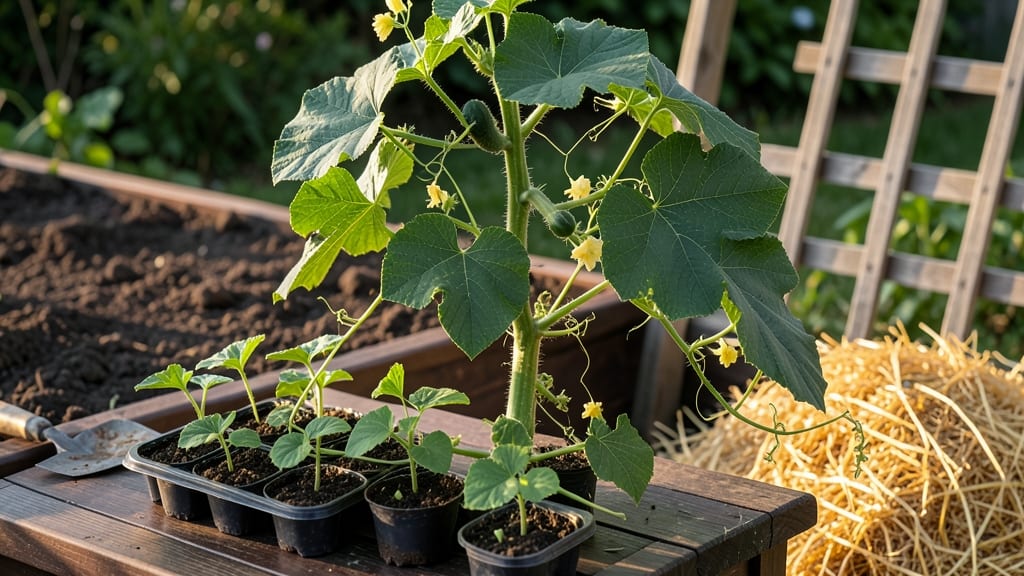
If you've ever planted cucumbers 🥒 in North Texas only to watch them wilt in the heat or struggle through late frosts, you're not alone.
The key to a thriving harvest lies in knowing exactly when to plant cucumbers—and it's not as simple as throwing seeds in the dirt when the weather feels warm.
In Zone 8a/8b, where last frosts linger around mid-April and summer heat arrives by June, timing is everything. Plant too early, and frost will zap your seedlings; too late, and the relentless sun will stunt growth before you even get a taste of those crisp, homegrown slices.
The sweet spot? Two strategic windows—spring and summer—that align with soil temperatures and regional microclimates.
I've spent years perfecting this in my own North Texas garden, and what I'm about to share will help you avoid common pitfalls like powdery mildew or wasted seeds.
Whether you're a first-time gardener or a seasoned pro, these frost-free planting dates and heat-beating tips will set you up for a harvest that lasts from June through October.
Let's dive into the exact calendar you need to maximize your cucumber 🥒 yield—no guesswork, just proven results for our unique Texas climate.
North Texas cucumber planting calendar: frost-free dates and ideal windows
North Texas gardeners face a unique challenge: short but intense growing seasons where cucumbers must thrive between frost risks in spring and blistering summer heat. The key to success lies in understanding Zone 8a/8b frost dates and soil temperature thresholds.
Cucumbers demand warm soil (60°F+) and consistent warmth—plant too early, and frost will kill tender seedlings; too late, and summer's heat will stress plants before harvest.
For Zone 8a (northern North Texas, like Dallas), the average last frost date falls between March 15–April 1, while Zone 8b (southern areas like San Antonio) sees frost depart by March 1–March 15.
These dates mark the start of your primary planting window, but soil temperature is the real decider. Use a soil thermometer—wait until readings hit 60°F for 3+ consecutive days before planting.
| Planting Window | Zone 8a (Dallas) | Zone 8b (San Antonio) | Soil Temp Threshold |
|---|---|---|---|
| Spring Planting | April 15–May 15 | March 20–April 30 | 60°F+ |
| Summer Succession | June 1–July 15 | May 15–June 30 | 65°F+ |
| Harvest Window | June–October | May–September | N/A |
🌱 Pro Tip: Use black plastic mulch to warm soil faster—raise temps by 5–10°F and extend your planting window by 2–3 weeks.
Your primary planting window in North Texas runs from mid-April to mid-May for Zone 8a and late March to late April for Zone 8b. This aligns with soil warming trends and avoids late-spring frost risks.
For bush varieties (like ‘Bush Champion’), you can plant slightly earlier, but vining types (e.g., ‘Straight Eight’) need the extra warmth to establish strong roots.
Don’t stop there—succession planting is your secret weapon for a longer harvest. After your initial spring crop, sow a second batch in early June to capitalize on summer rainfall and longer daylight hours. This second window works best in Zone 8b, where summer heat arrives later.
In Zone 8a, focus on heat-tolerant varieties like ‘Marketmore 76’ or ‘Sweet Success’ to push harvests into late August or September.
Regional variations matter: Hill Country areas (e.g., Fredericksburg) have cooler nights and may need row covers for early plantings, while East Texas (e.g., Tyler) can plant 1–2 weeks earlier thanks to milder winters. Always check your local AgriLife Extension office for hyper-local frost data—even a 5-mile difference can shift planting dates by a week.
Timing isn’t just about dates—it’s about soil prep. Cucumbers thrive in well-draining, slightly acidic soil (pH 6.0–6.8). Before planting, amend your beds with compost or aged manure to boost fertility. Avoid fresh manure—it can burn tender roots.
If your soil feels cold or compacted, plant in raised beds or hill soil to improve warmth and drainage. These tweaks help cucumbers establish faster and resist disease in North Texas’ humid summers.
Heat stress is your biggest enemy after frost. By mid-July, temperatures often exceed 95°F, causing cucumbers to bolt (flower prematurely) or develop bitter fruit. To combat this, mulch heavily with straw or wood chips to retain moisture and cool roots. Pair this with drip irrigation—watering at the base of plants in the early morning prevents fungal issues like powdery mildew, which thrives in Texas humidity.
Plan for two harvest peaks: Your spring crop will yield from June to early August, while summer plantings produce from August to October. Staggered plantings ensure you’re never without fresh cucumbers—just don’t let vines sprawl. Trellis your plants to improve airflow, reduce disease, and make harvesting easier.
A 5–6 ft trellis works well for most varieties, keeping fruit off the hot, disease-prone soil.
🌿 Remember, North Texas cucumbers need consistency—whether it’s warm soil, regular water, or shade during peak heat. Master these windows, and you’ll enjoy crisp, homegrown cucumbers from June through October, beating the heat while others struggle.
Now grab your soil thermometer—spring’s the perfect time to start! 🌱
North Texas cucumber planting calendar: frost-free dates and ideal windows
North Texas gardeners face a tricky balance when planting cucumbers 🥒: the last frost dates (typically April 15–May 1 in Zone 8a/8b) and the scorching summer heat that arrives by June. The solution? Two strategic planting windows—spring and late summer—that align with soil temperatures and regional microclimates.
For spring planting, aim for mid-March to early April in warmer microclimates (like East Texas) or late April in cooler areas (like the Hill Country). Soil must reach 60°F+ for seeds to germinate properly. Use black plastic mulch to warm the soil faster if needed.
| Planting Window | Soil Temp | Last Frost Risk | Harvest Window |
| Spring (Mid-March–Early April) | 60°F+ | Low (post-April 15) | June–July |
| Late Summer (Late July) | 60°F+ | None | September–October |
The late summer window (late July) is perfect for heat-tolerant varieties like ‘Straight Eight’ or ‘Lemon Cucumber,’ which thrive when daytime highs hit 90°F+. This second planting ensures a harvest just before first frost (mid-November), giving you fresh cucumbers when summer produce starts to fade.
For succession planting, sow seeds every 2–3 weeks between mid-March and late July. This staggered approach prevents a glut of cucumbers at once and extends your harvest. Just remember: avoid planting near tomatoes—they share diseases like blight and powdery mildew.
Pro tip: Use row covers for early spring plantings to shield seedlings from unexpected late frosts. Remove them once plants are established (around 2–3 weeks post-germination) to avoid overheating. In my garden, this trick adds 2–3 extra weeks to the spring growing season.
Timing isn’t just about dates—it’s about soil prep too. Amend your beds with compost in February to boost fertility, and mulch heavily to retain moisture during Texas’s dry spells. With these strategies, you’ll beat the heat and frost to enjoy homegrown cucumbers 🥒 from June through October.