
Plants
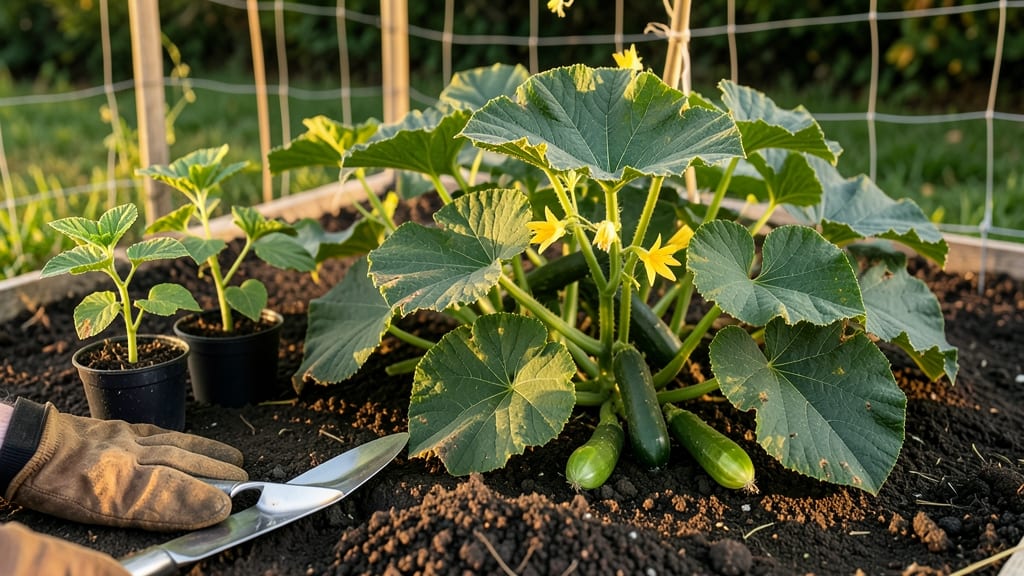
Knowing when to plant cucumbers in Zone 6 can mean the difference between a thriving 🥒 harvest and wasted effort. The wrong timing leaves your plants vulnerable to late frosts, while planting too late might cut your summer yields short—especially when those crisp, homegrown slices are what you’re after.
Zone 6 gardeners face unique challenges: soil that warms slowly after frost, unpredictable spring weather, and a short growing season. But with the right heat-tolerant varieties and precise planting dates, you can maximize your harvest from July through September.
I’ll walk you through the exact steps—from soil temperature checks to frost-free timing—so you can start strong and keep those vines producing all season.
Whether you’re a beginner or a seasoned grower, getting the timing right is the key to avoiding common pitfalls like stunted growth or bitter fruit.
You’ll discover how to adjust for early or late harvests, choose the best varieties for your climate, and even use simple tricks like mulch to give your cucumbers a head start. Let’s make sure your garden delivers the fresh, flavorful 🥒s you’re craving.
Ready to turn your Zone 6 plot into a cucumber powerhouse? The first step is knowing exactly when to plant—and I’ve got the game-changer details you need to get started right. No more guessing, just a foolproof plan for a bountiful summer.

Best planting dates for cucumbers in Zone 6: frost-free timing and soil temperature guide
In Zone 6, cucumbers thrive when planted after the last frost date—typically between mid-April and early May. However, this window can shift by 1-2 weeks depending on your exact microclimate within the zone.
For example, areas like Chicago often see their last frost around April 15, while Denver might wait until May 1. Always check your local frost forecast and plan accordingly.
Cucumbers are warm-season crops that need soil temperatures of at least 60°F to germinate properly. If you plant too early, seeds may rot or take weeks to sprout.
Using a soil thermometer ($10-$15 at garden centers) is the best way to confirm readiness. Aim for consistent daytime temperatures above 70°F for optimal growth.
Pro Tip: Zone 6 gardeners often use black plastic mulch to warm the soil faster. Lay it down 1-2 weeks before planting to create a microclimate that speeds up germination and extends the growing season by 10-14 days. This is especially useful for early-season plantings in cooler parts of Zone 6.
🌱 Cucumber Planting Timeline for Zone 6
| Stage | Action | Notes |
|---|---|---|
| Late March | Start seeds indoors (optional) | Use grow lights; transplant outdoors after last frost |
| Mid-April | Direct sow after last frost | Soil temp ≥60°F; use row covers for early starts |
| Early May | Transplant seedlings (if started indoors) | Hardy seedlings handle transplant shock better |
| June | Succeeding plantings for extended harvest | Best for bush varieties in containers |
| July-Sept | Harvest consistently | Pick every 2-3 days to prevent bitterness |
For continuous harvests, consider making succeeding plantings every 2-3 weeks through early June. This staggered approach ensures you have fresh cucumbers from July through September.
Bush varieties like 'Bush Champion' are ideal for container gardening and late-season plantings, as they mature faster (50 days) than vining types.
If you're in the cooler microclimates of Zone 6a (e.g., Pittsburgh or Buffalo), opt for early-maturing varieties (e.g., 'Early Girl' or 'Sweet Success') that can be harvested before first frost in mid-October.
These varieties take just 45-50 days to maturity, giving you a head start on the season.
Another key factor is day length. Cucumbers thrive with 14+ hours of daylight, which Zone 6 typically achieves by early June. Planting too early (before late May) can result in slow growth and poor fruiting due to shorter days.
Use a sun calculator to track daylight hours in your area for precise timing.
For urban gardeners with limited space, container growing is a great option. Choose 5-gallon pots or larger and plant after the last frost. Just ensure pots have drainage holes and use a lightweight potting mix to prevent root stress.
Water containers daily during heatwaves, as they dry out faster than in-ground beds.
Finally, keep an eye on weather forecasts in the days leading up to planting. If a late frost is predicted, delay planting by 1-2 weeks or use frost blankets to protect young seedlings.
In my experience, Zone 6's unpredictable spring weather is the biggest challenge—always have a backup plan for your cucumber patch!
Best planting dates for cucumbers in Zone 6: frost-free timing and soil temperature guide
In Zone 6, cucumbers thrive when planted after the last frost date, typically between mid-April and early May. But timing isn’t just about dates—soil temperature matters just as much.
Cucumbers need soil that’s at least 60°F to sprout properly, and cooler soil can stunt growth or even kill seedlings. I’ve learned the hard way that rushing planting because the calendar says "spring" doesn’t guarantee success—your plants need warmth to thrive.
Check your local frost forecast and use a soil thermometer to confirm readiness. Most Zone 6 gardeners aim for 2-3 weeks after the last frost to give the soil time to warm up naturally.
For example, if your last frost hits April 15, wait until May 1-5 to plant. This buffer ensures your cucumbers get the full sun and warmth they crave from the start.
| Planting Stage | Zone 6 Timing | Key Requirements |
|---|---|---|
| Soil Warm-Up | 2-3 weeks after last frost | Soil ≥60°F, no frost risk |
| Direct Sowing | Mid-April to early May | Full sun, 6-8 hours daily |
| Transplanting | Late April to early June | Hardened-off seedlings, mulch |
| Late-Season Extension | Early June (with row covers) | Protect from early frosts |
For a continuous harvest, consider planting in two batches: one in early May and another in early June. This staggered approach ensures you have cucumbers ready to pick from July through September, even as summer heat peaks.
I’ve found that bush varieties (like 'Bush Champion') mature faster, so they’re ideal for early plantings, while vining types (like 'Straight Eight') can handle the heat better for late-season success.
If you’re using row covers or cold frames, you can plant as early as late March, but only if you’re prepared to remove covers once soil warms. These tools buy you extra time but require monitoring—cucumbers can overheat if trapped under plastic on hot days.
I recommend using black plastic mulch to warm the soil faster and suppress weeds, which gives your plants a head start in cooler springs.
Don’t forget to account for your microclimate. Gardens in valleys or near large bodies of water may stay cooler longer, while south-facing slopes warm up faster. Observe your garden’s patterns over a few years to fine-tune your planting schedule.
For example, if your soil typically hits 60°F by May 10, adjust your dates accordingly—every degree counts when it comes to cucumber success.
Finally, keep an eye on weather forecasts in the days leading up to planting. A sudden cold snap can derail your plans, so have row covers or a greenhouse ready as backup.
With the right timing and a little preparation, your Zone 6 garden can deliver a steady supply of crisp, homegrown cucumbers all summer long.