
Planting
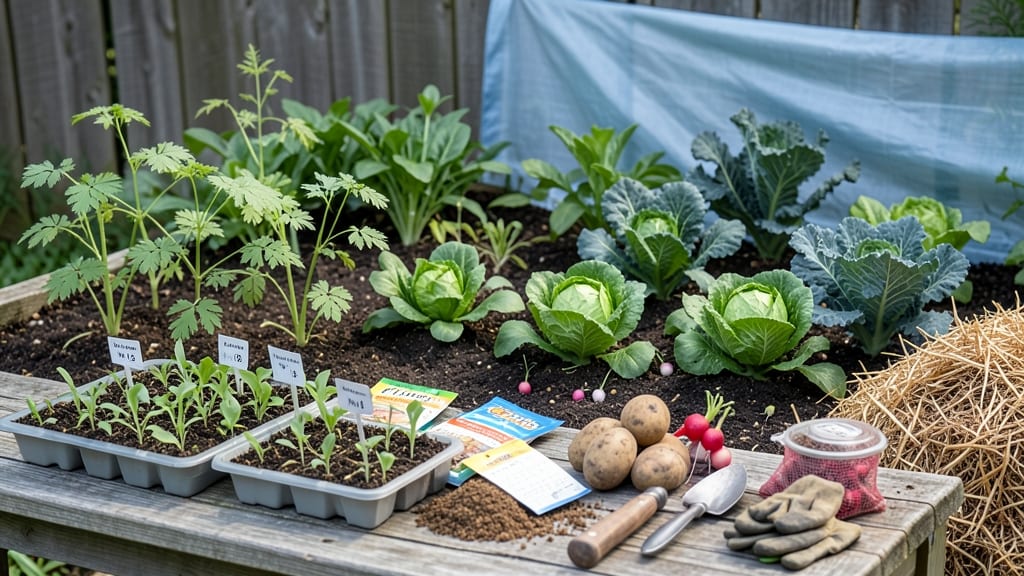
Knowing when to plant a garden in North Dakota isn’t just about following a calendar—it’s about outsmarting the state’s unpredictable frost dates and short growing season.
With USDA zones 3b-4b, you’ve got roughly 120-140 frost-free days to work with, and planting too early or late can mean the difference between a thriving harvest and wasted seeds.
I’ve spent years growing 🌱 General Garden Vegetables in North Dakota, and the key to success is timing. Whether you’re sowing cold-hardy greens in early May or waiting for soil to warm up for tomatoes, getting it right ensures faster germination and bigger yields.
Let me walk you through the exact windows you need to know—plus how to stretch your season for even more harvests.
Most gardeners in North Dakota wait until mid-May to early June, after the last frost (usually around May 10-20). But what if you want to start earlier? Or which crops actually germinate fast enough to beat the clock?
I’ll break down the best strategies for your zone, so you can plant with confidence and avoid common mistakes.
By the end, you’ll know not just when to plant, but how to maximize every frost-free day for a garden that grows faster and produces more. Ready to turn your North Dakota plot into a high-yielding success? Let’s get started.
North Dakota planting dates by USDA Zone: frost-free timing for vegetables, flowers, and herbs
North Dakota spans USDA Zones 3b to 4b, where a single late frost can wipe out weeks of hard work. The key to a thriving garden is knowing your last average frost date—typically between May 10-20—and adjusting for your specific zone.
In Zone 3b (northern ND), wait until mid-May for warm-season crops, while Zone 4b (southern ND) can start slightly earlier in late April for hardy greens.
Cool-season crops like spinach, peas, and lettuce are your best bet for early planting. These can handle light frosts and often tolerate soil temperatures as low as 35°F.
For warm-season favorites like tomatoes, peppers, and cucumbers, wait until the soil reaches at least 50°F—usually after Memorial Day—to ensure fast germination and strong growth.
Microclimates play a huge role in North Dakota. Urban areas with concrete and pavement warm up faster than rural fields, while low-lying spots near lakes or rivers may stay colder longer.
If you’re unsure about your exact frost date, use a frost calendar from your local NDSU Extension office or track nighttime temperatures for 3 consecutive days above 40°F before planting.
| USDA Zone | Last Frost Date | Plant Cool-Season Crops | Plant Warm-Season Crops | Soil Temp Requirement |
|---|---|---|---|---|
| Zone 3b (Grand Forks, Minot) | May 15-20 | April 15-May 1 | May 20-June 5 | 50°F+ |
| Zone 4a (Bismarck, Dickinson) | May 10-15 | April 1-May 10 | May 15-May 30 | 50°F+ |
| Zone 4b (Fargo, Jamestown) | May 5-10 | March 30-April 15 | May 1-May 15 | 50°F+ |
🌱 Pro Tip: Use row covers to plant 2-3 weeks earlier for warm-season crops in Zone 3b.
For herbs like cilantro and parsley, you can start seeds indoors in early April and transplant outdoors after the last frost. These herbs thrive in cooler temperatures and can even tolerate light frosts.
Meanwhile, heat-loving herbs like basil and oregano should wait until after June 1 to avoid stunted growth or bolting.
North Dakota’s first frost typically arrives between September 15-October 1, giving you a 120-140 day growing season. To maximize your harvest, prioritize fast-maturing varieties (e.g., bush beans, radishes, and lettuce) and use succession planting for crops like carrots and beets to stagger harvests over a longer period.
If you’re planting perennials like asparagus or rhubarb, start them in early spring (April) so they establish roots before summer heat. These crops benefit from 2-3 years of growth before producing edible harvests, so early planting pays off in the long run.
Always check the moisture level of your soil before planting. North Dakota’s clay-heavy soils can stay cold and wet long after the air temperature warms up. Stick your finger 2 inches deep—if it feels cool and damp, wait a few more days.
For container gardening, use a soil thermometer to monitor warmth, as pots heat up faster than ground soil.
Remember, local weather patterns can shift yearly. Keep a gardening journal to track your frost dates, soil temperatures, and plant performance. Over time, you’ll refine your planting schedule to match your specific microclimate—leading to healthier plants and bigger harvests each season. 🌿
How to extend your North Dakota growing season: cold frames, row covers, and succession planting
North Dakota’s short 120-140 frost-free days can feel limiting, but with the right tools, you can push your planting windows by 3-4 weeks earlier or 2-3 weeks later. I’ve used cold frames to grow lettuce in April and row covers to extend broccoli harvests into October.
These tricks turn your garden into a year-round powerhouse—even in Zone 3b.
The key is layering protection. Cold frames (unheated glass boxes) can add 10-15°F of warmth, while floating row covers (lightweight fabric) shield plants from light frosts down to 20°F.
For high-value crops like tomatoes or peppers, a hoop house with plastic sheeting can extend your season by 6-8 weeks—perfect for North Dakota’s unpredictable springs.
- 🌱 Start cold frames in early April for spinach, kale, and radishes—they’ll be ready to harvest by May.
- 🛠️ Use floating row covers over broccoli and cabbage to protect from late frosts (down to 25°F).
- ☀️ Install a hoop house by late April to start tomatoes and peppers indoors, then transplant after last frost.
- 🌿 Succession plant every 2 weeks for bush beans, lettuce, and carrots to ensure continuous harvests.
- ✂️ Avoid overcrowding under covers—plants need airflow to prevent disease.
Succession planting is my secret weapon for non-stop harvests. In North Dakota, where the season is tight, I stagger plantings of fast-growing crops like radishes (25 days) and bush beans (50 days) every 2 weeks from May to July.
For example, sow a batch of arugula on May 1st, 15th, and 30th—you’ll have fresh greens every 3-4 weeks until frost.
Don’t make these common mistakes: Overheating cold frames (ventilate daily!) or skipping soil prep before extending seasons. Amend beds with compost and aged manure in early spring to give plants a nutrient boost. I also mulch heavily with straw to insulate roots and retain moisture—critical in North Dakota’s dry summers.
For late-season crops, row covers are a game-changer. I’ve kept kale and Brussels sprouts producing until mid-October by covering them after September 1st. Just
With these strategies, you’ll turn North Dakota’s challenges into opportunities. Start with one extension method this year—like a cold frame for early greens—and build from there. Your garden will thank you with longer harvests and fewer wasted seeds! 🌿