
Plants
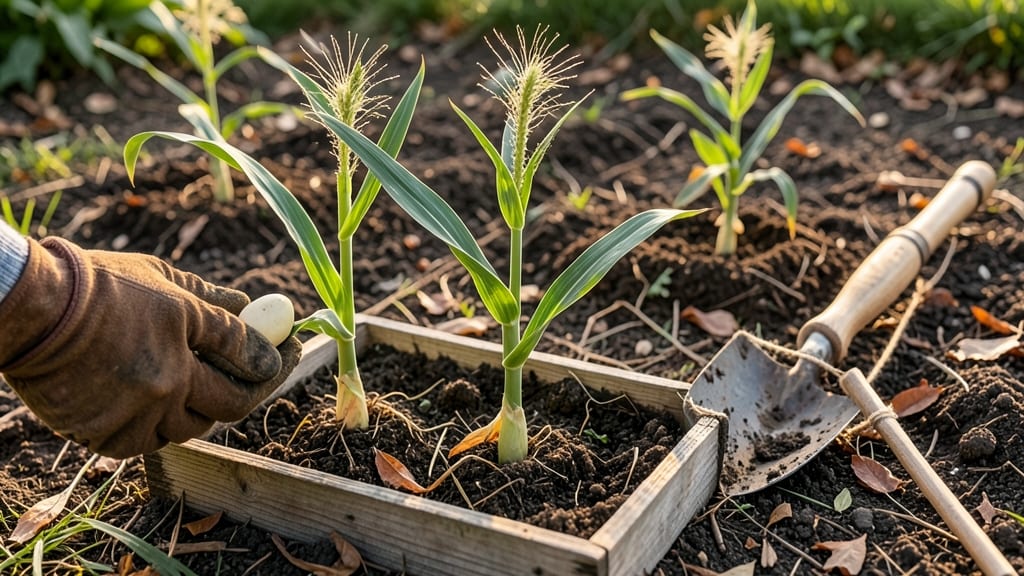
Knowing when to plant corn in East Texas can mean the difference between a thriving crop and wasted effort—especially when you're staring at a seed packet in mid-April wondering if the soil is warm enough.
Corn 🌽 thrives in Zone 8a, but the Deep East's unpredictable spring weather can throw off even the most experienced gardeners.
Here's the secret: timing isn't just about avoiding frost—it's about hitting that 60°F soil temperature sweet spot when days are long but nights stay mild. Plant too early, and your seedlings might bolt in the heat; too late, and you risk stunted growth before harvest season kicks in.
Let me show you exactly how to nail those planting windows for fast germination and strong stands.
East Texas gardeners face unique challenges like late frosts in March and sudden heat waves by June. The key is adjusting your schedule based on your specific microclimate—whether you're in the Piney Woods or closer to the Gulf Coast.
I'll walk you through the exact dates that work best for both spring and summer plantings, plus how to modify your approach when Mother Nature throws curveballs.
What you'll discover in this guide is a foolproof system that accounts for everything from soil prep to variety selection, ensuring your corn gets off to a fast start and stays healthy through the growing season. Let's get those seeds in the ground at the perfect moment!
Optimal planting dates for corn in East Texas by soil temperature and variety
In East Texas, planting corn at the right time means waiting for soil temperatures to reach 50°F or warmer—cold soil slows germination and invites rot.
Most gardeners aim for mid-April to early May, but your exact timing depends on corn type and local microclimates like the Deep East or Piney Woods regions.
Sweet corn, the most popular variety, thrives when planted after the average last frost date (March 15) but before late May. Field corn and popcorn varieties can tolerate slightly cooler soils, giving you a 2-week earlier window if you’re patient with slower growth.
Soil thermometers are your best tool—corn seeds need 60°F+ soil for reliable germination. In East Texas, this typically aligns with April 1-15, but watch for late frosts, which can still occur in early April in higher-elevation areas like the Piney Woods.
| Variety | Soil Temp Requirement | Best Planting Window | Germination Time | East Texas Notes |
|---|---|---|---|---|
| Sweet Corn | 60°F+ | Mid-April to early May | 5-10 days | Fastest growth; needs consistent moisture |
| Field Corn | 55°F+ | Late March to mid-April | 7-14 days | Tolerates cooler soils; slower but hardier |
| Popcorn | 58°F+ | Early April to late April | 6-12 days | Drought-tolerant; ideal for Piney Woods |
| All Varieties | N/A | Avoid after June 1 | N/A | Summer heat reduces yield; plant early for best results |
For Deep East Texas (e.g., Beaumont, Port Arthur), where humidity lingers, aim for early April to avoid fungal diseases like corn smut. In the Piney Woods (e.g., Tyler, Longview), cooler nights may delay planting until mid-April, but the slower start can actually benefit popcorn varieties.
Pro tip: Use black plastic mulch to warm soil faster if you’re planting early. Lay it down 1-2 weeks before sowing to create a 5-10°F warmer microclimate for seeds. This trick is especially useful in Zone 8a areas where frost risk lingers.
If you’re growing heirloom or slow-maturing varieties (like Country Gentleman or Golden Bantam), push planting to late March—they’ll need the extra time to reach maturity before East Texas’s first frost (November 15). Just be ready to cover seedlings with frost cloth if temperatures dip below 32°F.
For successive planting, stagger seeds every 2 weeks up to June 1 to extend your harvest window. This works best with short-season varieties like Silver Queen (65 days) or Peaches and Cream (70 days), which can mature before summer’s peak heat.
Remember: In East Texas, soil moisture matters as much as temperature. Plant when you can poke your finger 2 inches deep and feel dryness—this signals it’s time to water before sowing. Overly wet soil in April showers can delay planting by weeks.
🌱
How to adjust planting dates for East Texas weather extremes (drought, heat waves, late frosts)
East Texas weather throws curveballs—one day you're battling late frosts in April, the next you're sweltering through 100°F heat waves by June. These extremes can derail even the best-laid corn planting plans.
The key is flexibility: knowing how to adjust your schedule based on real-time conditions rather than sticking rigidly to calendar dates.
For example, if your soil temperature lingers below 60°F past mid-April, don't panic. Corn seeds won't germinate properly in cold soil, so hold off until your soil thermometer reads consistently warm.
In the Piney Woods region, this might mean delaying planting until late April or even early May—better late than risking poor stands.
Here's where staggered planting becomes your best friend. Instead of planting all your corn at once, space out your seeds in 2-3 week intervals.
This ensures you'll have ears maturing at different times, giving you a longer harvest window and protecting against crop failure if one planting gets hit by extreme heat or drought.
🚨 Watch for These Danger Signs
- Silks turning brown before pollination: Heat stress is stunting growth
- Wilted leaves by midday: Severe drought conditions
- Seedlings emerging then dying: Soil temperatures fluctuated too much
Action: Immediately apply 2-3 inches of mulch and increase watering to 1 inch per week during heat waves. For late frosts, cover young plants with frost blankets or row covers.
When selecting varieties, opt for heat-tolerant hybrids like 'Silver Queen' or 'Peaches and Cream' that perform well in East Texas summers. These varieties can handle temperatures up to 95°F without significant yield loss. For drought-prone areas, consider drought-resistant strains that develop deeper root systems.
Another pro tip: use soil moisture sensors to avoid overwatering during heat waves. Corn needs 1-2 inches of water weekly, but in extreme heat, it's better to water deeply every other day than give shallow, frequent waterings that encourage shallow roots.
Pair this with black plastic mulch to retain soil moisture and warm the soil faster in spring.
Remember that East Texas's humidity levels also play a role. High humidity increases fungal risks, so avoid overhead watering and consider fungicide treatments if you notice leaf spots developing. With these adjustments, you'll turn East Texas's weather challenges into opportunities for stronger, more resilient corn crops.