
Plants
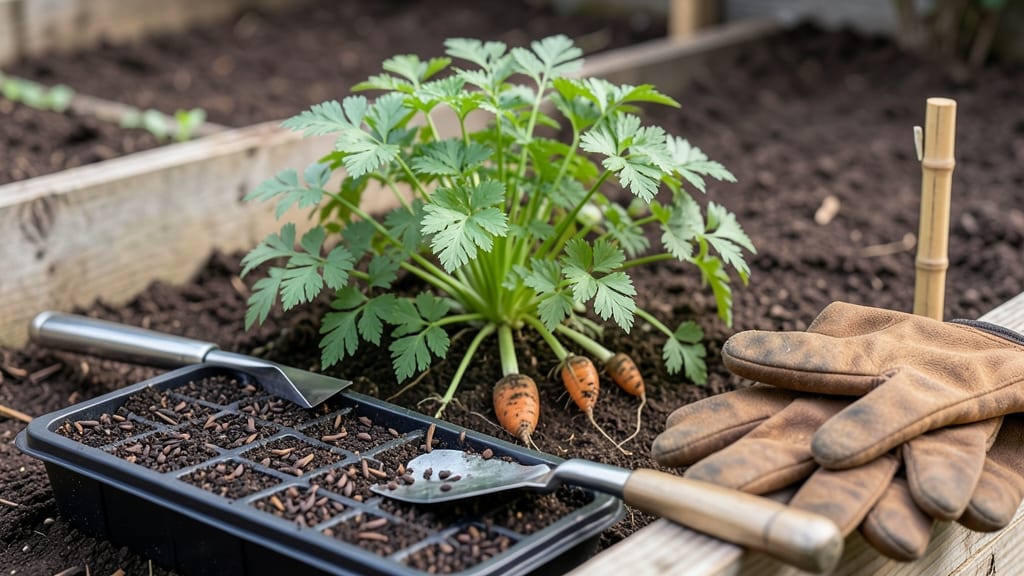
Knowing when to plant carrots in Northern California can turn your garden from a gamble to a guaranteed harvest of sweet, crisp 🥕. The Bay Area’s microclimates—from foggy coastal zones to hot inland valleys—mean your neighbors might be digging up carrots while yours still look like twigs.
Timing matters more than you’d think. Plant too early, and chilly soil sends your seeds into a stubborn hibernation. Too late, and summer heat forces them to bolt before you even get a harvest.
The ideal window? February-March for spring carrots and August-September for fall, but your exact frost dates depend on whether you’re in San Francisco’s chill or Sacramento’s warmth.
I’ve tested these strategies in USDA Zones 8a-9b, and the difference between a 50-day harvest and a 70-day wait comes down to soil temperature, not just the calendar. Let’s break down the exact steps to nail your planting schedule—no more guessing, just homegrown success.
Whether you’re a first-time gardener or a veteran grower, these microclimate-specific tips will help you avoid the three biggest mistakes that ruin carrot crops in Northern California. Ready to dig in?
Northern California carrot planting calendar: frost dates & soil temperature zones
Northern California’s diverse climate—from San Francisco’s chilly coastal fog to Sacramento’s hot inland valleys—means carrot planting windows vary dramatically. The key to success? Paying attention to soil temperatures (aim for 55-85°F) and frost dates, which shift by 10-14 days between coastal and valley regions.
Let’s break it down by microclimate so you can plant with confidence.
Most of Northern California falls within USDA Zones 8a-9b, but the difference between San Francisco’s Zone 9b and Sacramento’s Zone 9a can mean 3-4 weeks of variation in your planting schedule.
Coastal areas like Half Moon Bay experience colder soils later into spring, while inland valleys like Stockton warm up faster. I’ll show you how to adjust your timing accordingly.
Carrots thrive in cool to moderate temperatures, but they won’t germinate below 50°F. In Northern California, this means waiting until mid-February for coastal areas and late January for inland valleys.
Summer planting is trickier—carrots bolt in temperatures above 80°F, so aim for late August to escape the heat.
Here’s your Northern California carrot planting calendar, tailored to three key regions:
| Region | Last Frost Date | First Frost Date | Ideal Planting Window | Soil Temp for Germination |
|---|---|---|---|---|
| San Francisco Coast | February 20 | November 10 | February 15 - March 15 August 15 - September 15 |
55-65°F (wait for soil to warm) |
| Santa Rosa Valley | February 10 | November 5 | February 1 - March 10 August 10 - September 10 |
50-60°F (soil warms faster than coast) |
| Sacramento Valley | January 25 | October 25 | January 20 - February 28 July 20 - August 20 |
50-65°F (earliest planting possible) |
🌱 Pro Tip: Use a soil thermometer to confirm temperatures—coastal soils can stay cold even when air temps rise.
For spring planting, I recommend starting seeds indoors 6-8 weeks before your last frost date if you’re in a cooler microclimate like San Francisco.
Inland areas like Sacramento can plant directly outside as early as January, but use row covers to protect seedlings from unpredictable late frosts. For fall crops, aim to sow seeds 8-10 weeks before your first frost date to ensure harvest before winter sets in.
Northern California’s long growing season (up to 240 frost-free days in inland areas) lets you try succession planting for continuous harvests. After your first planting, sow new seeds every 2-3 weeks until mid-summer.
This works especially well for short-season varieties like ‘Paris Market’ (50 days) or ‘Nantes’ (60 days), which mature quickly enough to avoid summer bolting.
If you’re growing longer varieties like ‘Danvers’ (70 days) or ‘Chantenay’ (75 days), focus on spring and fall plantings only. These need the cooler temperatures to develop properly, and summer heat will cause them to bolt prematurely or develop woody, bitter roots.
I’ve found that shade cloth (30-50%) helps extend the summer window for these varieties in hotter inland areas.
One final tip: Test your soil pH before planting—carrots prefer 6.0-6.8. Northern California soils often lean toward alkaline (7.0+), which can stunt root growth. Amend with compost or peat moss to lower pH if needed.
A simple soil test kit (available at garden centers) will give you the exact adjustments your plot needs.
With these microclimate-specific guidelines, you’ll avoid the common pitfalls of planting too early (risking frost damage) or too late (missing the harvest window).
Next, we’ll dive into how to adjust for coastal fog vs. valley heat—and why your San Francisco garden might need a completely different approach than your Sacramento plot.
How to adjust carrot planting for Northern California’s microclimates: coastal vs valley differences
Northern California’s microclimates create wildly different growing conditions—what works in San Francisco’s fog belt fails in Sacramento’s heat. Coastal areas like Half Moon Bay stay cooler year-round, while inland valleys like Stockton can hit 95°F+ by June.
These differences mean your planting schedule must adapt or risk bolting, stunted growth, or total crop failure.
For coastal regions (USDA Zone 9b), your last frost is often March 15, but chilly soils linger until April 15. Inland valleys (Zone 8a-9a) see their last frost by February 28, but summer heat arrives 2-3 weeks earlier than coastal areas.
This means your fall planting window shifts from August 15 in the Bay Area to July 30 in the Central Valley.
Here’s how to adjust your approach based on your location:
| Region | Last Frost | First Frost | Spring Planting | Fall Planting |
|---|---|---|---|---|
| Coastal (SF, Half Moon Bay) | March 15 | November 1 | April 15 - May 15 | August 15 - September 15 |
| Inland Valleys (Sacramento, Stockton) | February 28 | October 31 | March 1 - April 15 | July 30 - August 30 |
| High Desert Foothills (Folsom, Auburn) | February 15 | October 15 | February 28 - March 31 | July 15 - August 15 |
If you’re in a coastal fog zone, use row covers to warm soil for early spring planting—this can push your window back 2-3 weeks. Inland gardeners should focus on shade cloth during summer to protect seedlings from heat stress.
For succession planting, coastal areas can squeeze in 3-4 plantings per year, while valleys manage 2 plantings due to shorter cool seasons.
Pro tip: Test your soil temperature with a soil thermometer—carrots need 55-85°F to germinate. Coastal soils often run 10°F cooler than inland spots at the same time of year. Adjust your schedule accordingly to avoid the #1 mistake of planting too early in cold soil.
For urban gardeners in San Francisco or Oakland, microclimates vary even within neighborhoods. A block away from the bay can mean 5°F warmer soils. Always scout your specific spot before committing to a planting date—your neighbors’ harvest schedule won’t match yours!
🌱